Enterprise Aerospace
“Using 3D printing saves us about 100 work hours per plane.”


SHARK.AERO case study in numbers
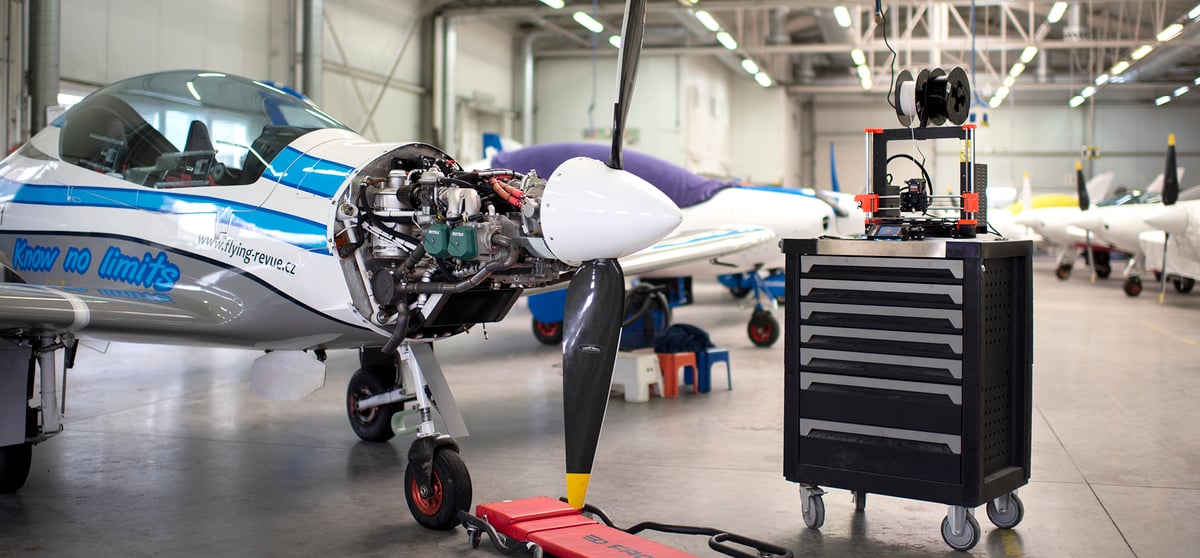
SHARK.AERO is a Czech Slovak manufacturer of the full composite airplane Shark, the fastest ultralight aircraft in the world. Original Prusa printers help produce a vast array of functional parts, prototypes, and molds.
- 100+printed parts per aircraft
- 100 hsaved per aircraft
- +10km/h from gear doors
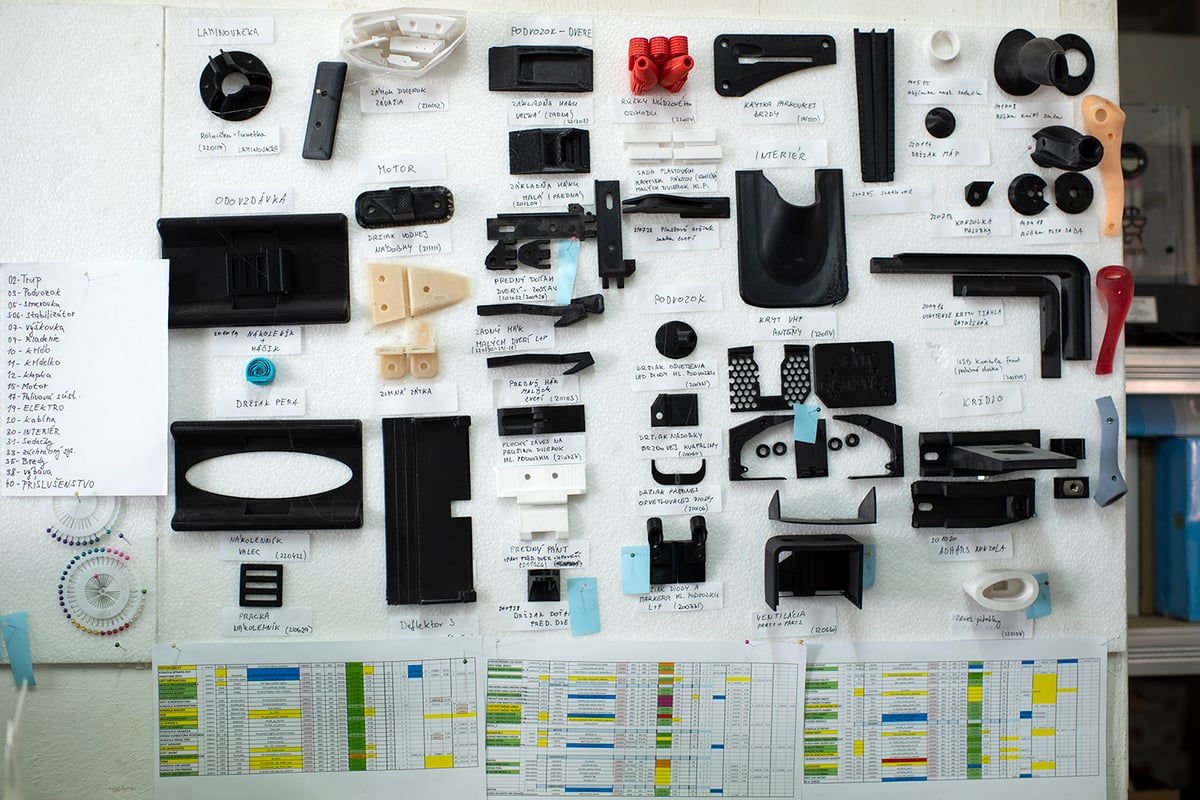
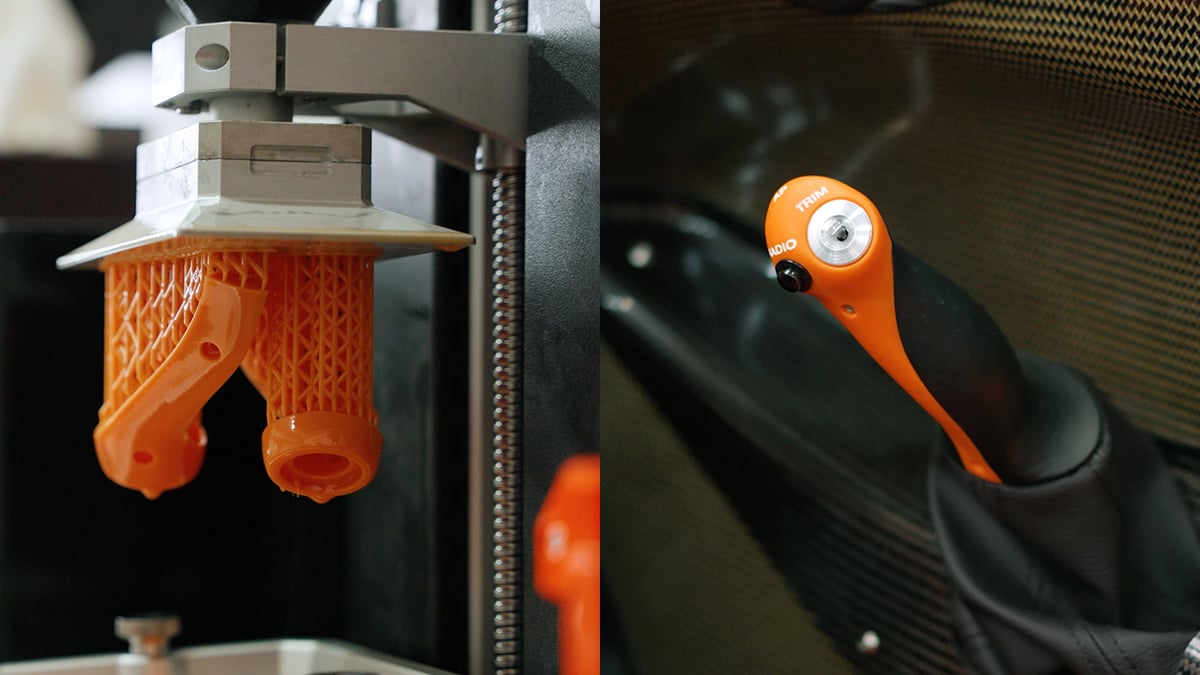
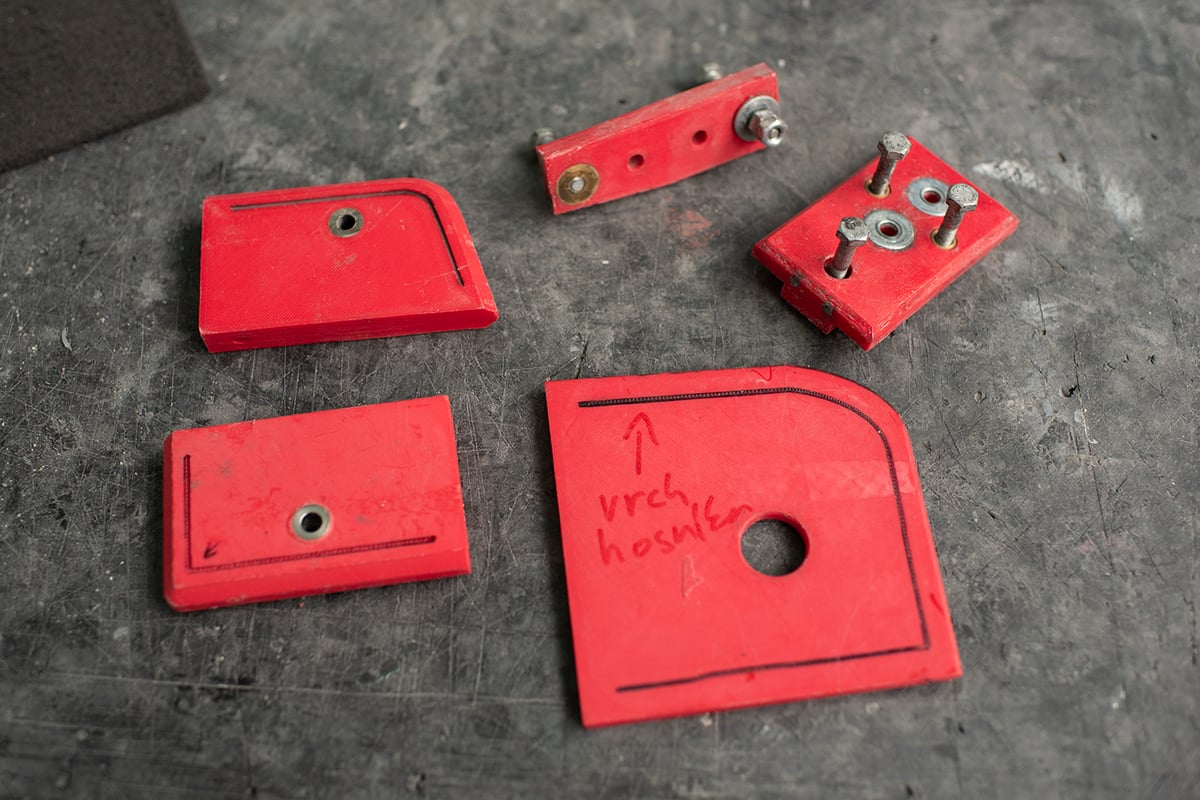
A multitude of printed parts fly on every aircraft, including covers, holders, hooks, and control grips.
Moving functional parts to the shop floor
- ProblemBuilding the world's fastest ultralight aircraft requires high precision, but sourcing specialized functional parts like covers, holders, and hooks can drastically slow down assembly.
- SolutionSHARK.AERO brought production directly to the shop floor. Today, dozens of the Shark's components are 3D printed, turning complex sourcing into rapid, on site manufacturing.Printed onOriginal Prusa MK4S
- ValueThe integration saves about 100 work hours per plane. Across their production schedule, that totals 300 to 400 hours every month.

A 10 km/h speed boost from a printed door
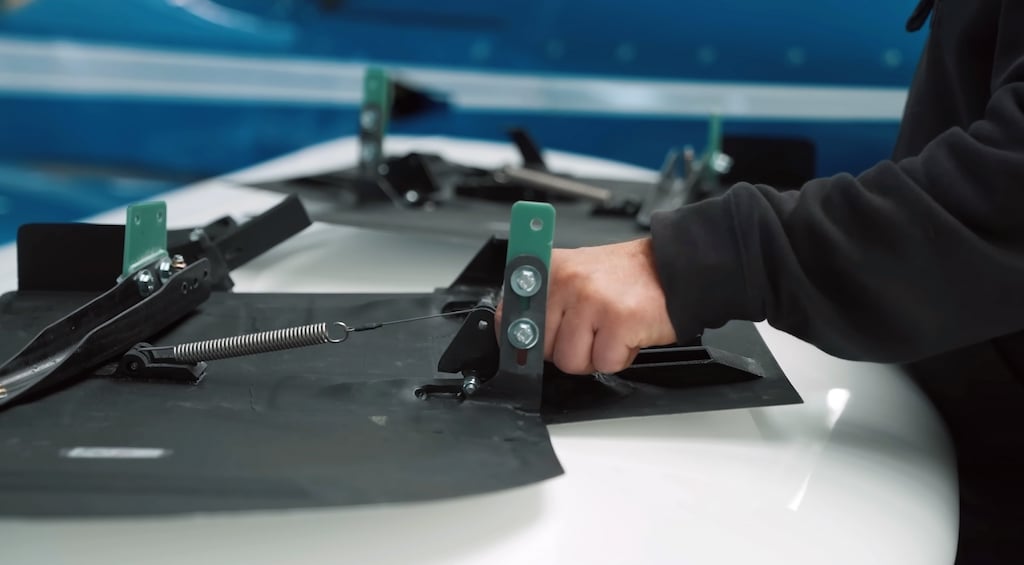
- ProblemIn an aircraft that holds Guinness world records, every ounce of weight and aerodynamic tweak matters. Traditional components were simply too heavy or rigid.
- SolutionThe team combined custom made carbon components with 3D printed parts to save precious weight. The landing gear doors went through a constant trial and error process, with countless variations tested until the aerodynamics were just right.Printed withPrusament ABS
- ValueThe landing gear door solution alone gives the airplane an extra 10 kilometers per hour.

Resin in the cockpit, Nylon in the engine
- ProblemAircraft parts face wildly different extremes from the smooth, ergonomic demands of a pilot's control stick to the intense, punishing heat of the engine compartment.
- SolutionSHARK.AERO matches the material to the mission. Control sticks are manufactured from Prusament Resin on the Original Prusa SL1S for a perfect finish, while the most exposed parts near the engine cooling system are 3D printed with Prusament PA (Nylon).Printed onPrusa SL1S SPEEDPrusa Pro HT90
- ValuePrinting with the exact material required ensures parts withstand their specific environments without adding unnecessary weight.

Prototyping molds for 200 composite parts
- ProblemEach Shark airplane is made of 200 custom made carbon composite parts. Creating composites is complex: laying carbon fiber into molds, applying special glue, and vacuum pumping. A mistake in the mold is extremely costly.
- Solution3D printing is used directly in the workshop to test and improve the molding process. Molds for various parts are first 3D printed with PLA and thoroughly tested before being used to create the final mold for serial production.Printed withPrusament PLA
- ValueIt is a swift and relatively inexpensive process that guarantees perfection before the final composite is laid.

Still not sure where 3D printing fits your production?
See what other enterprise companies print: a trauma center, a film studio, a tooling plant, a pit lane.


Customer story MASSLAB
MASSLAB prints master plans clients can rearrange
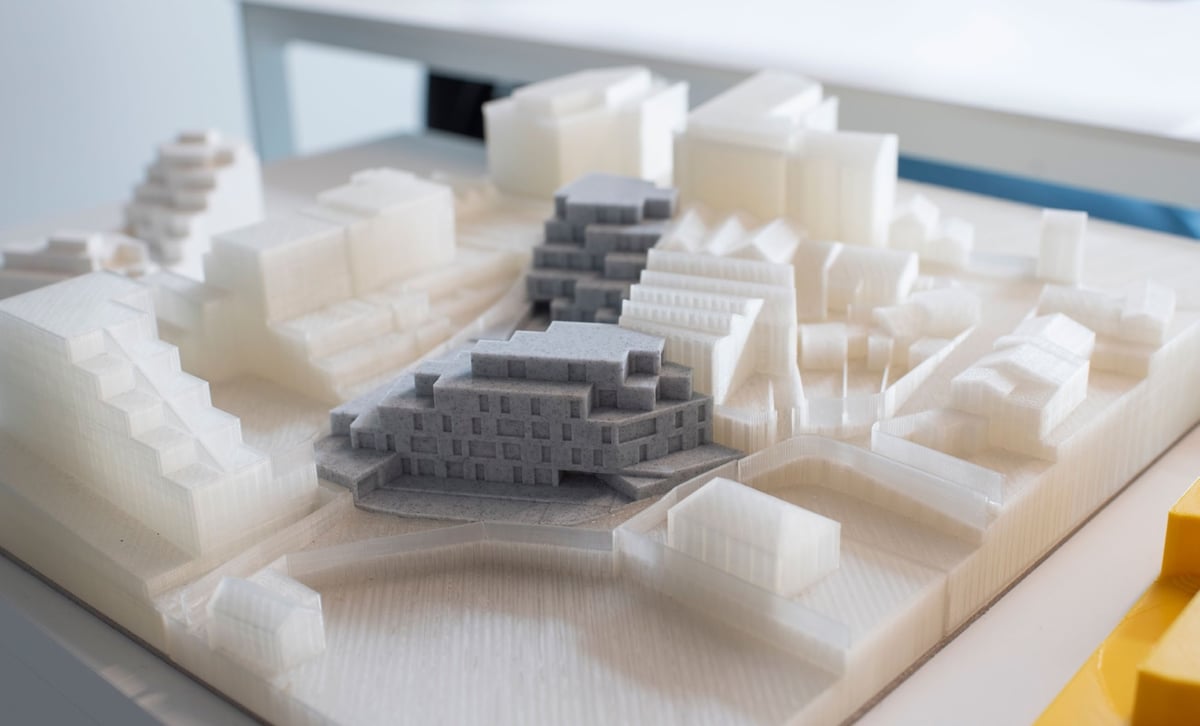
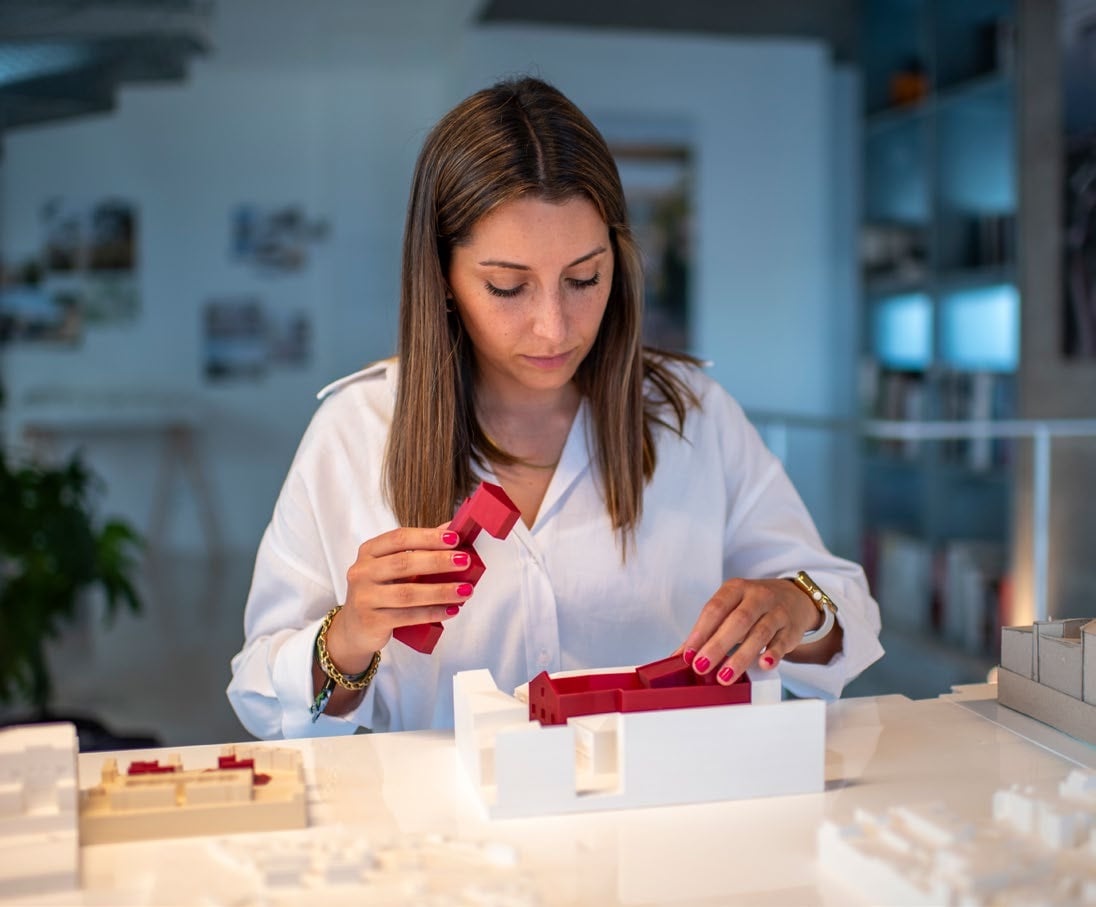
The 40 person Porto architecture studio has printed nearly all of its models since 2021. Buildings, parks and terrain come out as separate swappable pieces, so a roofline changes during the meeting instead of after it.
- 40people in Porto
- 2021nearly all model making printed since
- 2dual head Original Prusa XL printers
“MASSLAB models buildings, parks and terrain as individually swappable printed pieces, so a master plan can be rebuilt on the table instead of remade.”


Aerospace questions, answered
What engineering, quality and procurement usually ask before the first print.
Materials & Durability
Choosing the right filament
Production Workflow
Prototyping & lead times
Quality & Compliance
Aviation standards