Enterprise Automotive
“Cooperation of Škoda Auto and Prusa Research changed our way of thinking about production.”

Škoda Auto case study in numbers
Škoda Auto is a Czech automobile manufacturer and an important member of the Volkswagen Group. The company began adopting low-cost printing farms in the welding plant before expanding them across its operations.
- 1,065,000cars built in 2025
- 35,000+employees
- 60+3D printers across the plants
A broken supply chain threatened to halt the entire line. Rapidly prototyping and mass-producing plastic covers stabilized the gearboxes and saved over 13,000 car deliveries.
Employee‑Led Innovation
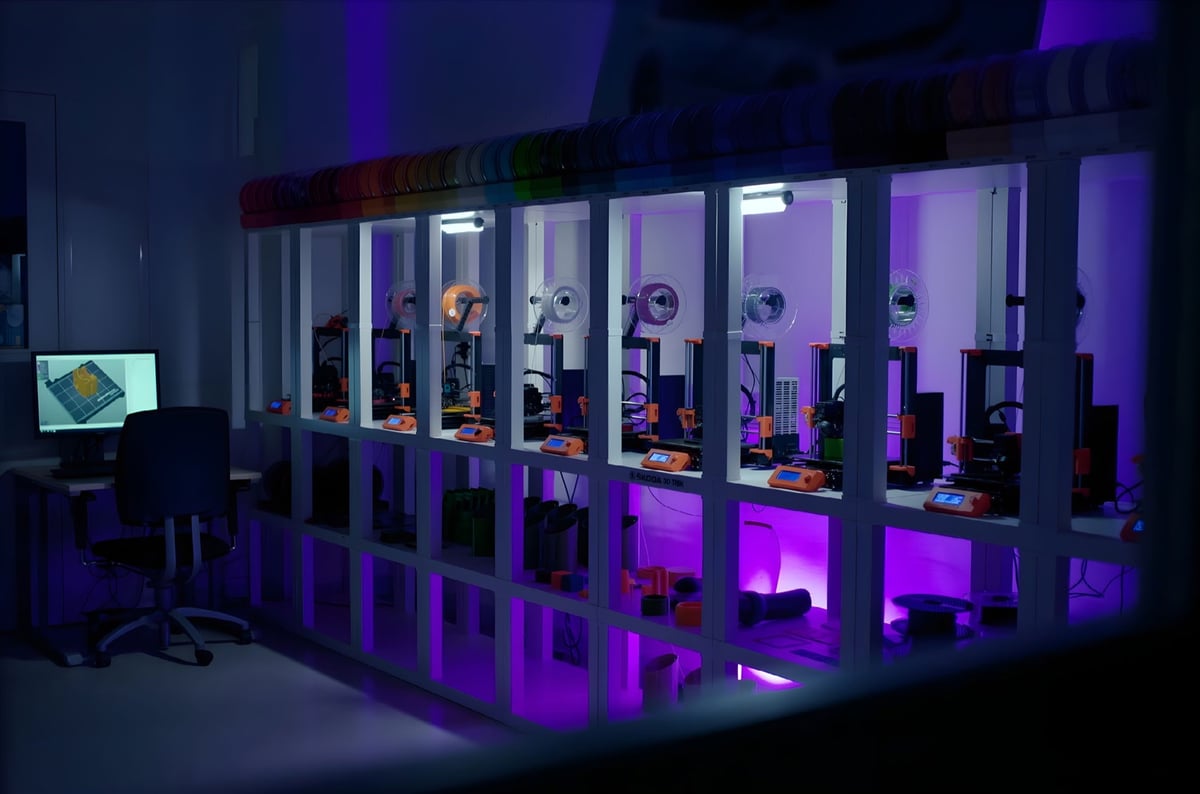
- ProblemBefore implementing localized 3D printing, the maintenance department faced significant logistical hurdles. The maintenance department had to transport molds away from the production line to a dedicated workshop for inspection. Machine tools produced shaped parts for holding fixtures in large, centralized facilities. This kept essential tools far from the operators who needed them immediately.
- SolutionThe push for modernization came directly from the factory floor. Employees in the car manufacturing department already used 3D printers at home and recognized the technology as a standard industrial tool. They pitched the idea to their supervisors, leading to a successful pilot run and the creation of the first low-cost 3D printing farm at the Mladá Boleslav welding plant. The solution runs through a streamlined workflow in which employees supply a sketch or an original part as a template. Patent specialists verify all requests against an internal database before production begins. The machines run Prusament PLA, PETG, PC Blend Carbon Fiber CF, and TPU to efficiently produce various tools and fixtures on demand.Printed onPrusament PLAPrusament PETGPrusament PC-CFPrusament TPU
- ValueThis on-site capability drastically reduces turnaround times, allowing operators to deliver custom models in the exact quantities needed within hours. The maintenance crew can now print special templates and inspect molds directly at the production line, saving time and improving overall quality. Replacing heavy metal components with inexpensive 3D-printed alternatives reduces wear on expensive machinery and saves thousands of euros.
“The results exceeded our expectations and subsequently very significantly influenced the expansion of plastic 3D printing to our other facilities.”
Jana Polášek Filová, Expert Coordinator for Digitisation and Innovation in Production and Logistics at Škoda Auto

Preventing Wear on Assembly Line Cogwheels
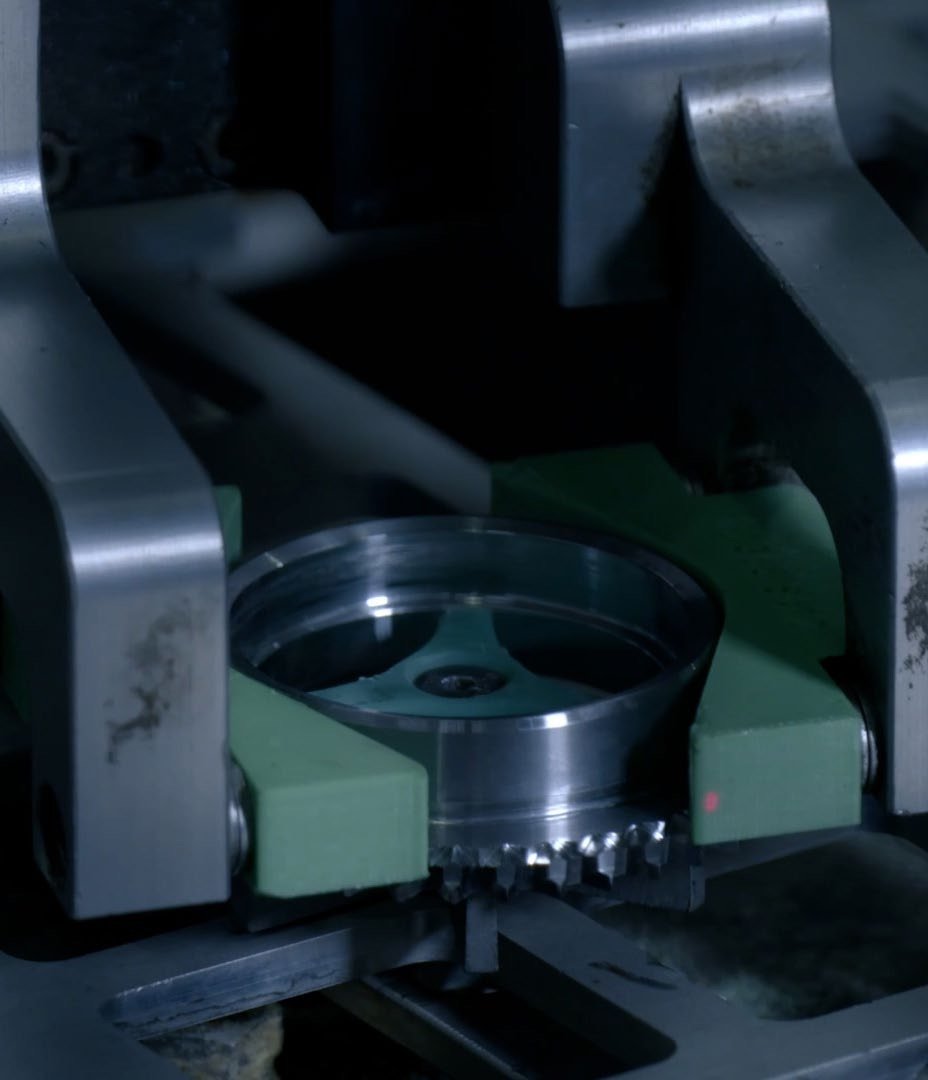
- ProblemClamps are essential tools used on engine and transmission lines to manipulate production-line cogwheels. The original metal clamps were wearing out the cogwheels during normal operation. The parts being handled were being damaged by the very tools designed to move them safely.
- SolutionTo resolve this issue, the manufacturing departments replaced the metal components entirely with custom 3D-printed clamps. The workshop crew also transitioned to printing shaped parts for their holding fixtures. This shift let them produce the necessary tools on demand instead of relying on heavy machine tools in large centralized centers.
- ValueThe printed clamp costs significantly less than the metal version and actually lasts longer. Most importantly, the plastic material completely eliminates the wear and tear on the metal cogwheels. Combined with the new holding fixtures, this seemingly small detail speeds up production and lowers costs, adding up to thousands in monthly savings.

Manufacturing Discontinued Spare Parts
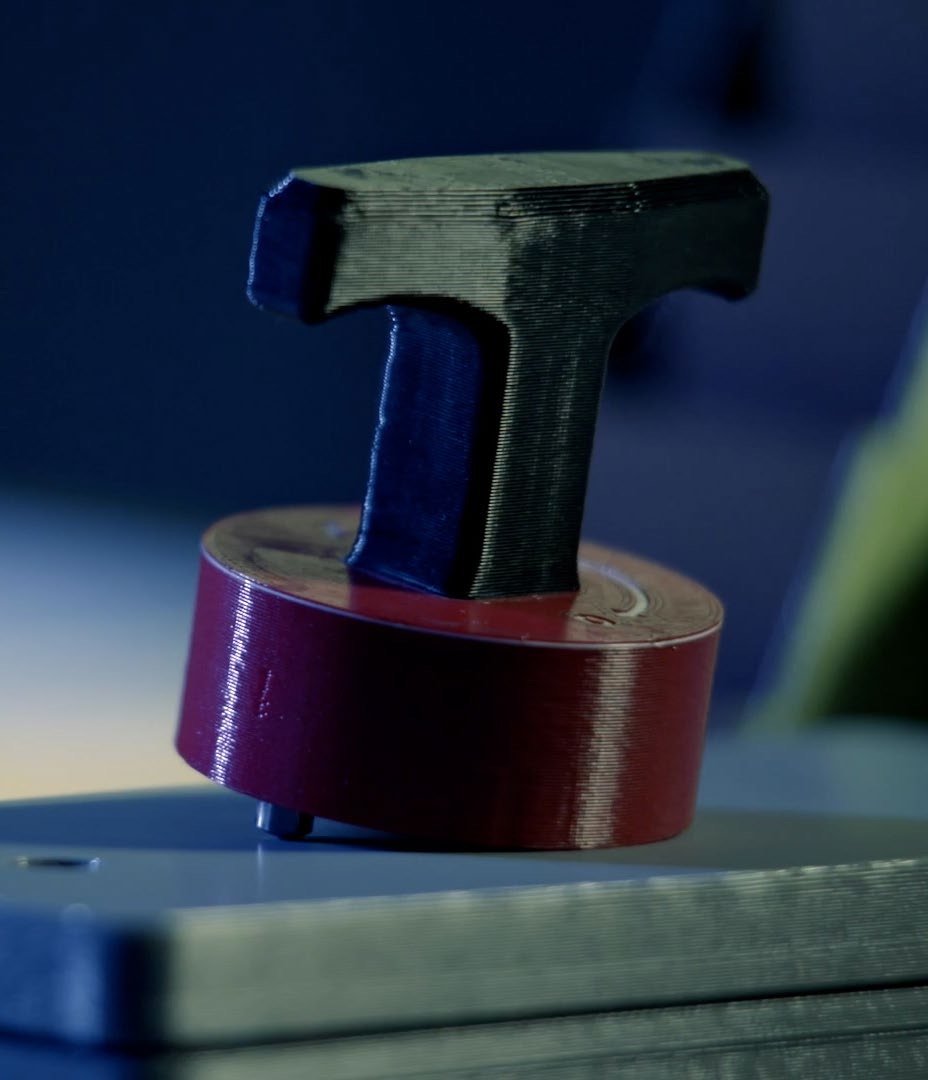
- ProblemIndustrial machines often outlive the commercial availability of their replacement parts. Supply chains break down when development ends or suppliers stop manufacturing specific components. The production line cannot stop just because a required bracket or fixture is no longer available on the open market.
- SolutionThe Central Technical Service bypasses these supply issues by printing sophisticated spare parts internally. Technicians create essential items like shape pads and measuring jigs. They improve the components themselves through a continuous process of prototyping, testing, and refining designs until production grants final approval. To support this operational shift, the Škoda Academy integrated 3D printing into its training program. This education initiative directly addresses the need to teach current engineers how to harness the full potential of additive manufacturing.
- ValueThe maintenance department essentially stopped buying these legacy parts and now relies entirely on 3D printing. This strategy keeps production moving smoothly and ensures valuable technical skills stay in-house. Training its own workforce eliminates external dependencies and turns equipment maintenance into a highly flexible internal process.

Overcoming Supply Chain Disruptions
- ProblemThe global pandemic severely disrupted traditional supply chains. At the Kvasiny plant, a missing gearbox rod prevented the completion of the Superb and Karoq models. A vehicle missing a single component cannot be delivered, creating a massive bottleneck that threatened to halt the entire production line.
- SolutionThe team designed and printed custom plastic covers to hold the gearbox in neutral. This allowed the incomplete cars to continue safely through the standard production process while waiting for the original parts to arrive. The process involved rapid prototyping and a quick approval cycle. To meet high-volume demand, the company also used Prusa Research's mass-printing production capabilities. Internally, the standard workflow remained intact: employees submitted sketches, checked the internal database, and secured patent specialist approval before printing.
- ValueThis rapid, flexible response prevented a massive production delay affecting more than 13,000 car deliveries. It provided an immediate answer to an unforeseen crisis. Without the agility of 3D printing technology, overcoming such a critical logistical challenge would not have been possible.
“Due to problems in the supply chain, 3D printing farms were tasked to help with completing the finalization of Škoda Superb and Karoq models in Kvasiny plant where there was a problem with a gearbox rod supply. Printed plastic covers were used to stabilize the gearbox in a neutral position. Without that, the cars wouldn’t be able to complete their journey through the production process.”
Jana Polášek Filová, Expert Coordinator for Digitisation and Innovation in Production and Logistics, Škoda Auto
Still not sure where 3D printing fits your lab?
See what other organizations print, a classroom, a hangar, a car plant, a trauma center.


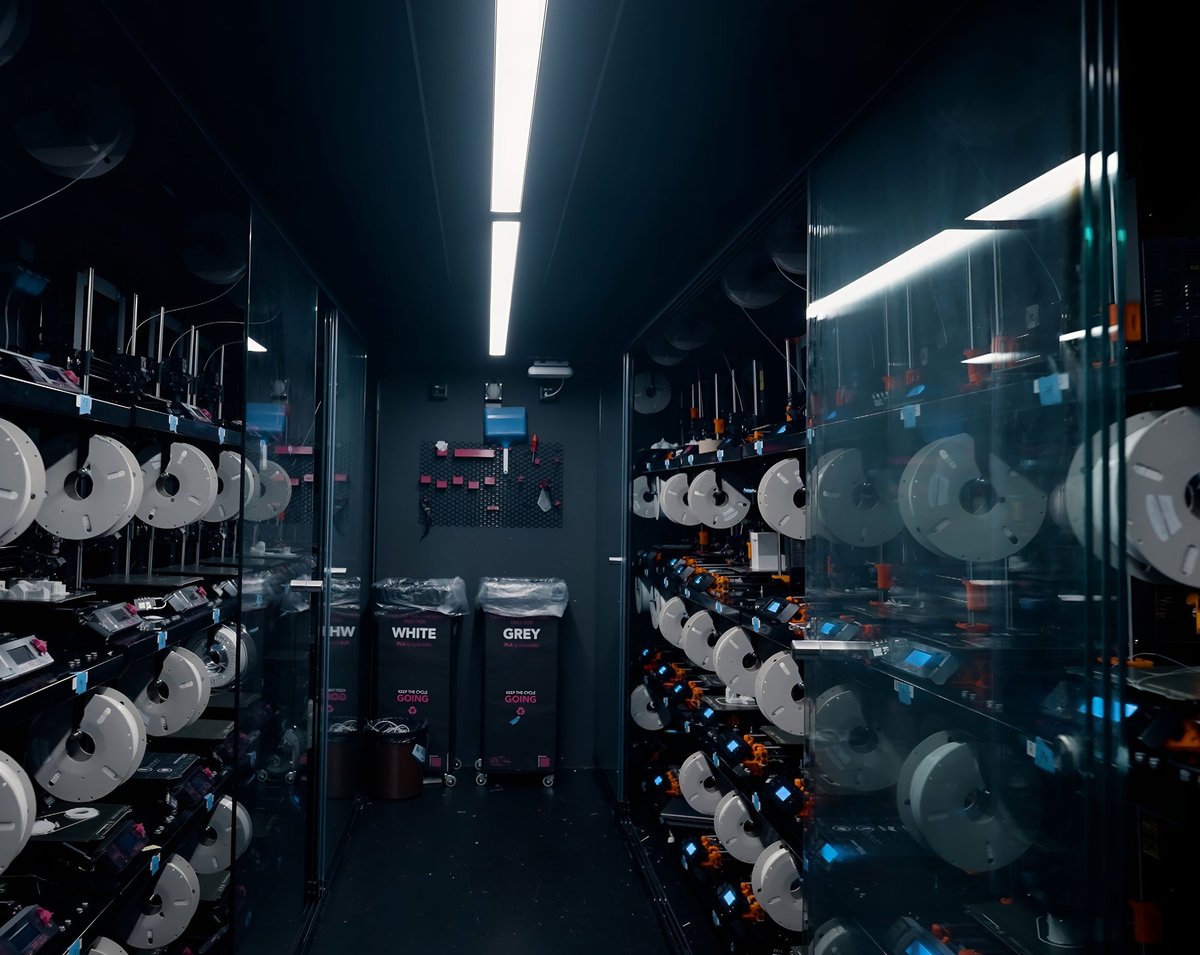

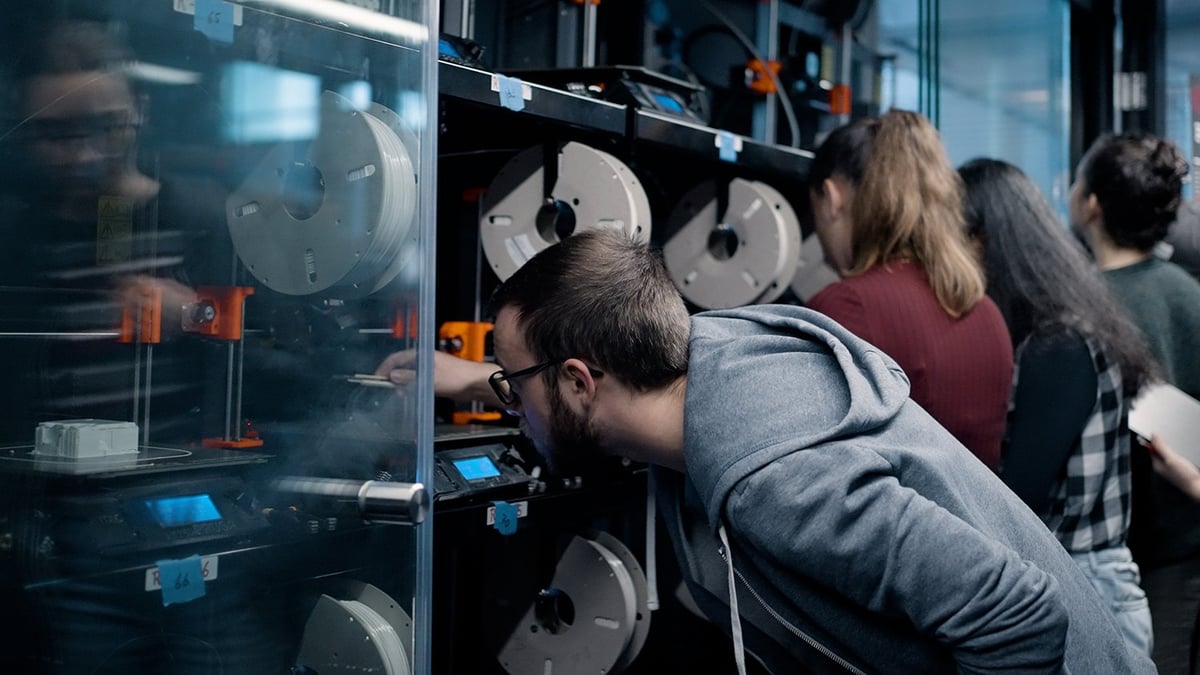

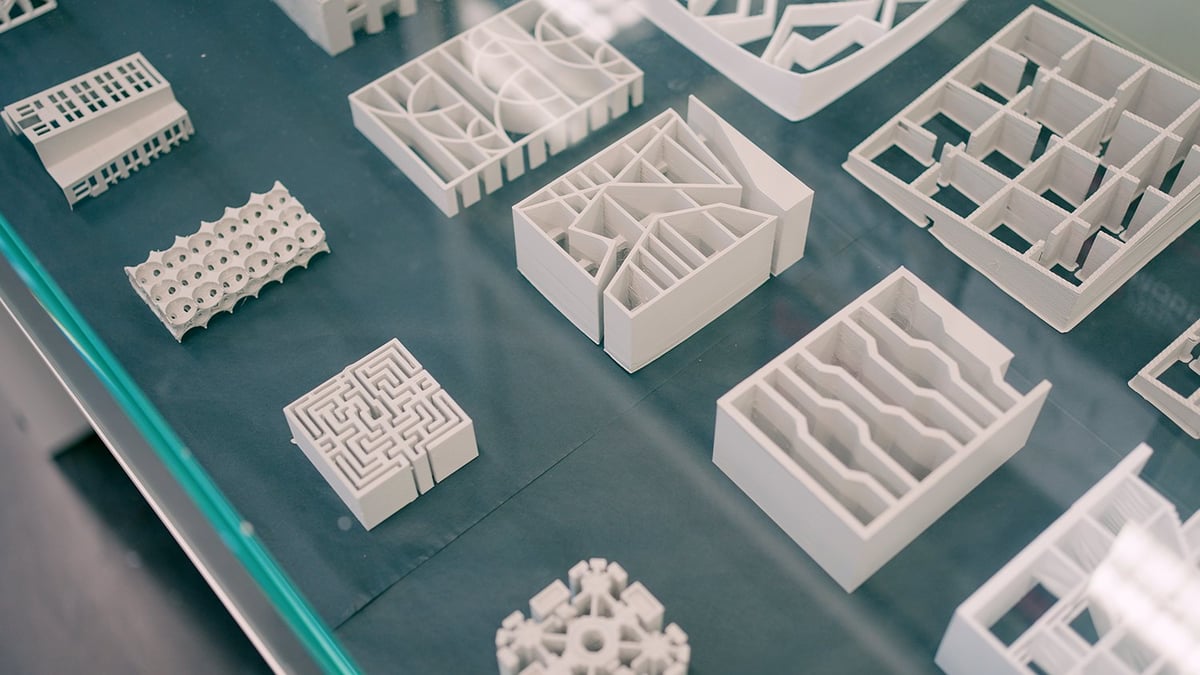

Customer story ETH Zurich
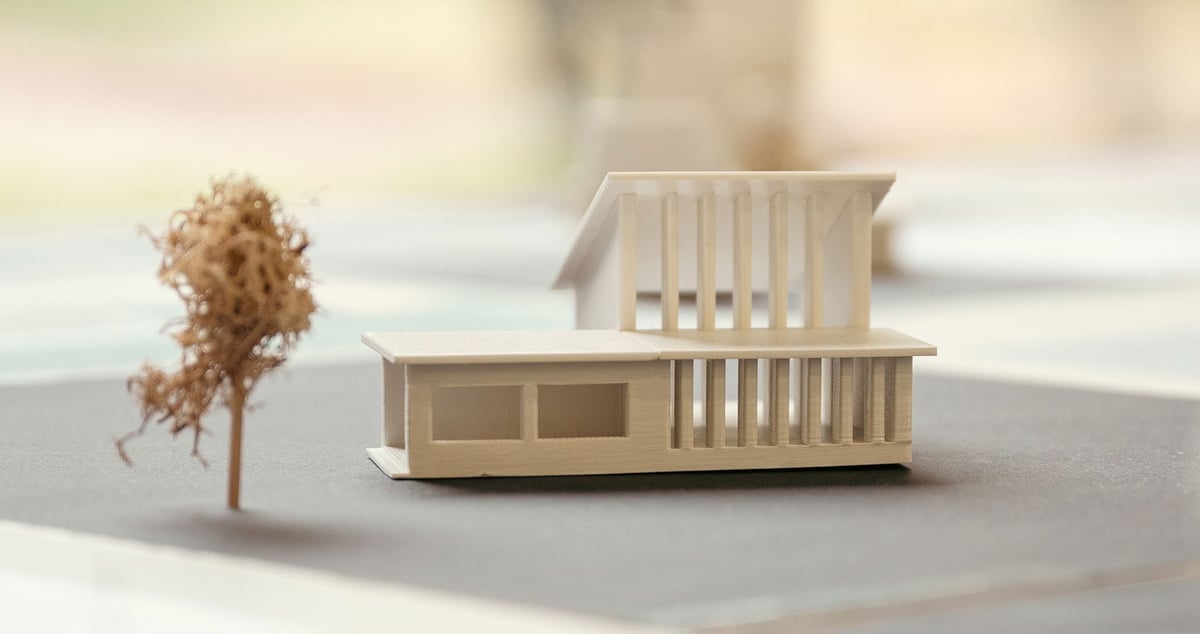
Every one of ETH Zurich’s 100+ printers was built by a student
The architecture department’s HYTAC programme trains 300+ students a term, and each of them assembles an Original Prusa kit in two days before printing anything. It started as a maintenance problem: the university could fund the machines, but not the people to keep them running.
- 100+Original Prusa printers
- 300+students trained per term
- 20printers replaced each year
“I cannot imagine a world without 3D printing. It just would not work!”


Your team’s questions, answered
What engineering, quality and procurement usually ask before the first print.
Manufacturing Engineer
Tooling and production
R&D Engineer
Materials and durability
Quality / Traceability Engineer
Quality assurance
Maintenance Technician
Spares and repairs
Procurement Lead
Purchasing