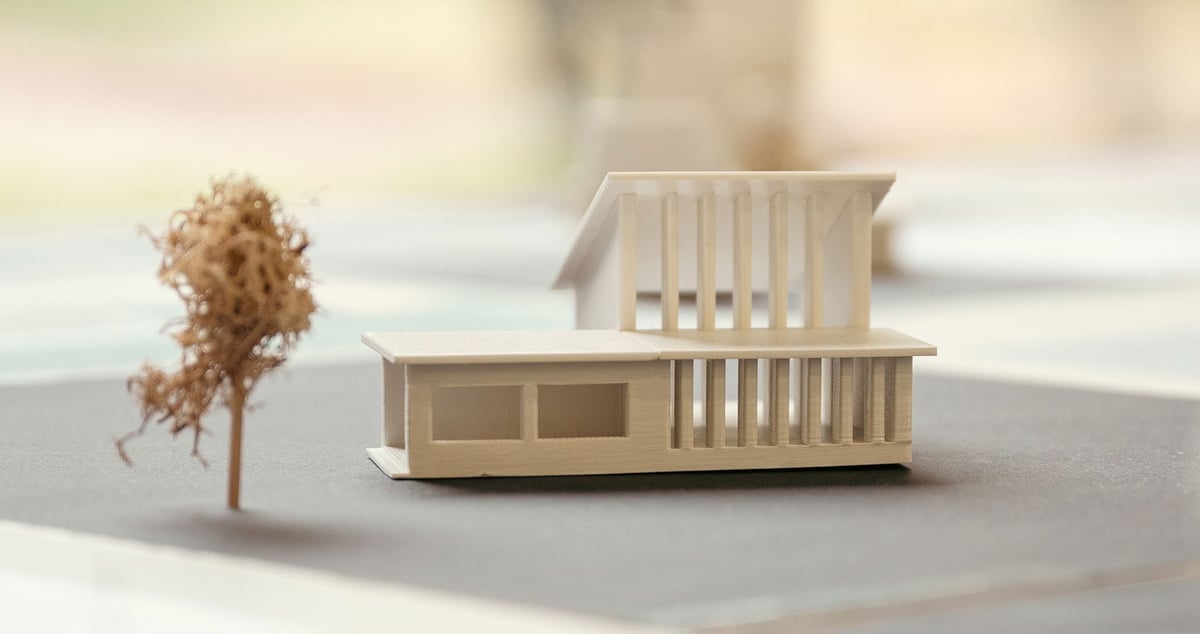
Education
“I can’t imagine a world without 3D printing. It just wouldn’t work!”

ETH Zurich case study in numbers
ETH Zurich is one of the world's leading universities in science and technology. In its Department of Architecture, the Hybrid Timed Architecture (HYTAC) programme runs 100+ Original Prusa 3D printers to turn architectural designs into reality.
- 1855year founded
- 25,000total students enrolled
- 100+Original Prusa 3D printers
During their first week, over 300 architecture students are divided into groups to learn CAD, slicing, and 3D printing.
From the first week to a grand exhibition
- ProblemFor many of the 300+ architecture students, this is a rapid immersion. They must quickly learn how to design, slice, and print to benefit their daily workflow.
- SolutionThrough hands on learning via the "3D Jony" platform and classroom exercises, the HYTAC program gets students up to speed immediately, dividing tasks between CAD drawing, model preparation, and machine assembly.
- ValueBy the end of the week, the students are successfully printing their own models, and everything culminates in a large exhibition showcasing their new skills.
“I saw all these models, which I found really interesting, and I wondered how they were made in just one week. And that was thanks to 3D printing.”
Jonas Jost, first year architecture student

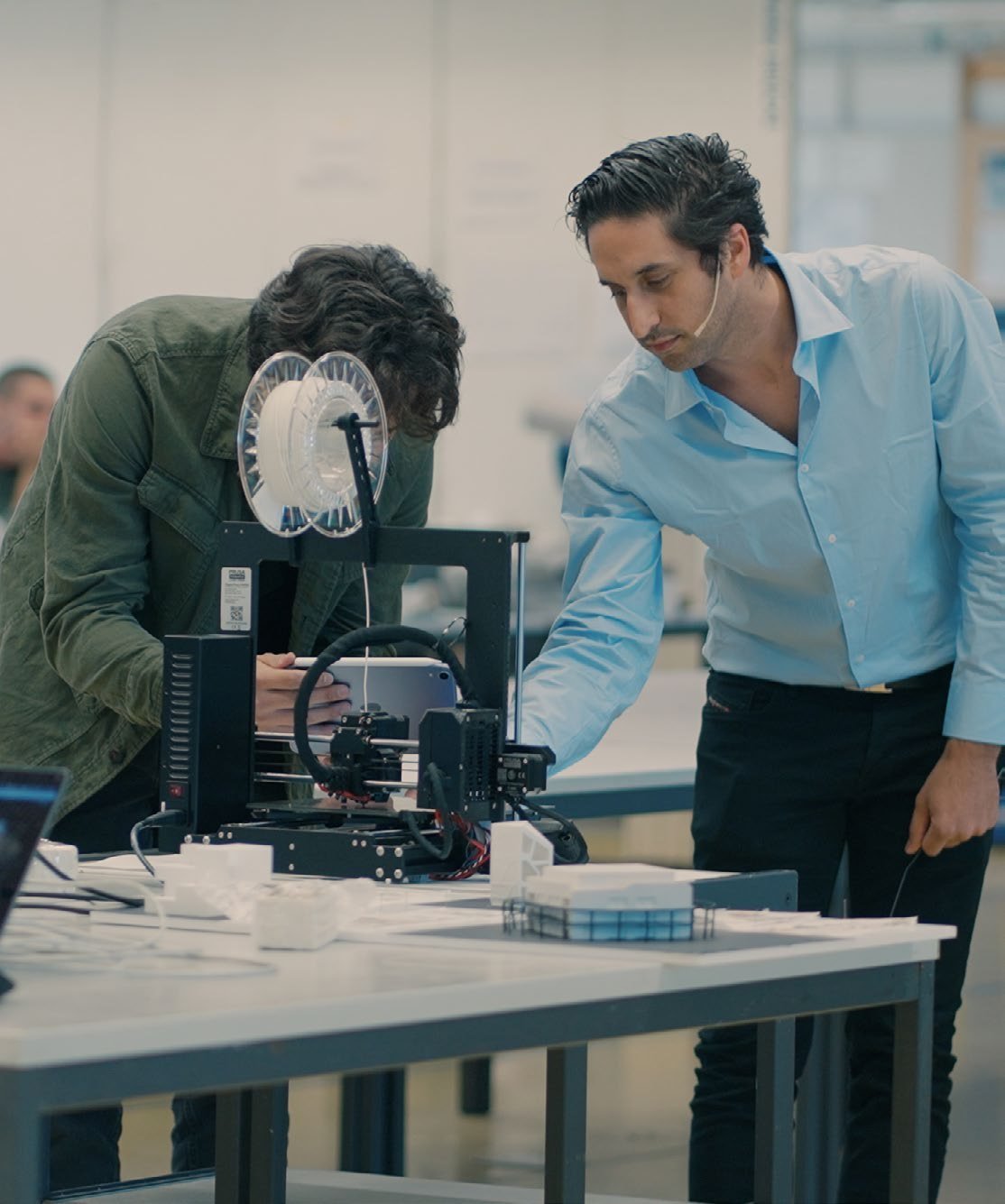
Building the machines they learn on
- ProblemIntegrating 3D printing into an architectural curriculum requires students to deeply understand the tools they use rather than treating them as a black box.
- SolutionStudents meet the machines in their first week. Over 300 architecture students are divided into groups and tasked with assembling an Original Prusa 3D printer kit, which has to be completed in two days.
- ValueThrough assembly, design, and slicing, the students bridge the gap between theoretical research and practical applications.
“In the end, every 3D printer we have, has been built by our students so it has the added value of them knowing how it works and being able to fix it themselves.”
Jonathan Benhamu, lecturer at ETH Zurich

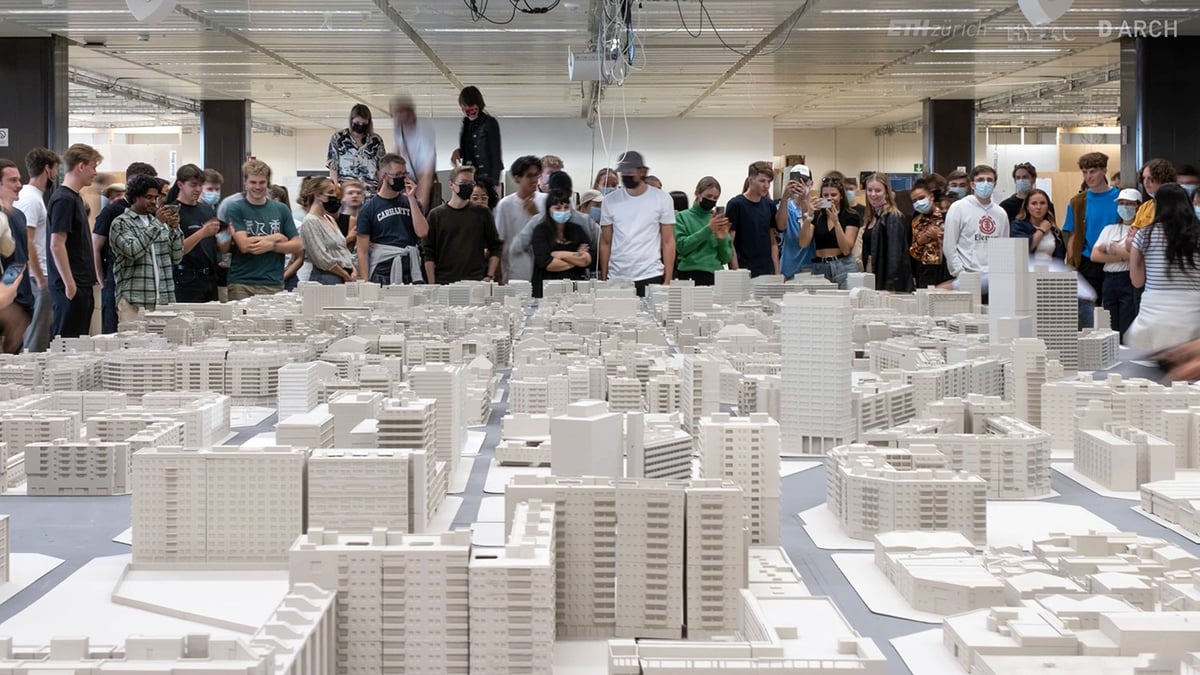
A neighbourhood of Barcelona, printed at model scale
- ProblemStudents need to master key architectural principles: modeling in CAD software, analyzing context, scaling, detailing, and organizing a massive cooperative workflow.
- SolutionThe students modeled El Poblenou, a popular part of Barcelona featuring the Torre Agbar and Bogatell beach. They turned a 2D analysis into a large scale 3D model using ArchiCAD and printed it over several weeks.Printed onOriginal Prusa MK4S
- ValueThe impressive final model fills up an entire showroom.

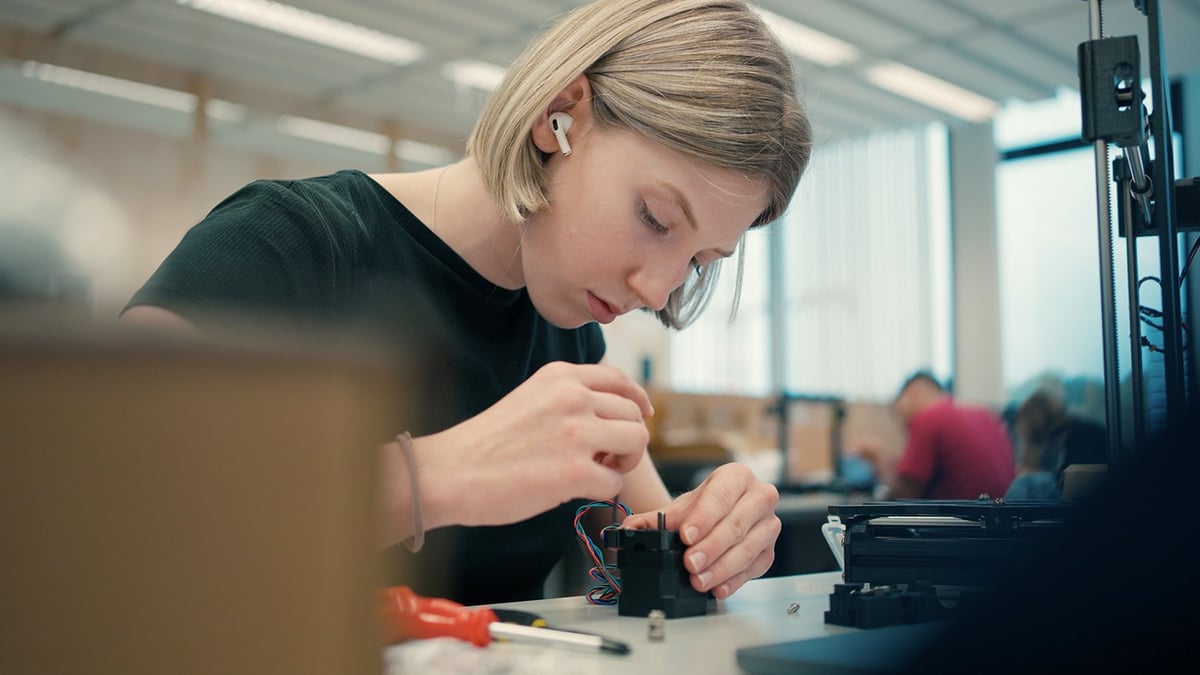
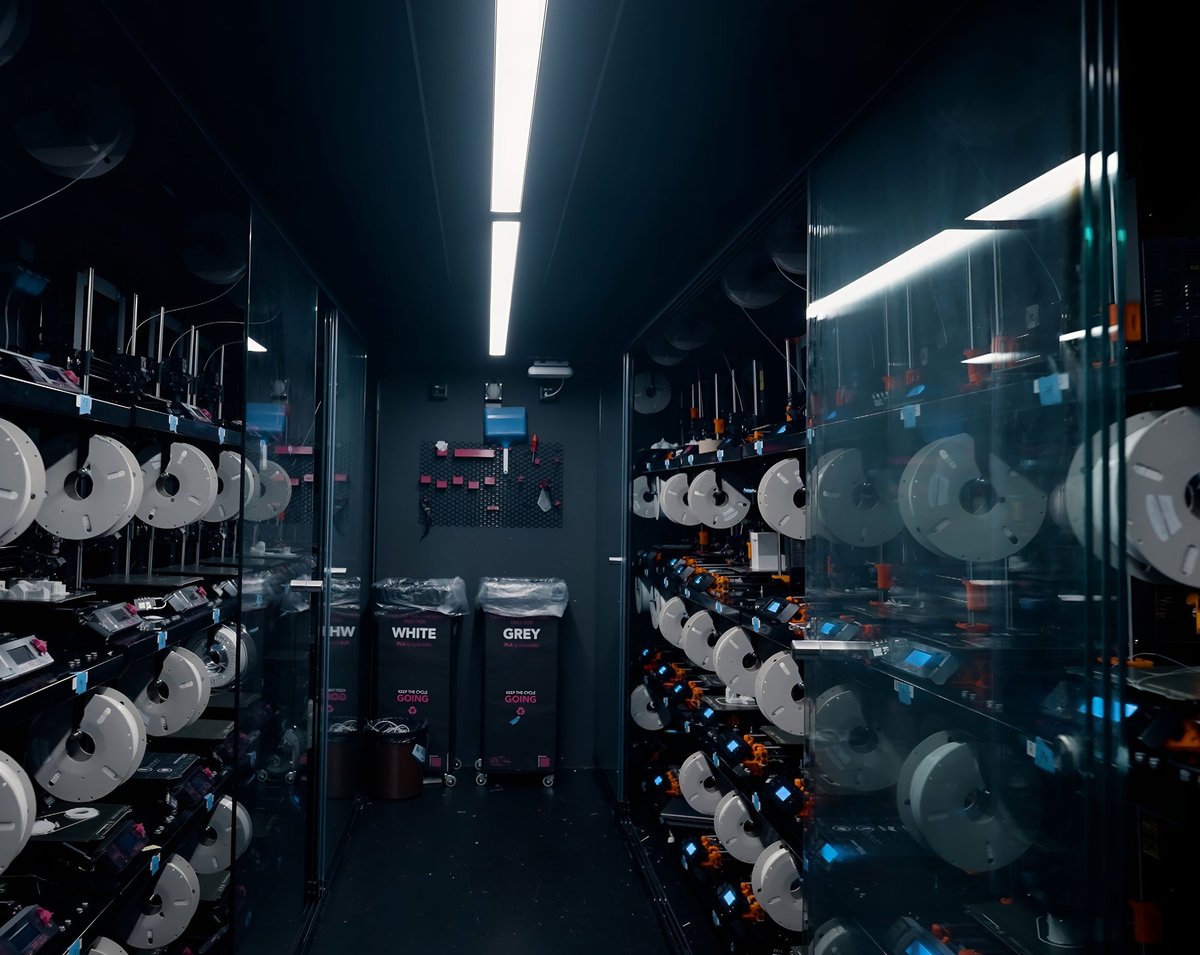
A lab on the roof built for 100 printers
- ProblemOperating a fleet of over 100 3D printers safely in a university environment requires strict measures for fire safety, ventilation, and air filtration.
- SolutionSet up in collaboration with Professor Andrea Deplazes, the 3D lab is located inside a specially developed high tech container on the roof of the architecture department. All 3D printers are housed in a temperature controlled and well ventilated room, safely stored behind glass doors.
- ValueTo ensure their 3D printing lab is always up to date, HYTAC sells 20 of its printers to the students at a reduced price every year and replaces them with 20 brand new ones.

Still not sure where 3D printing fits your production?
See what other organizations print: an architecture studio, a collider, a hangar, a car plant, a trauma center.


Customer story MASSLAB
MASSLAB prints master plans clients can rearrange
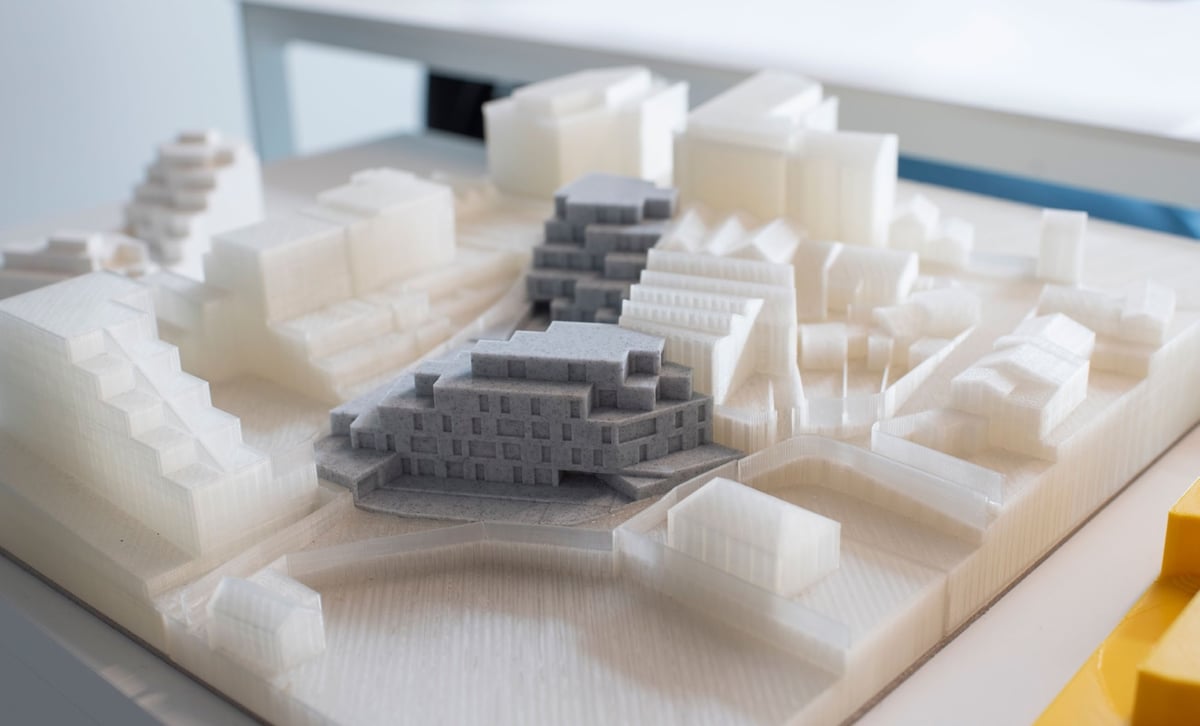
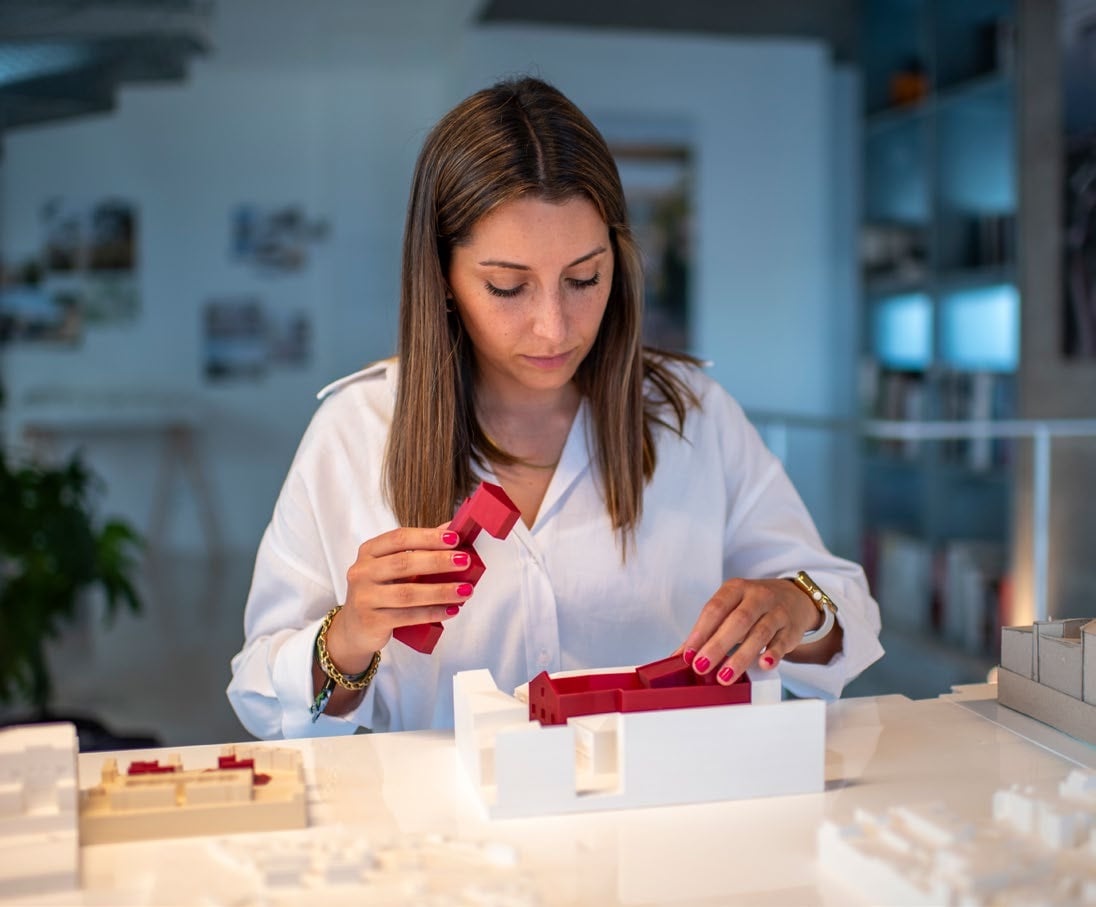
The 40 person Porto architecture studio has printed nearly all of its models since 2021. Buildings, parks and terrain come out as separate swappable pieces, so a roofline changes during the meeting instead of after it.
- 40people in Porto
- 2021nearly all model making printed since
- 2dual head Original Prusa XL printers
“MASSLAB models buildings, parks and terrain as individually swappable printed pieces, so a master plan can be rebuilt on the table instead of remade.”


Your team’s questions, answered
What educators and technical staff usually ask when scaling up.
Curriculum & Training
Student onboarding
Lab Setup & Safety
Facility requirements
Fleet Management
Upkeep and lifecycle