

















1. Select your model
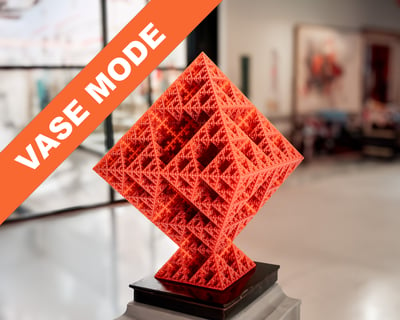
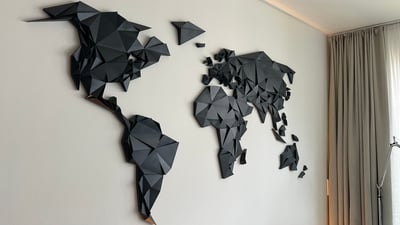
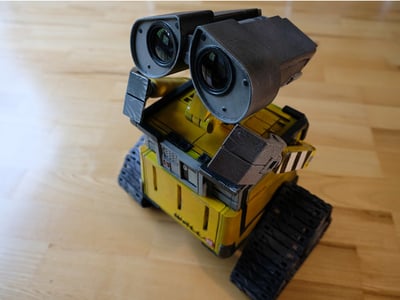
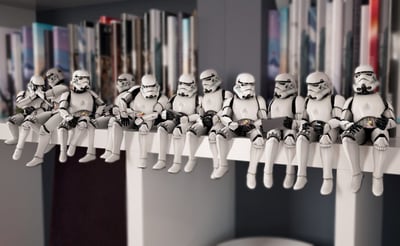
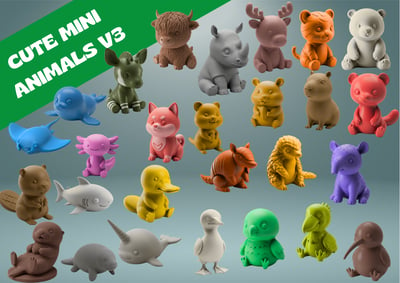
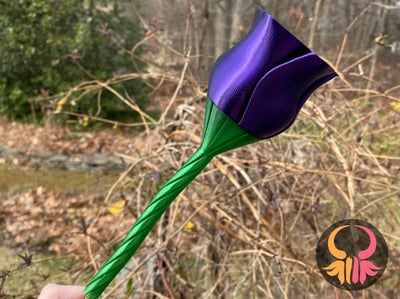
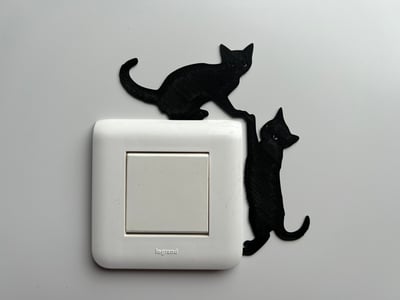
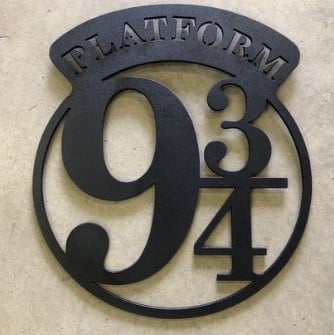
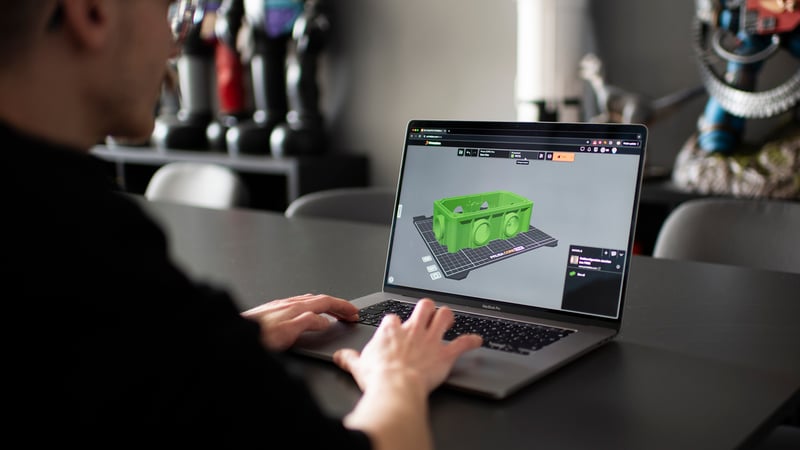
You can download pre-tested designs from a catalog of over a million free models, or design custom parts from scratch using basic design software.
By building physical objects layer by layer directly from a digital design, 3D printing bypasses traditional manufacturing constraints. Today, two primary technologies dominate this landscape: FDM, which melts plastic filament to build durable parts, and SLA, which cures liquid resin with light to achieve high-resolution details.
3D Printing 101
New to all of this? All you have to decide is where to begin - start with this five-minute read.
Read more3D Printers
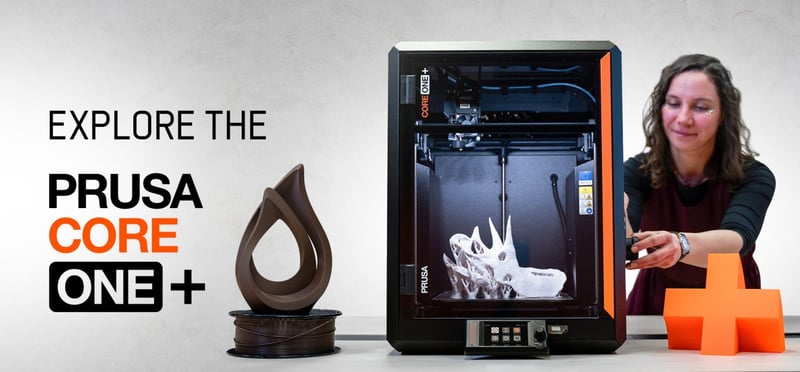
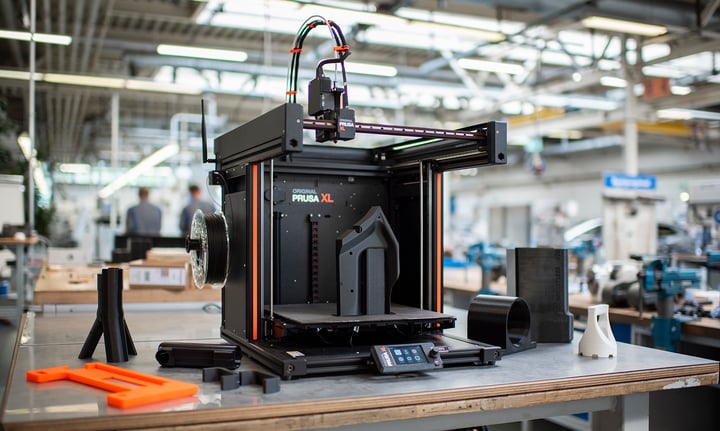
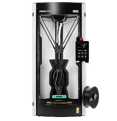
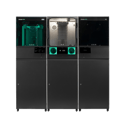
The full Prusa lineup, from a first machine at home to a large enclosed printer. Find the one that fits and open its page.
Read moreBuying your first 3D printer
What actually matters when you choose: size, material, kit vs assembled, with a table of which Prusa fits which start.
Read moreBecause desktop 3D printing handles everything from simple household fixes to professional manufacturing tasks, these tools adapt to your specific workflow. Whether you want to prototype a new commercial product or quickly create a custom assembly fixture, having a printer on hand provides complete creative freedom.
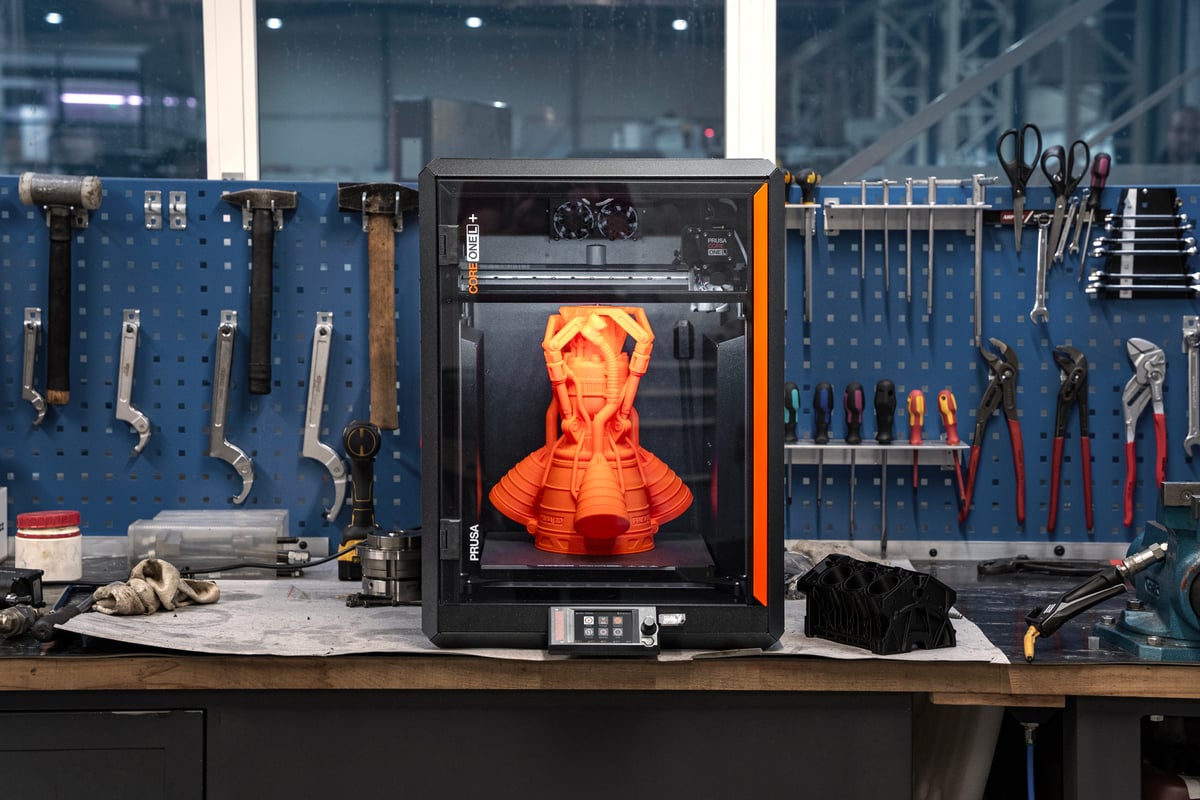
Home & Hobby
Replicate broken household components or create custom organizers instead of waiting for replacement parts to arrive.
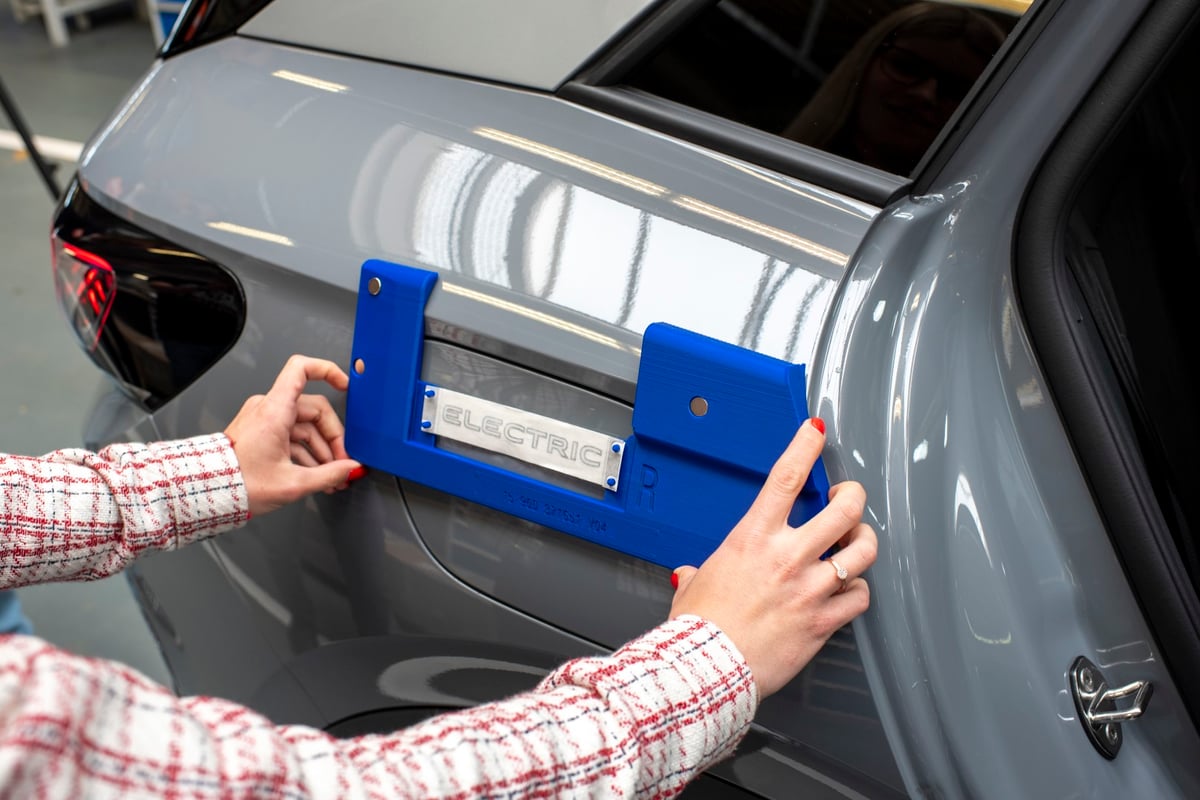
Small Business
Accelerate product development and manufacture custom components locally without high upfront tooling investments.
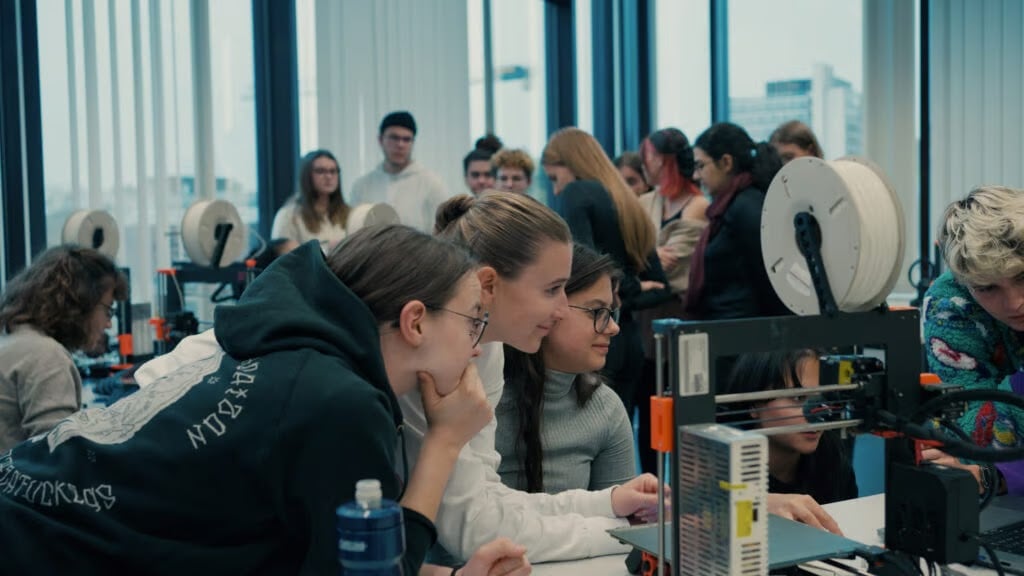
Enterprise & Industry
Minimize manufacturing downtime by printing replacement parts, custom assembly fixtures, and functional prototypes on demand.
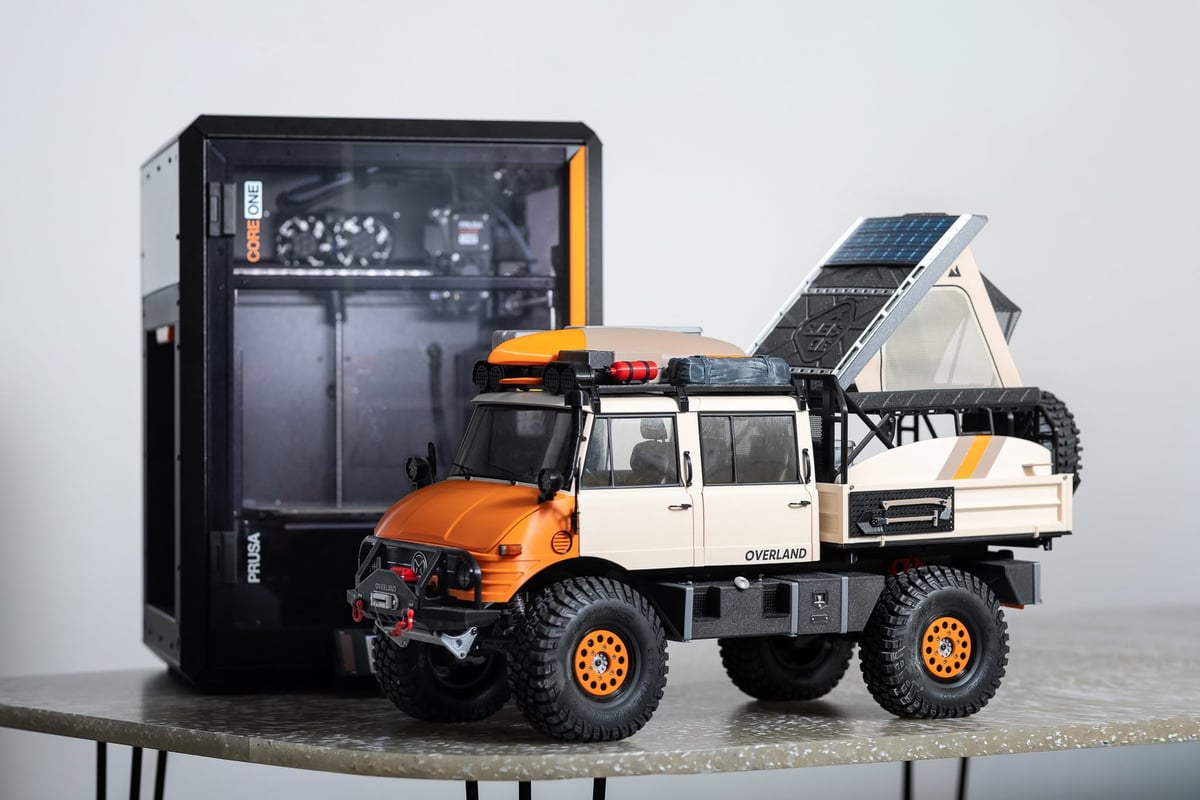
Education
Provide students with immediate physical feedback as they translate abstract design concepts into tangible projects.
“When I started with 3D printing all those years ago, most people thought it was just a fun way to make toys. But I always saw exactly what is happening today: 3D printers running serious local production, complementing industrial lines, and accelerating innovation.”
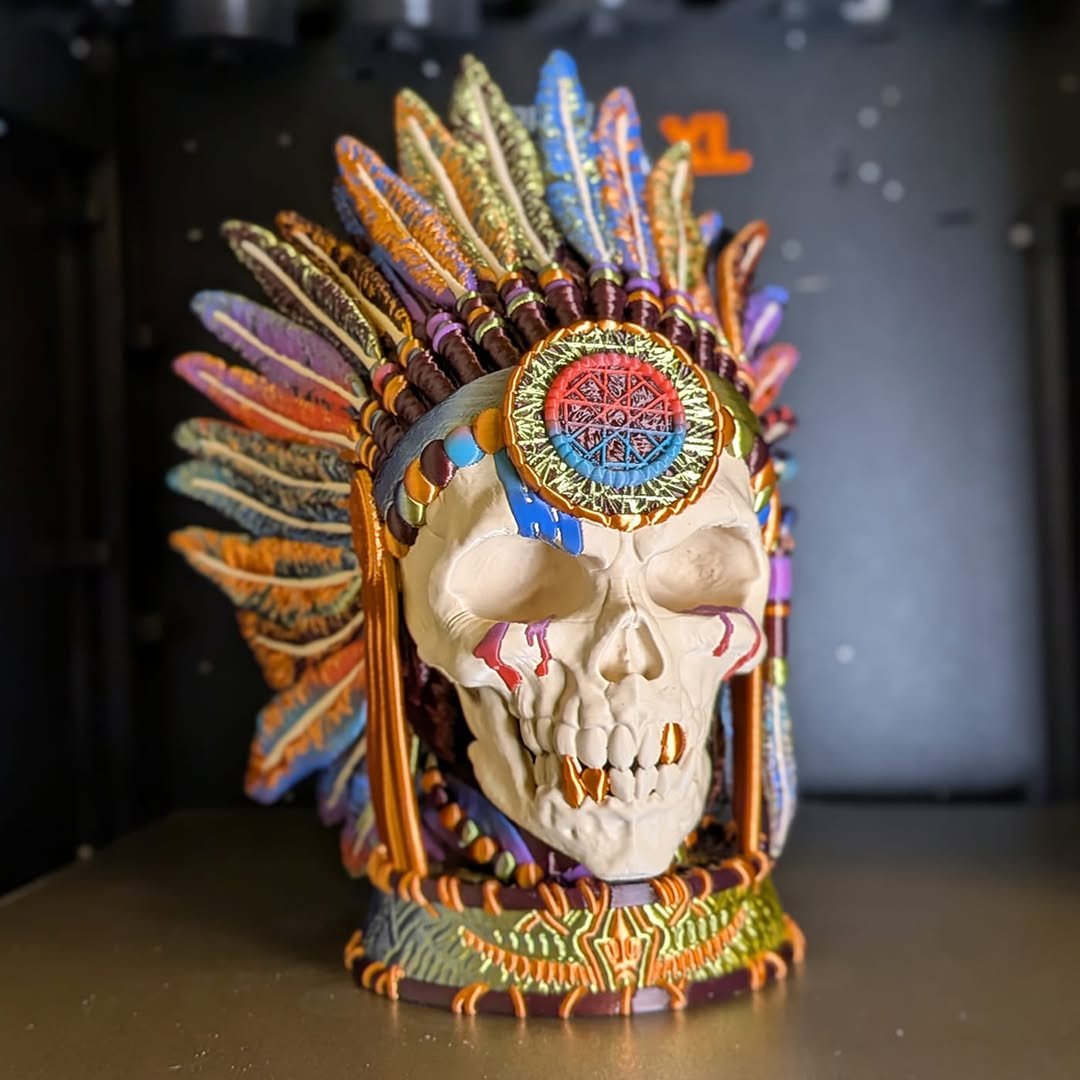
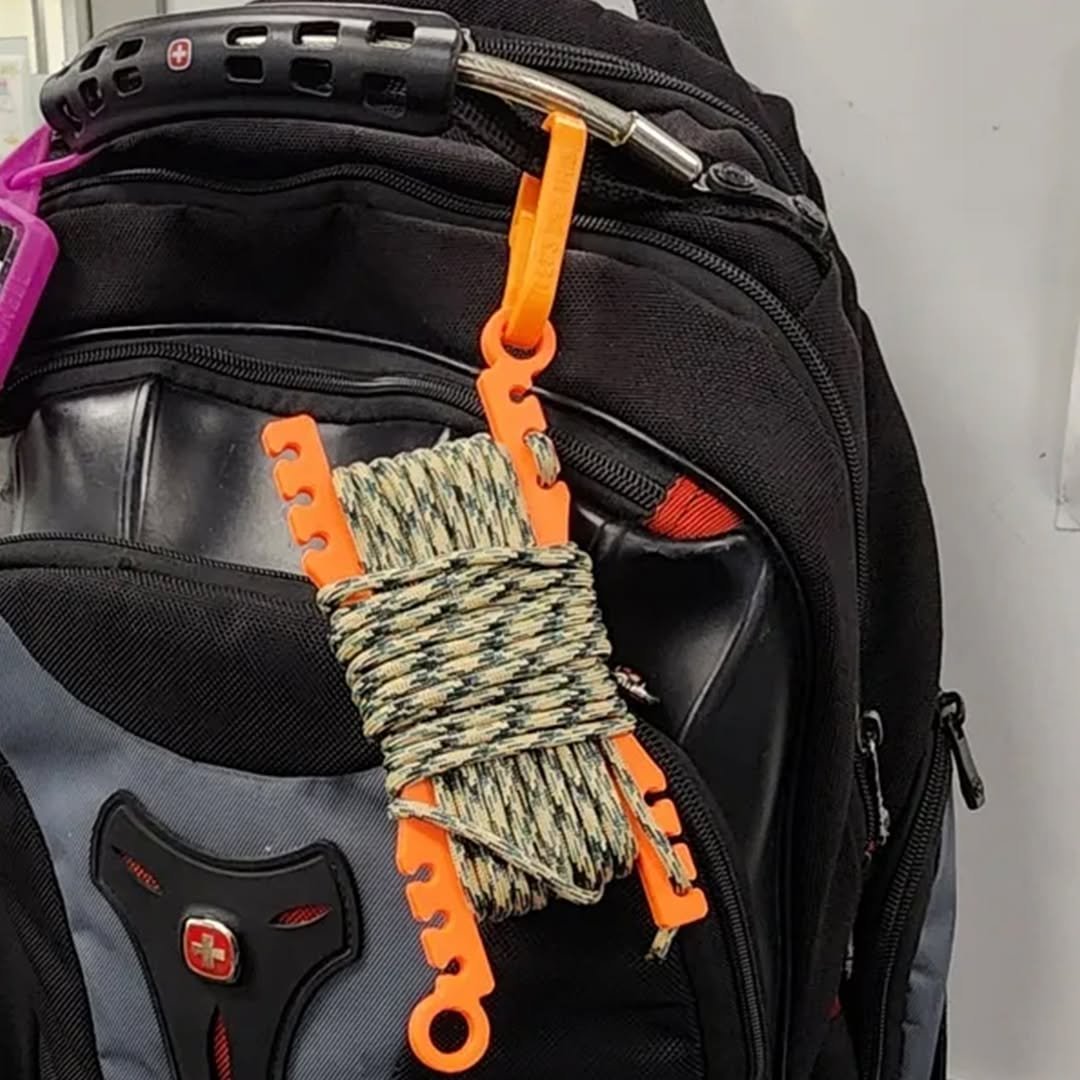
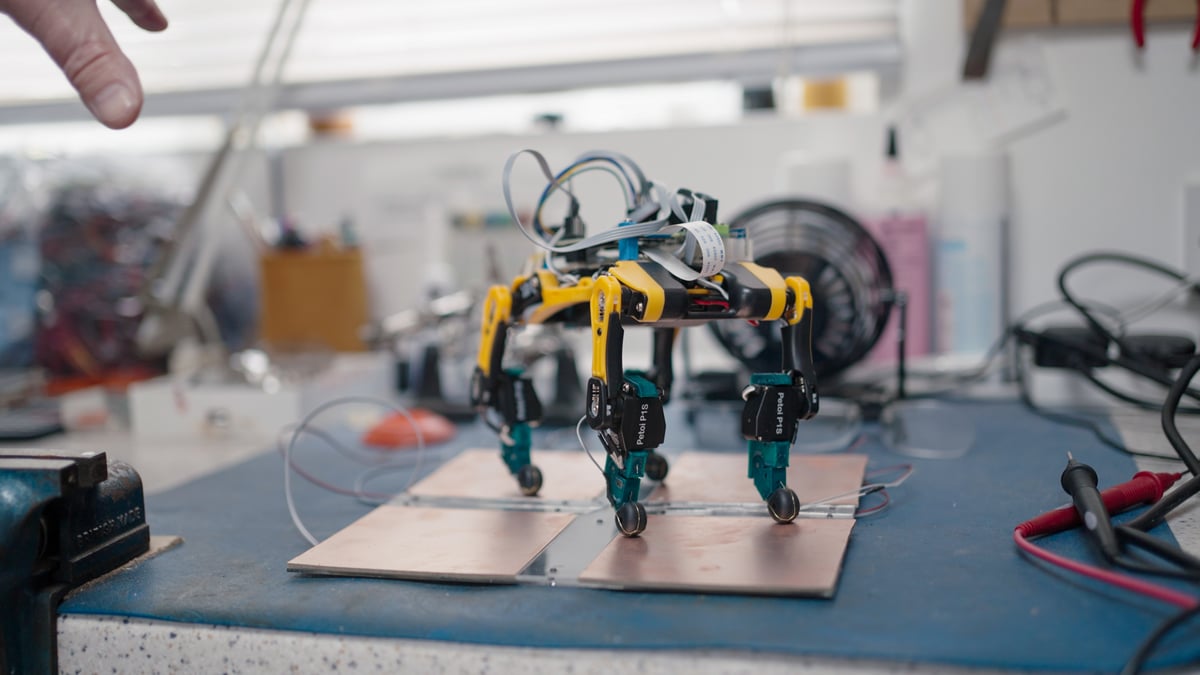
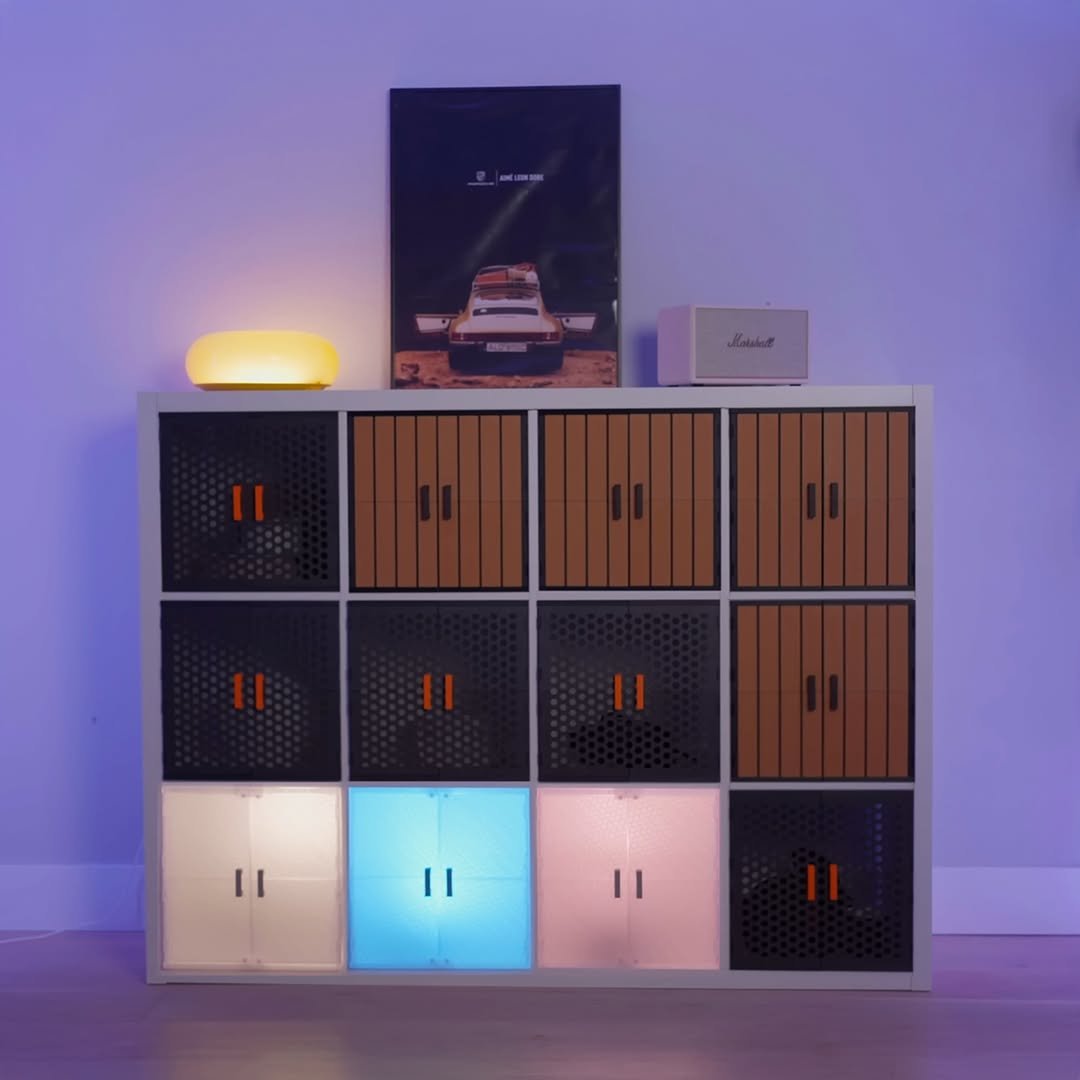
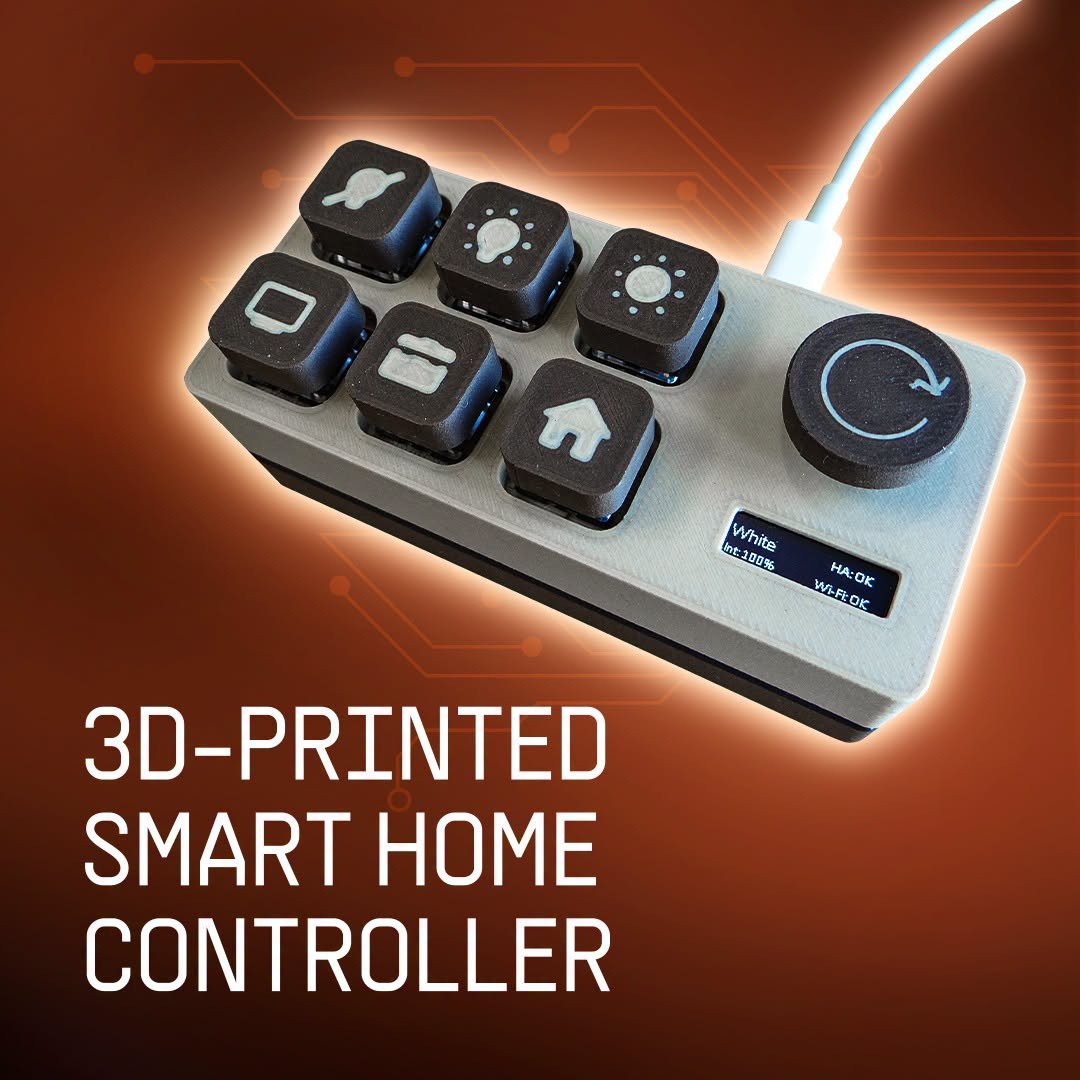
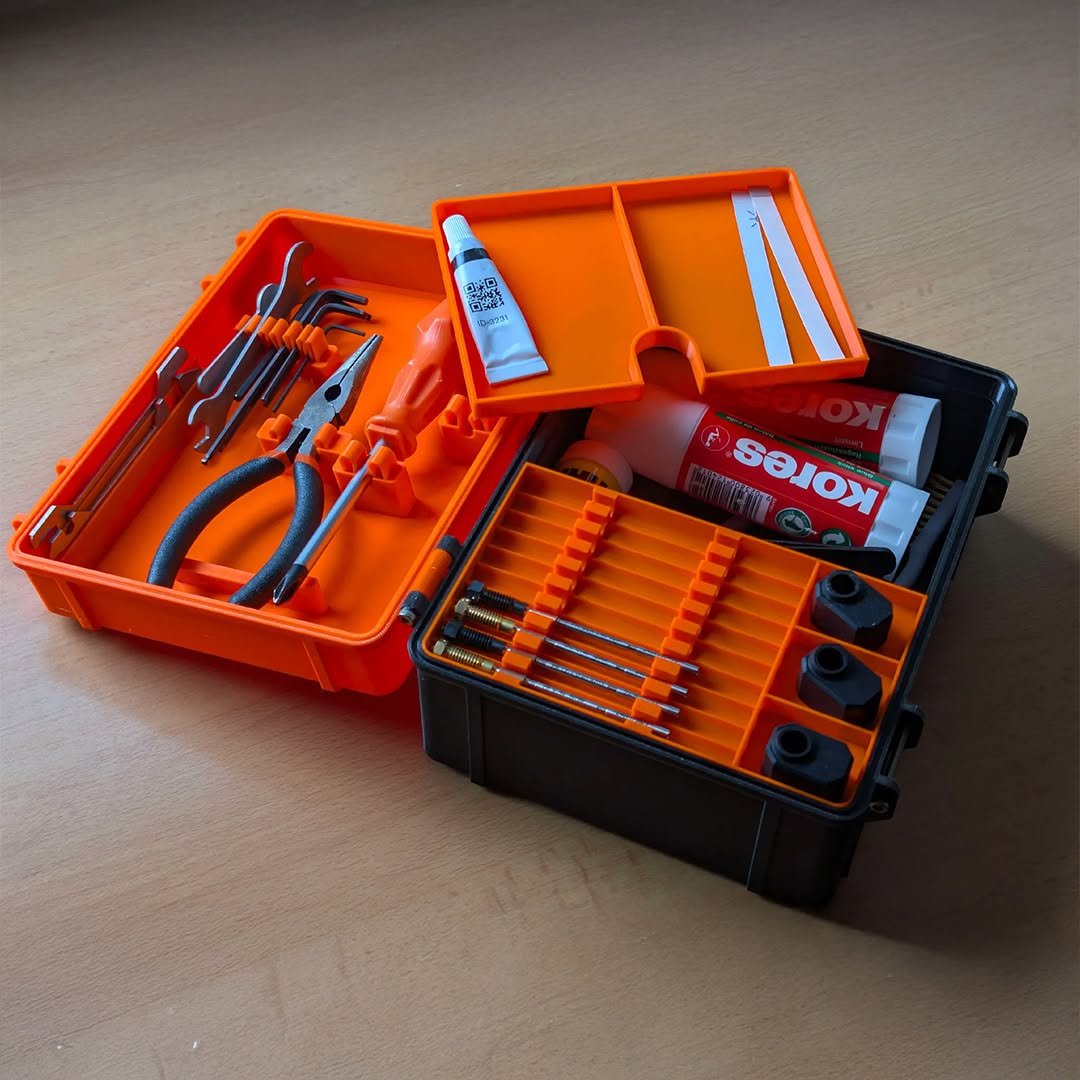
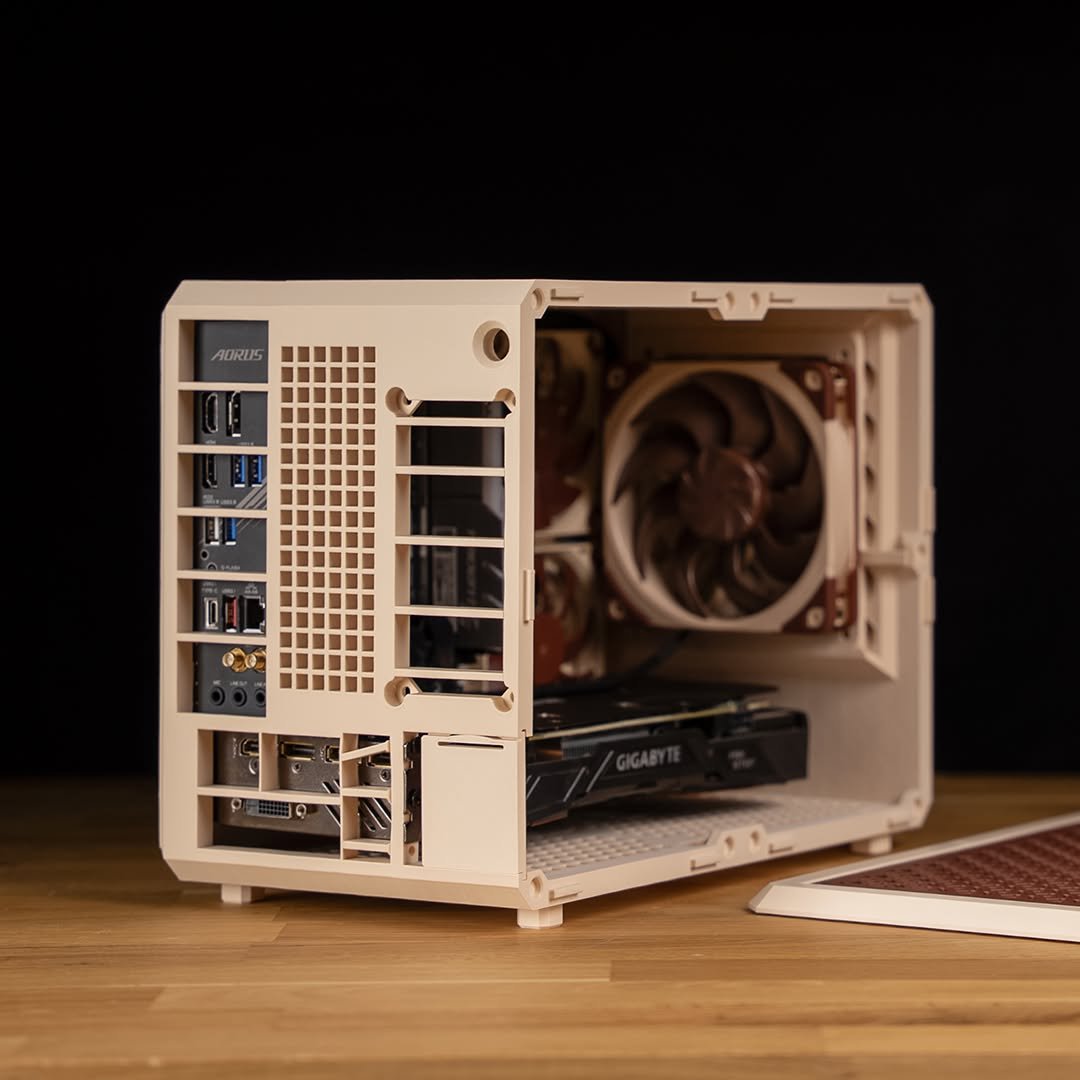
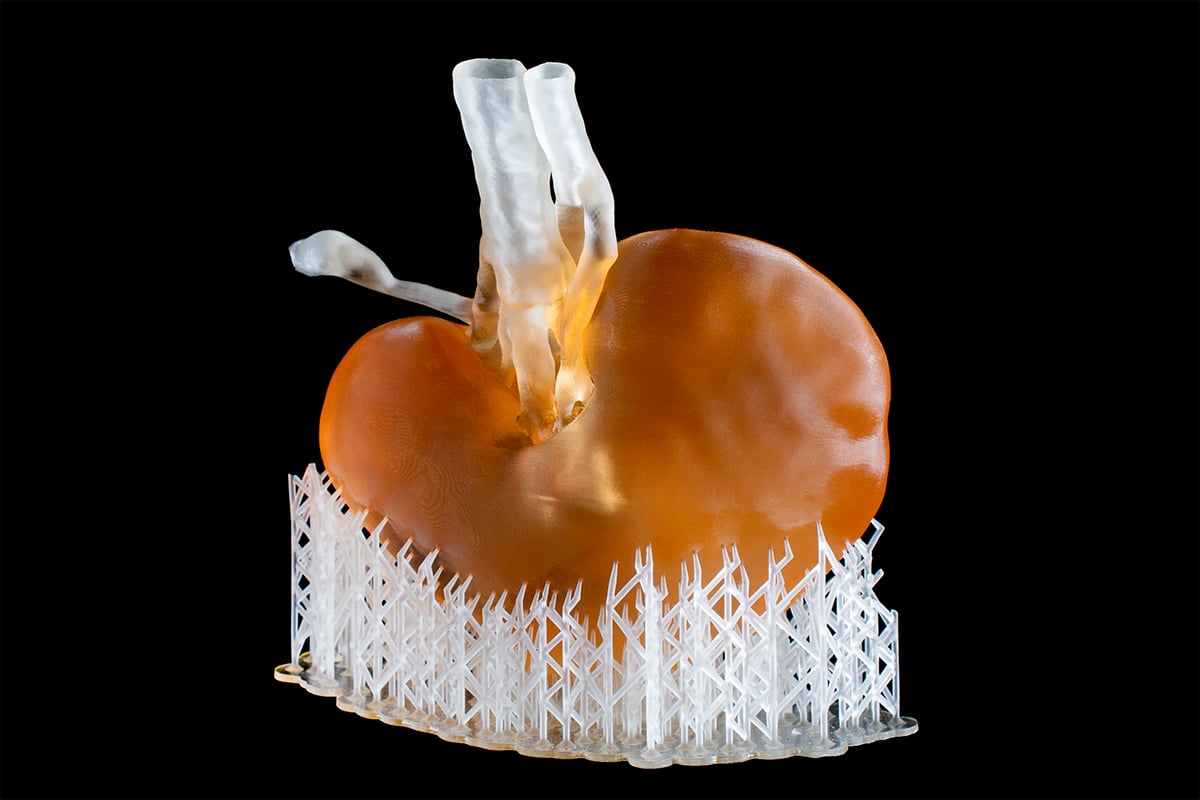
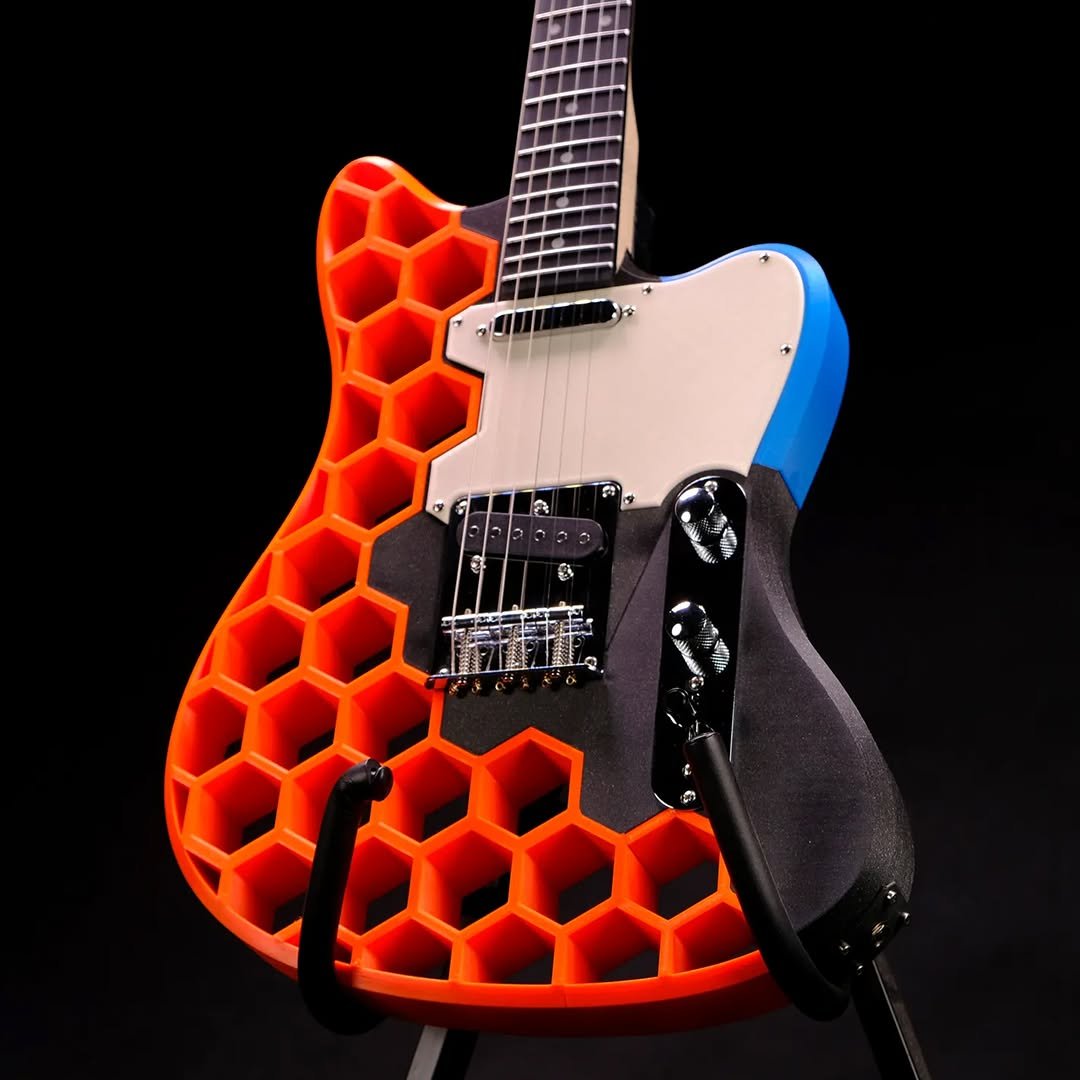
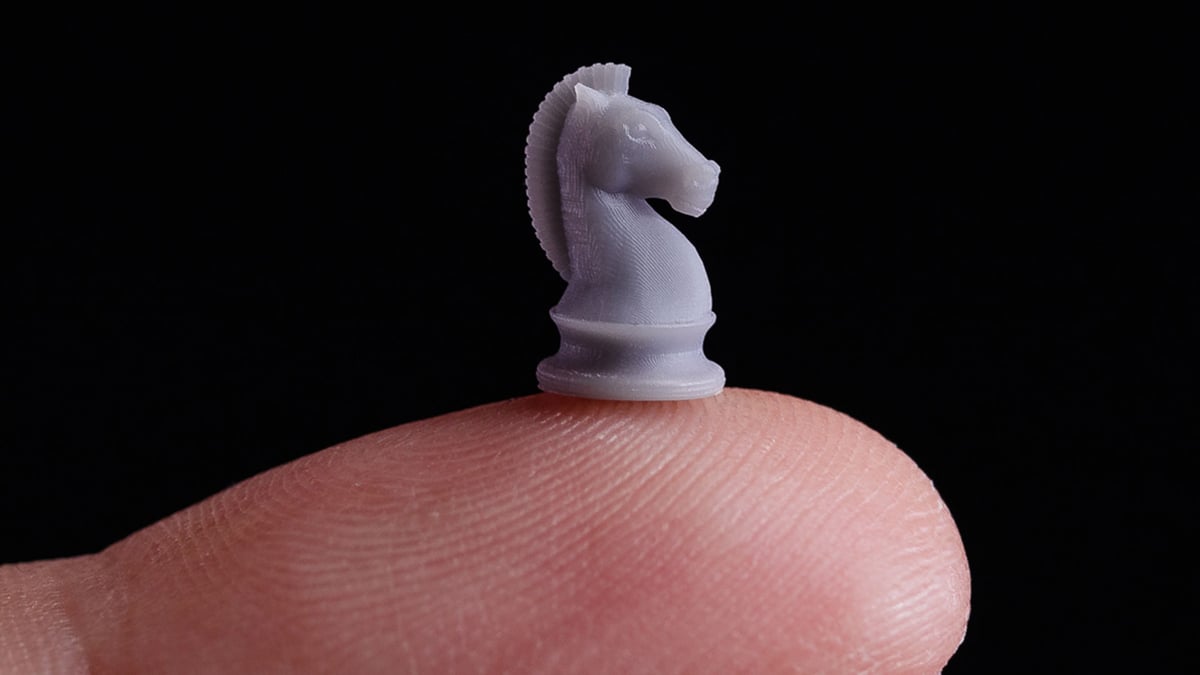
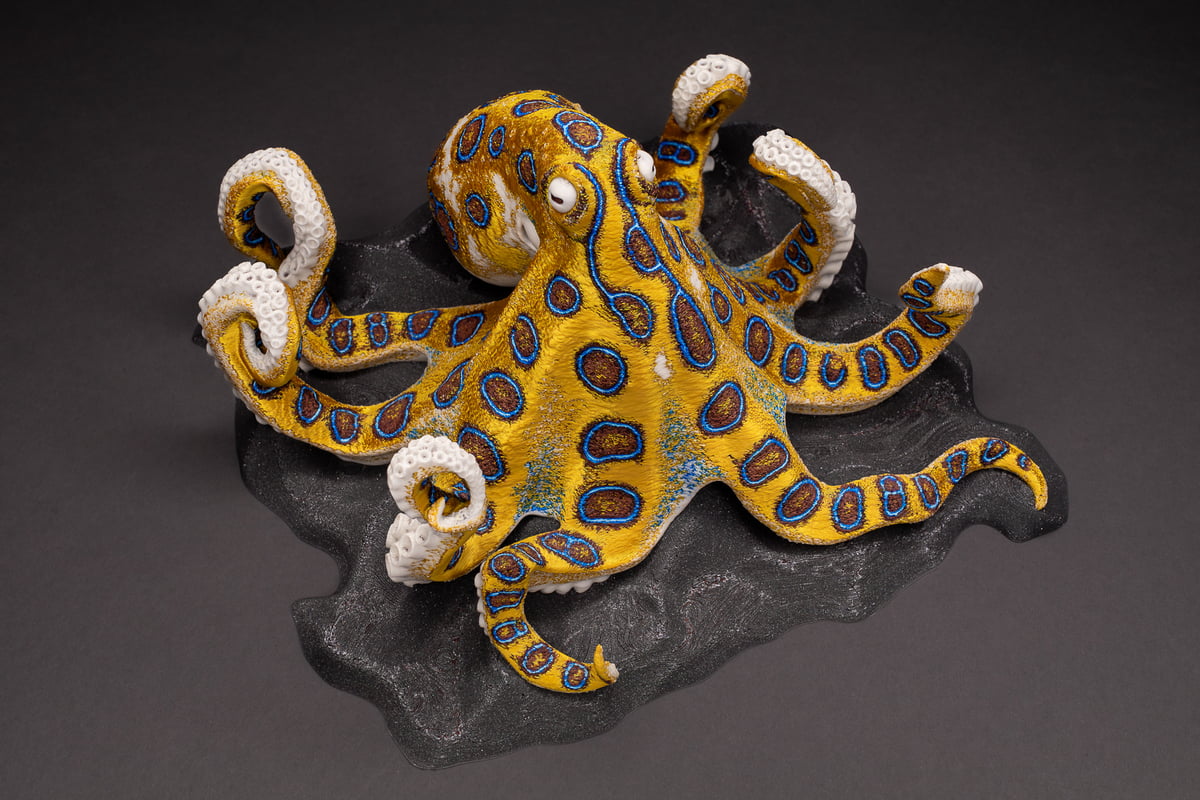
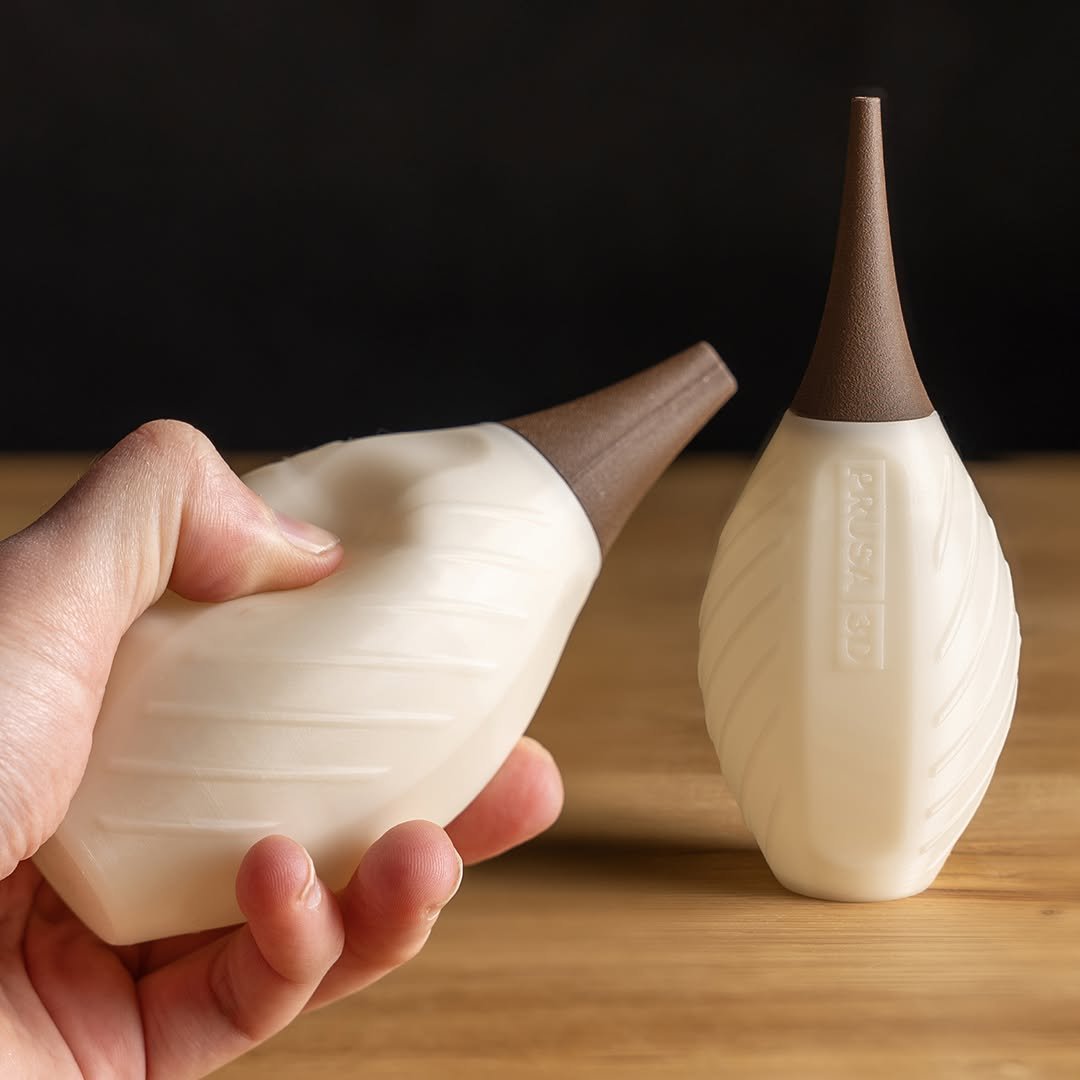
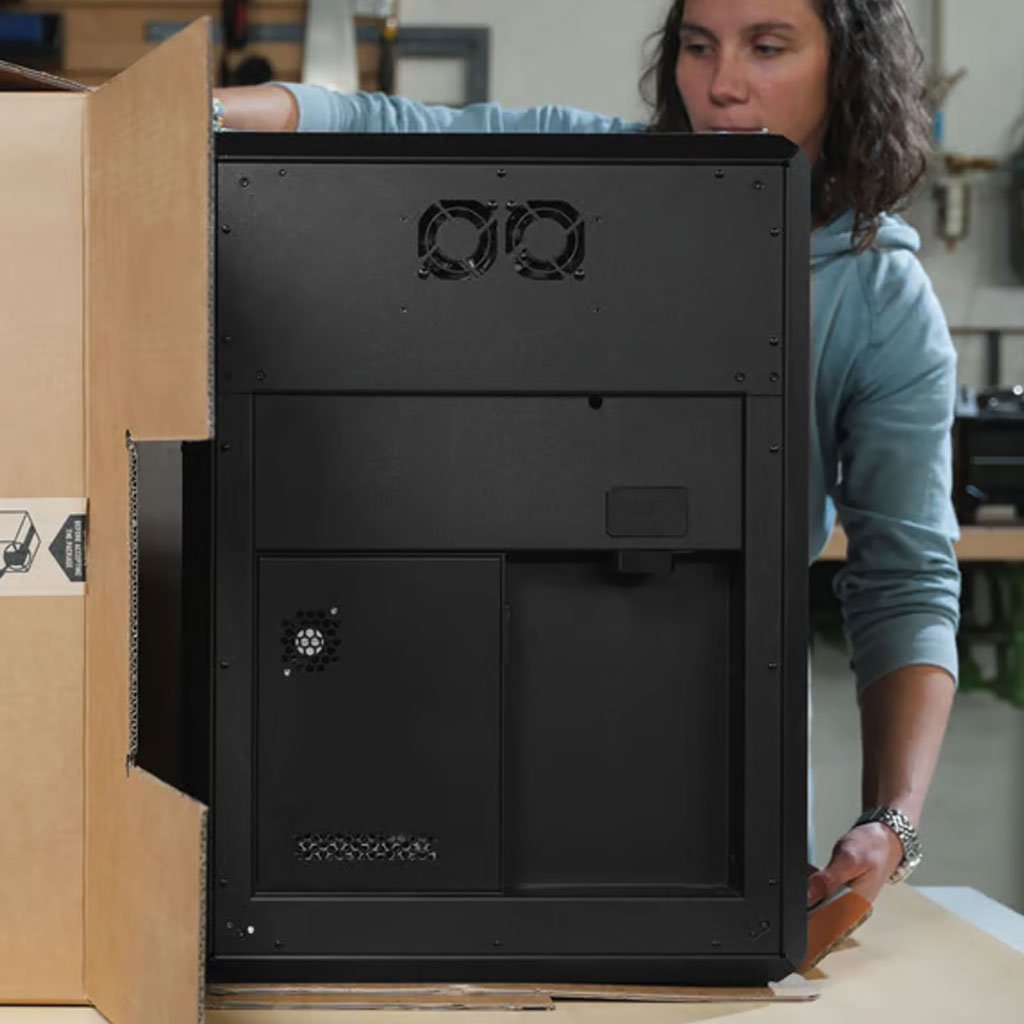
Years ago, 3D printing required tinkering and lengthy calibrations. Nowadays, you can simply unpack a pre-calibrated printer and operate it from your phone.
A modern 3D printer takes under 20 minutes to set up.
Getting started requires no prior engineering or design experience because a massive library of pre-made models is freely available online. When you are ready to create your own unique designs, friendly software makes the learning process gradual and rewarding.
Here is how the system works.
You can download pre-tested designs from a catalog of over a million free models, or design custom parts from scratch using basic design software.
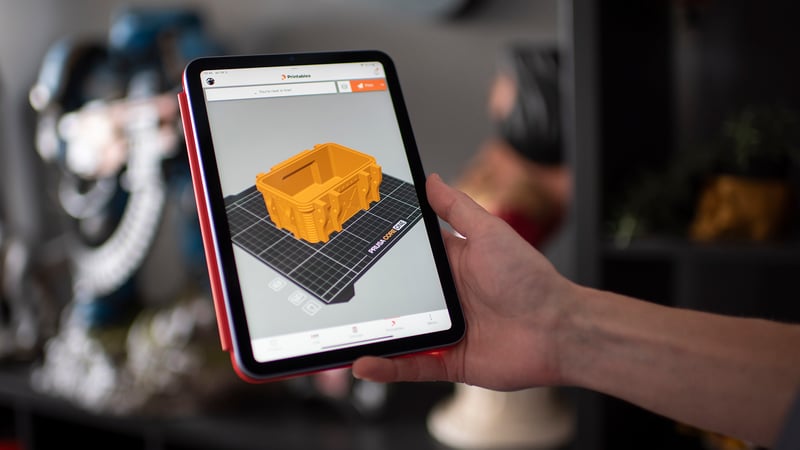
Free software prepares your digital model for physical manufacturing by translating the design into precise movement instructions for your printer.
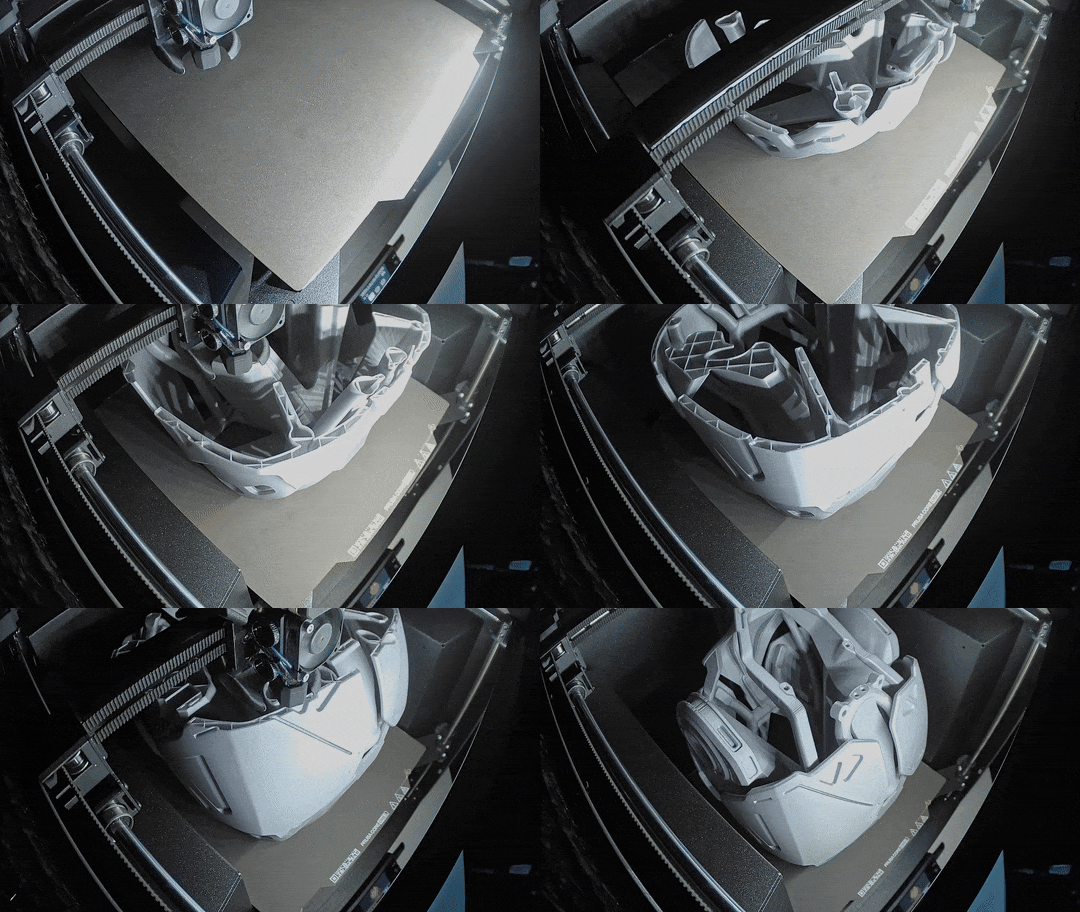
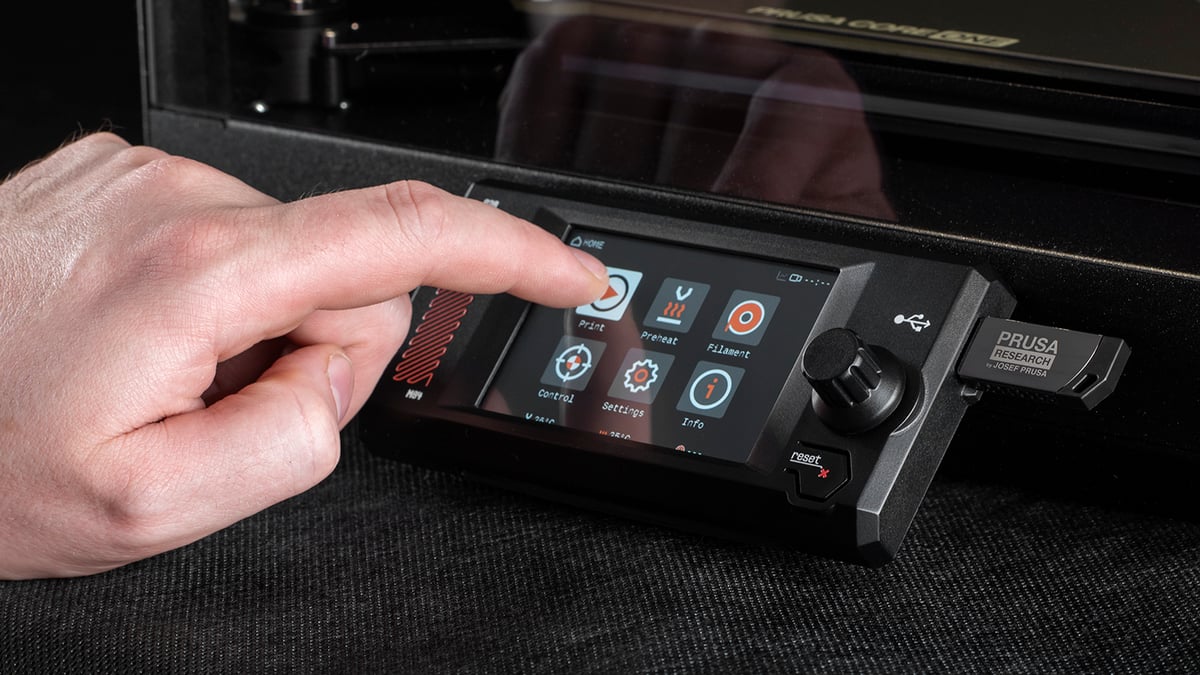
Sending the file to the machine starts the printing process, where you can watch your physical object take shape layer by layer.
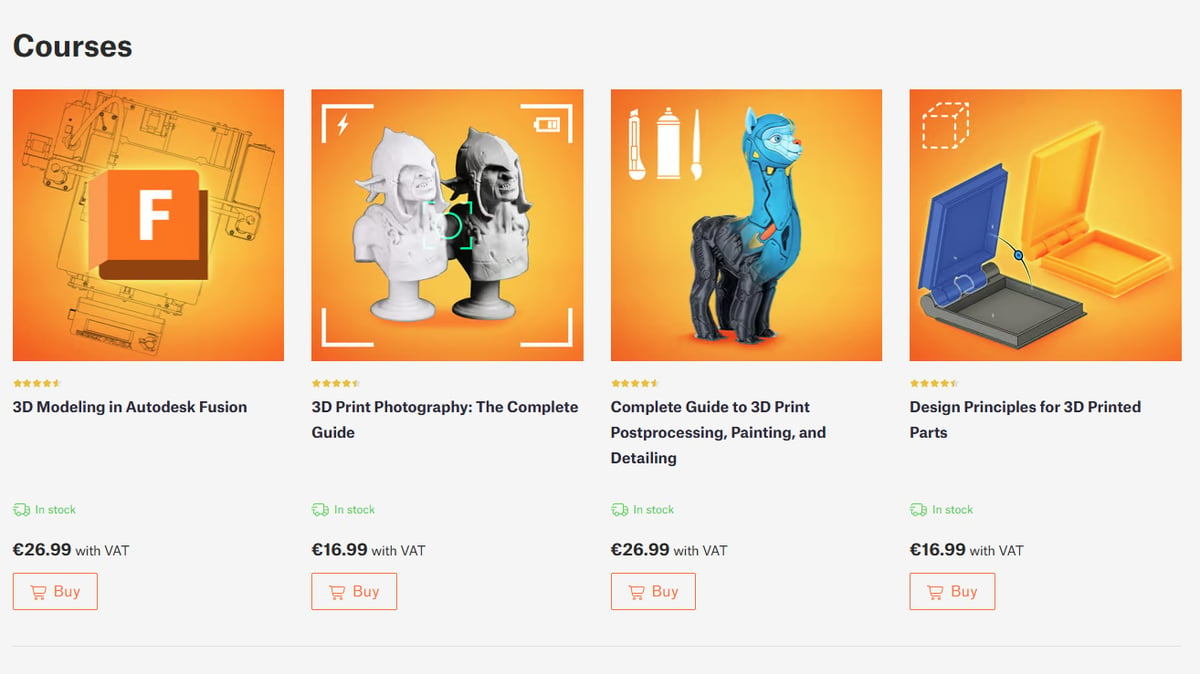
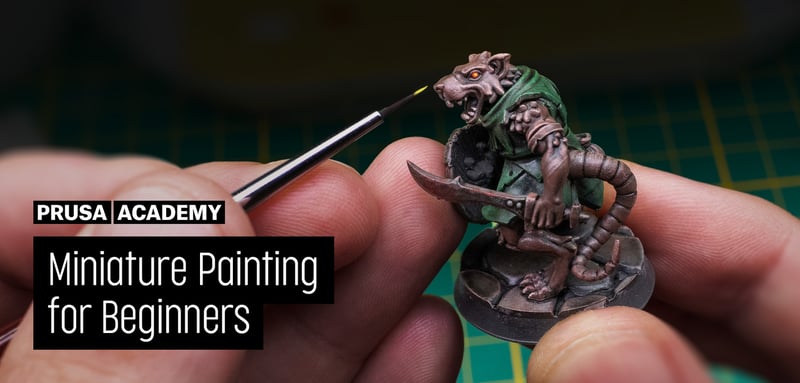
We offer an ever-growing list of Prusa Academy courses: visual step-by-step guides written in an easy-to-understand manner to help you get started with 3D printing - and more!
The courses cover everything from setting up your own 3D printer to designing basics to miniature painting tutorials.
Highly rated, frequently downloaded models from the community.

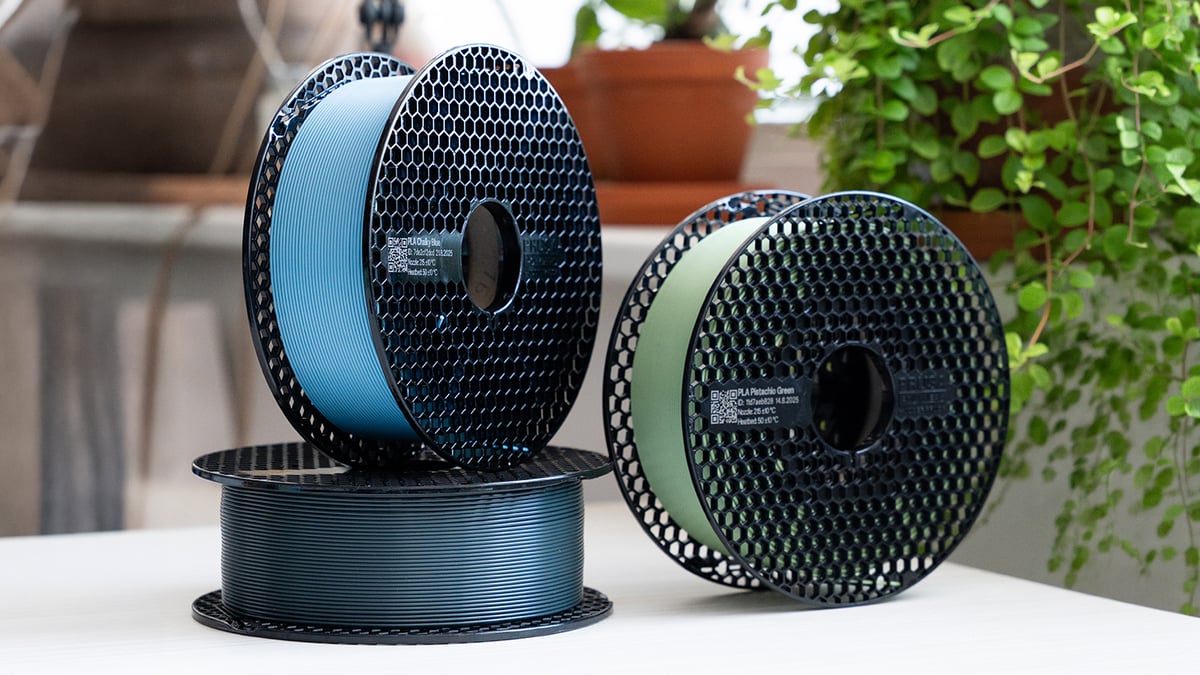
Standard filaments are safe and exceptionally easy to handle, yet advanced varieties offer structural properties that suit demanding engineering projects. Starting a print simply involves placing a spool onto the holder and feeding the filament strand into the automatic feeder.
The Most Universal
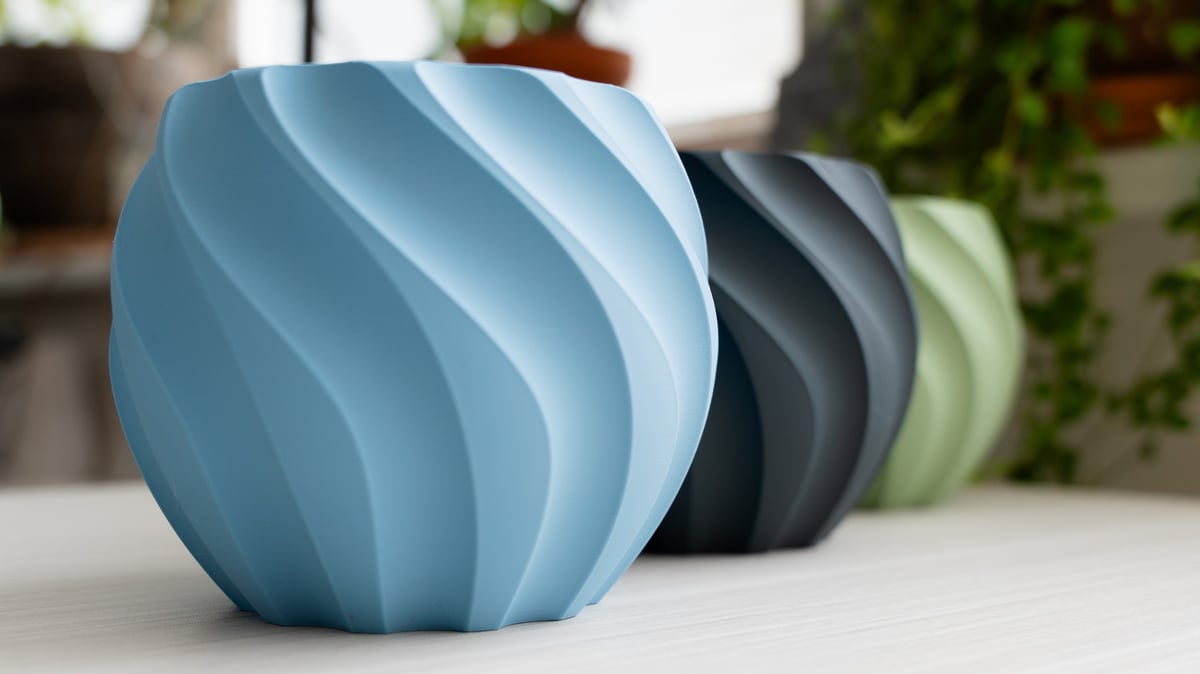
PLA - Pristine Print Quality
Tough & Durable
PETG - For Durable Models
Flexible
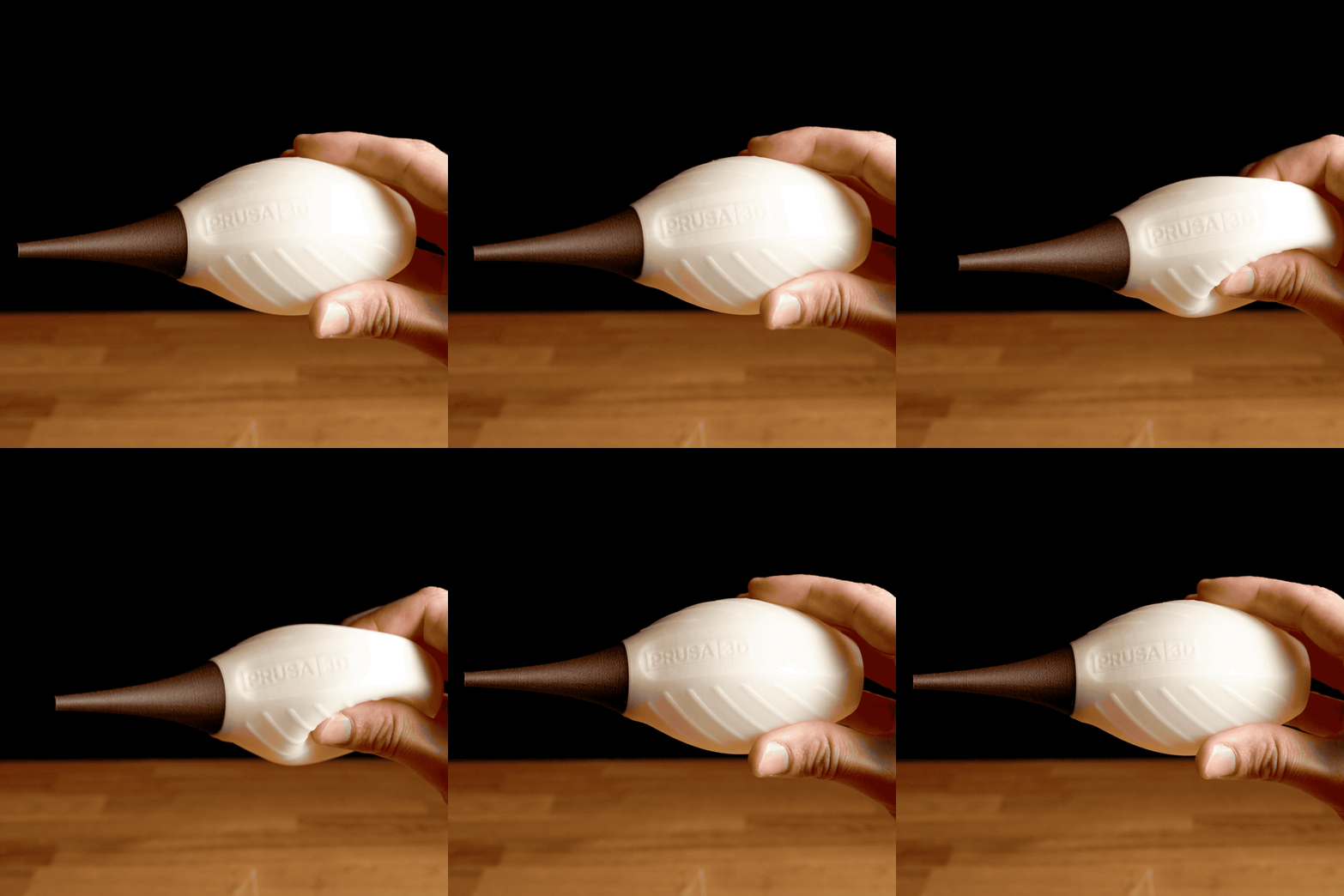
TPU - Things that Bend
UV Stable
ASA - Tough outdoor prints
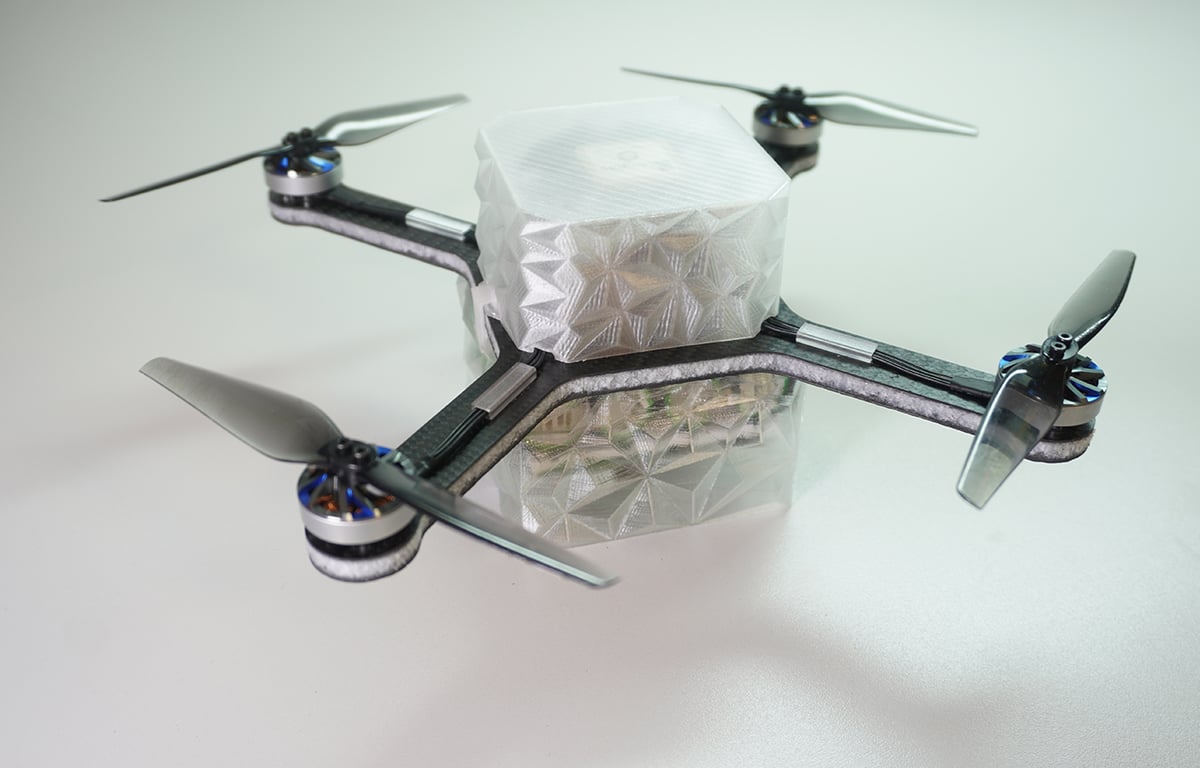
Ready for Space
PC Space Grade: ESD-safe
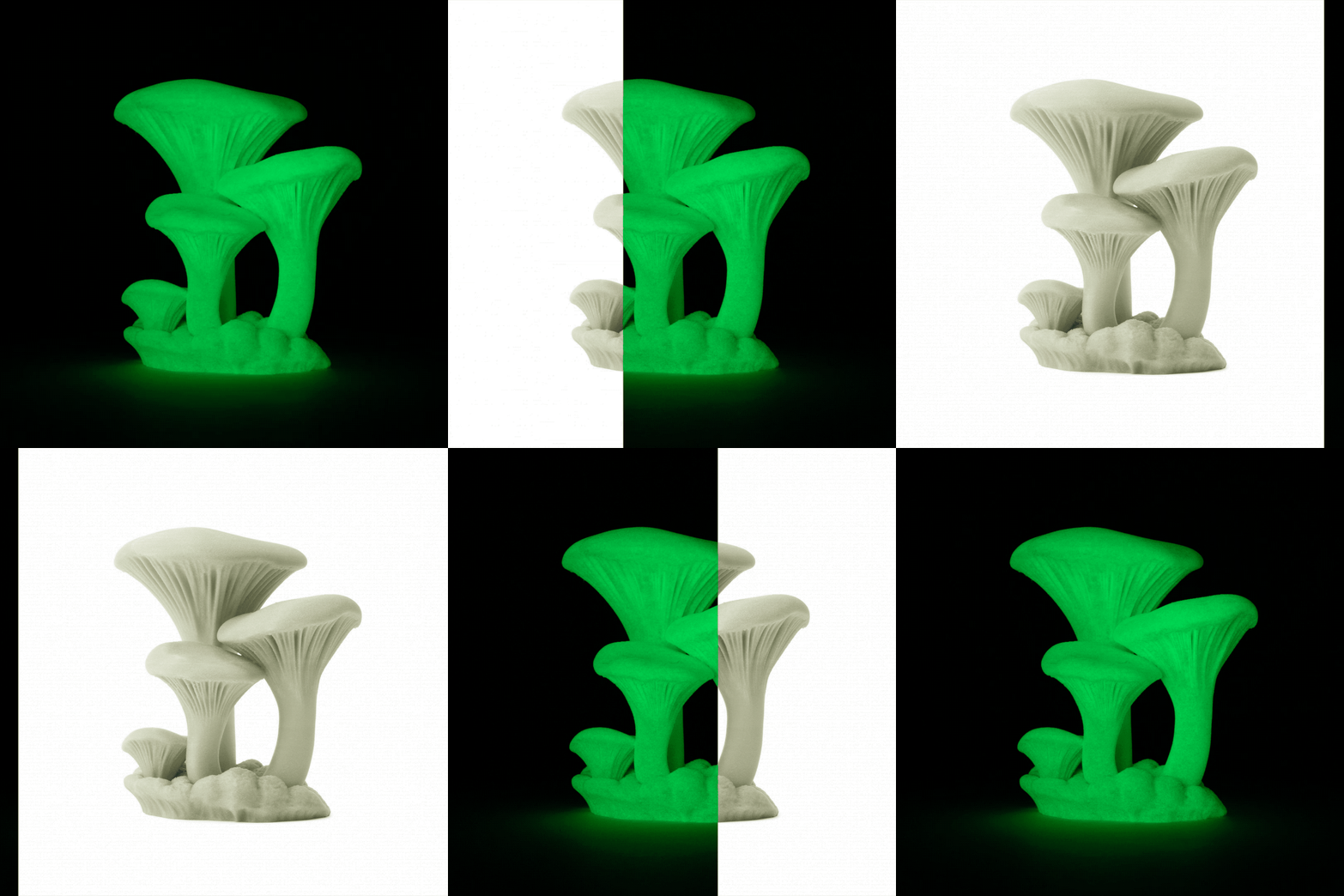
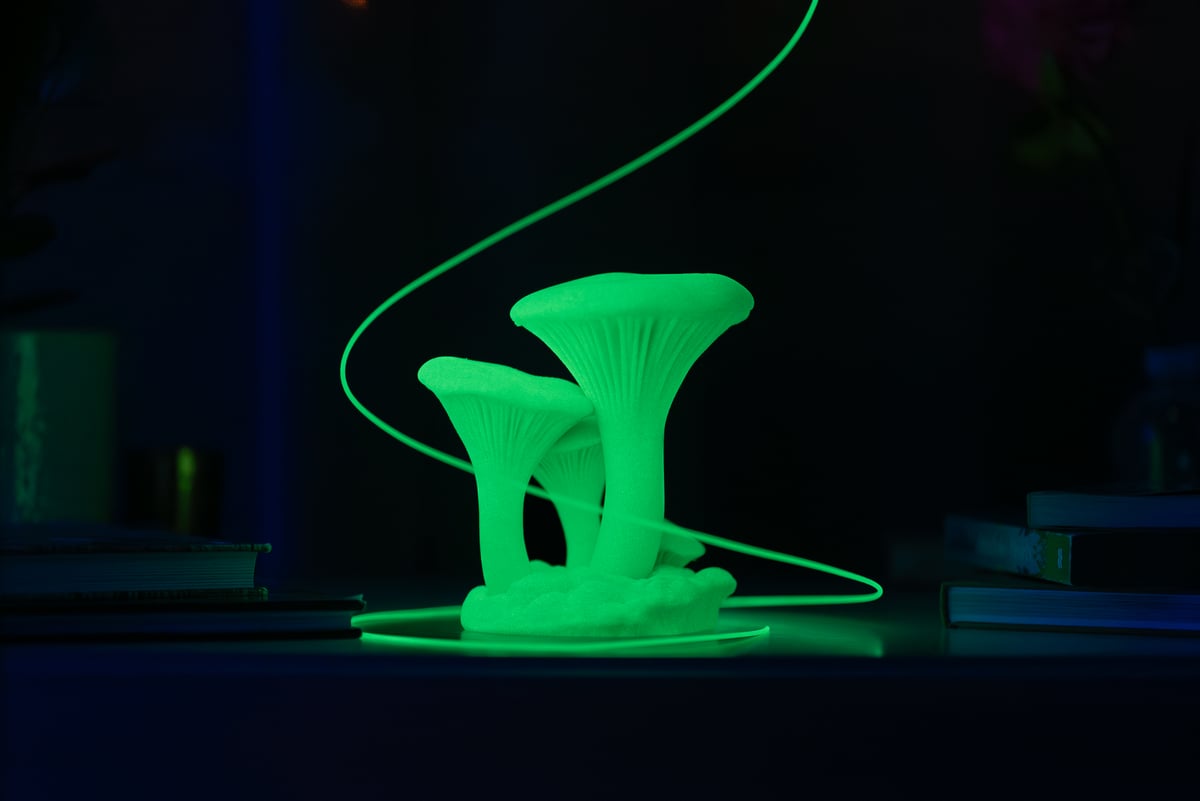
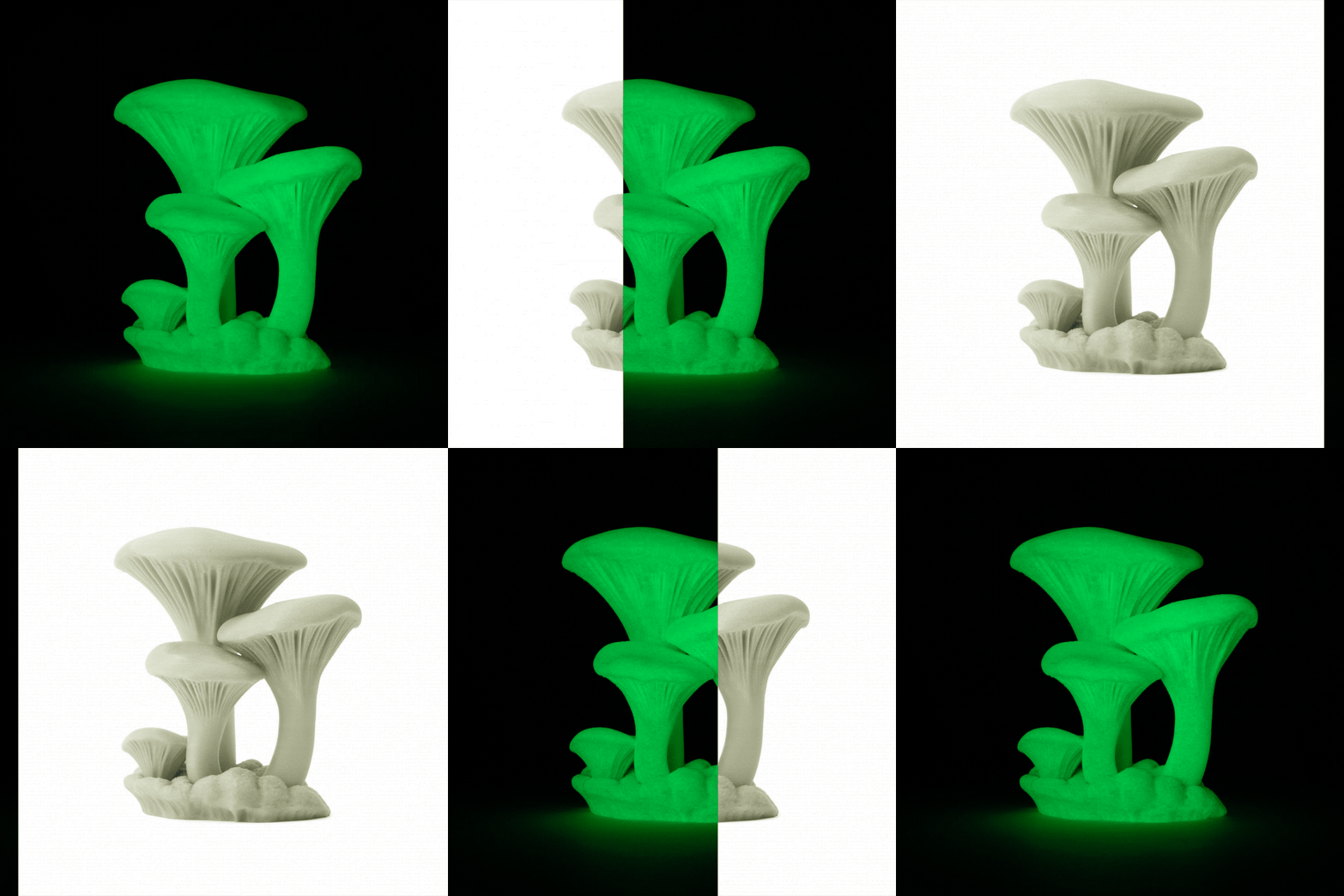
Glows in the Dark
A light for dark places
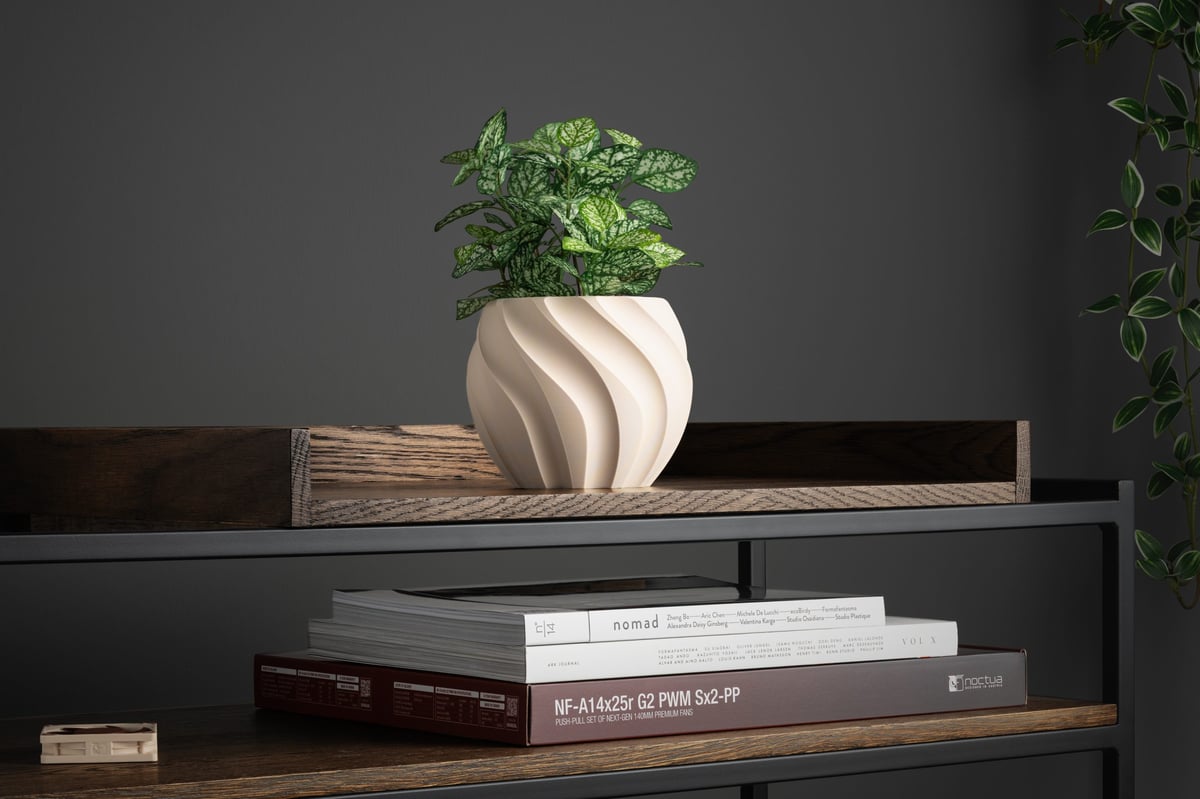
Just like wood
Beautiful surface finish
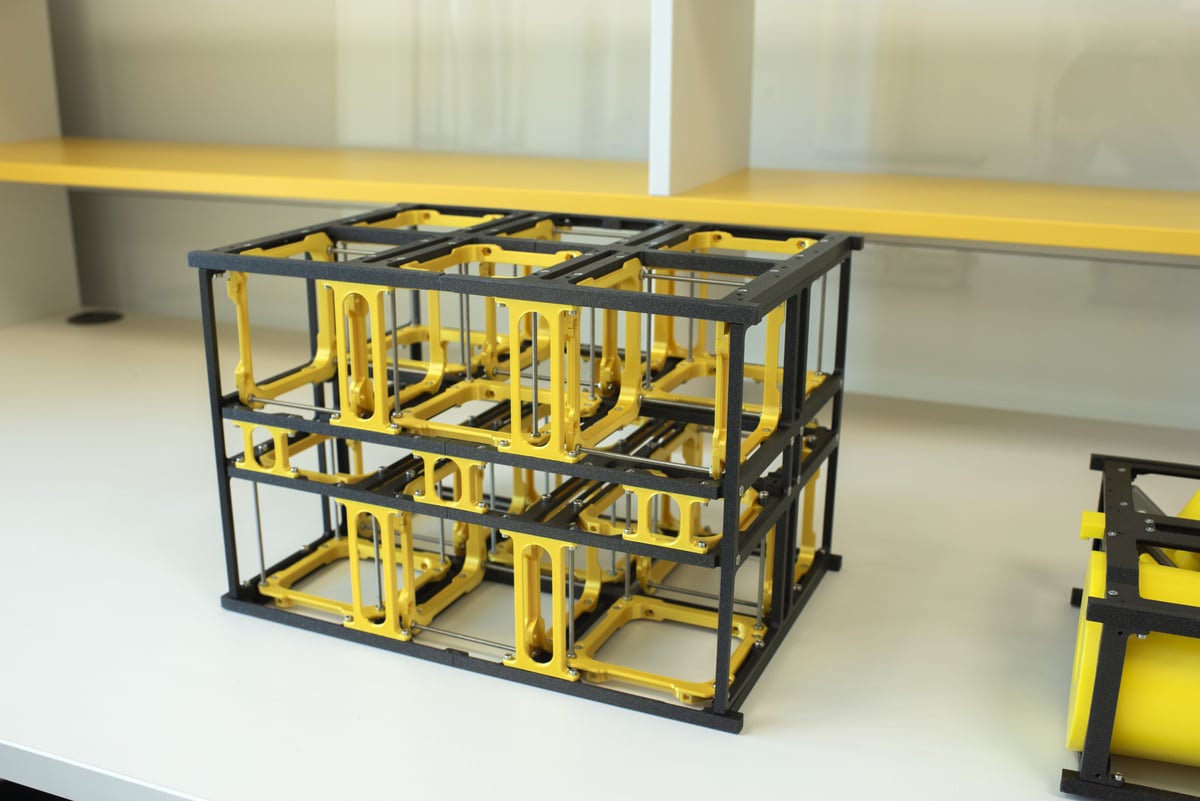
Industrial Grade
PA11 Nylon, PEI (Ultem) & More
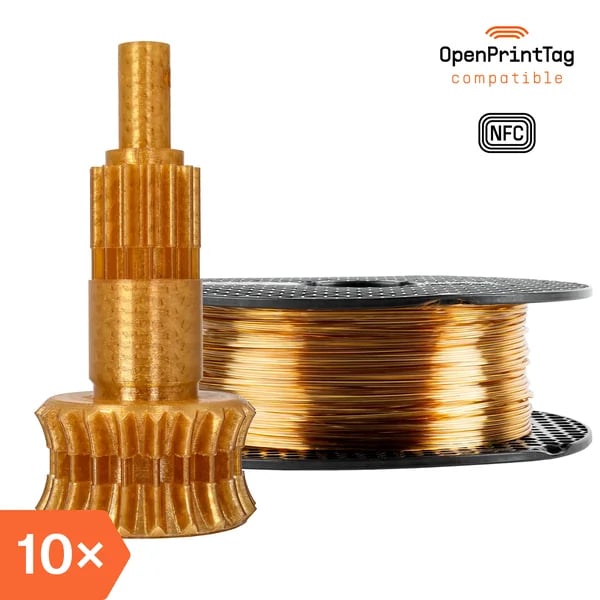
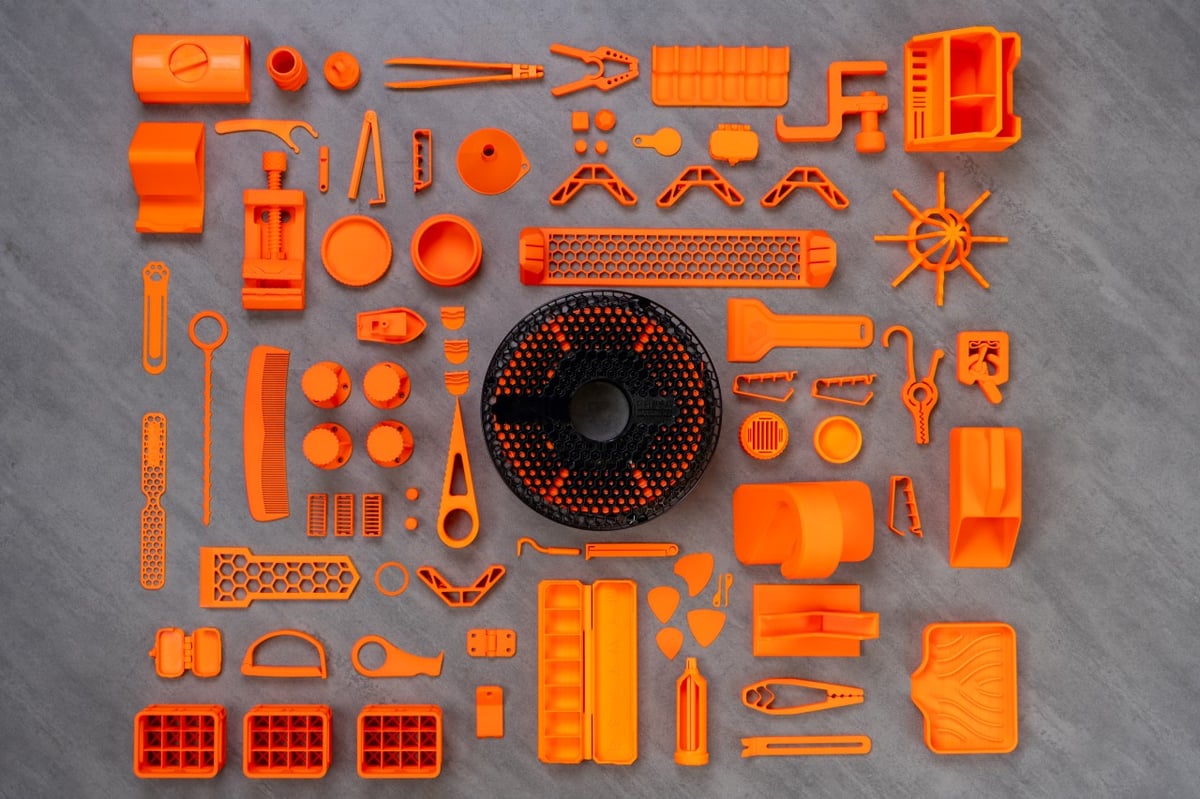
You can print A LOT with a single spool of filament.
One kilogram of filament prints one kilogram of objects - but that's a bit difficult to imagine. Check out the photo to see how many things we printed with a single spool of Prusament - it's over 80 different objects!
Most of the materials listed above can be printed on standard desktop 3D printers. Highly advanced engineering materials may need an industrial-grade machine. Not sure which road to take? Check our guide:
We cover the entire range - from starter printers to highly advanced models.




Visit our blog!