Education Research
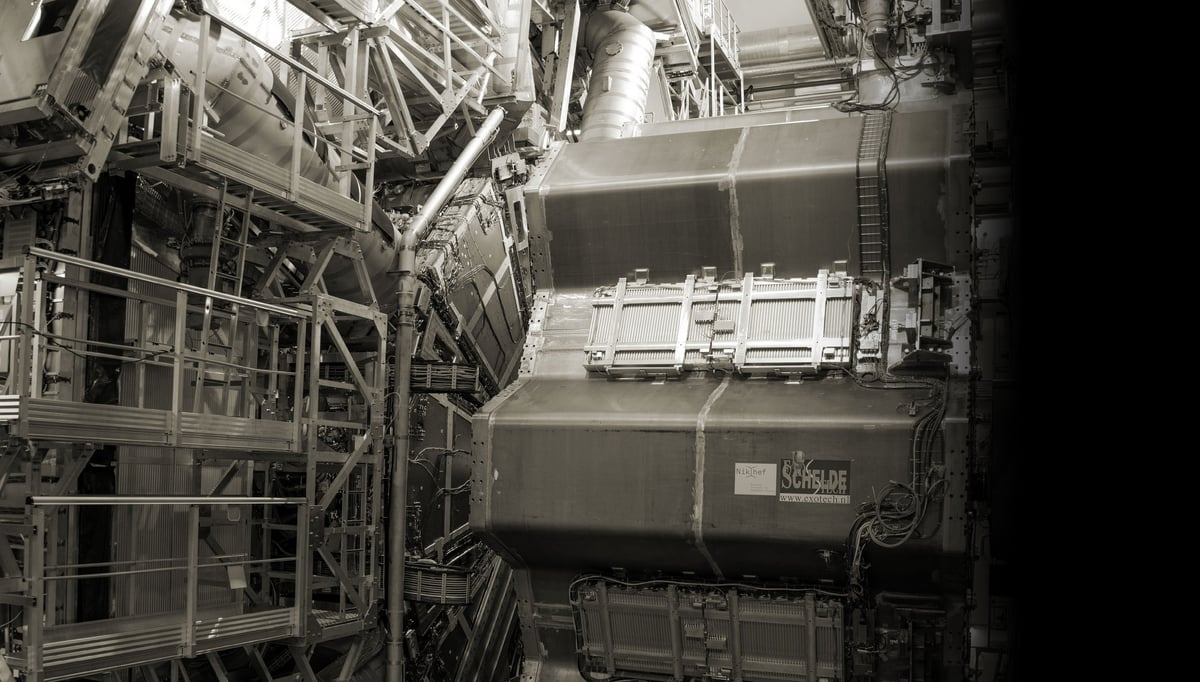
“Nous utilisons beaucoup l'impression 3D. Ce n'est pas seulement pour les tests, nous l'utilisons aussi pour créer des pièces qui vont directement dans les tunnels du Grand collisionneur de hadrons.”
JKJonas KamppMechatronics engineer at CERN
CERN
Read the storyCERN case study in numbers
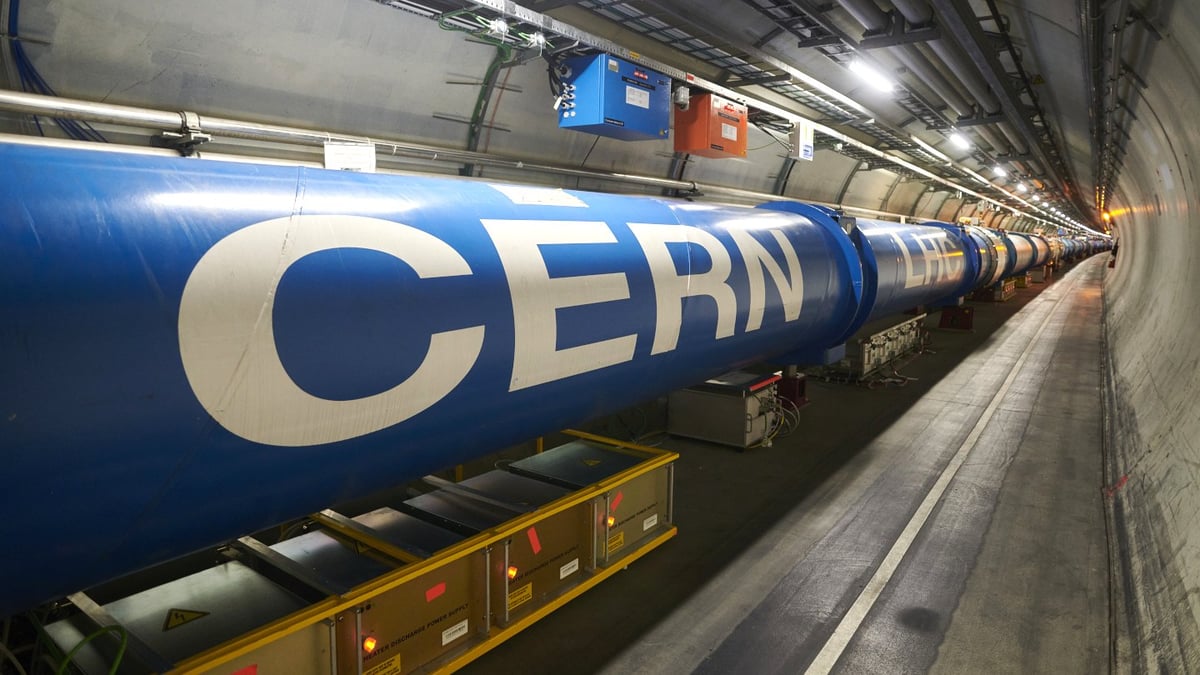
Le CERN, l'Organisation européenne pour la recherche nucléaire, a été fondé en 1954 et se consacre à l'étude des particules fondamentales qui constituent la matière. Les imprimantes Original Prusa fonctionnent dans tous ses départements, et une partie de ce qu'elles impriment va directement dans le tunnel.
- 12,000+people at CERN
- 27 kmthe LHC ring
- 100 munderground
1954year of establishment
CERN was founded in 1954 to study the fundamental particles that constitute matter, and has since earned several Nobel Prizes.
A 27 kilometer machine that the Earth keeps moving
- ProblèmeLe Grand collisionneur de hadrons, enfoui à 100 mètres sous terre et s'étendant sur 27 kilomètres, permet aux scientifiques de tester des prédictions théoriques en physique des particules. Compte tenu de sa taille et de son emplacement uniques, maintenir un alignement parfait pour les expériences est un défi en raison des mouvements de la Terre.
- SolutionLes ingénieurs du CERN conçoivent et produisent les capteurs, les systèmes de contrôle et les accélérateurs pour mesurer et ajuster les positions des grands aimants, assurant un alignement précis. Grâce à l'échelle et à la complexité, il est tout naturel que tout doive être fait sur mesure. L'impression 3D est largement utilisée, non seulement pour les tests, mais aussi pour créer des pièces qui sont installées directement dans les tunnels.
- ValeurL'impression 3D réduit les coûts avec des modèles utilisés directement dans le LHC et accélère la création de pièces pour des environnements extrêmes.

A bead that carries a wire for 200 meters
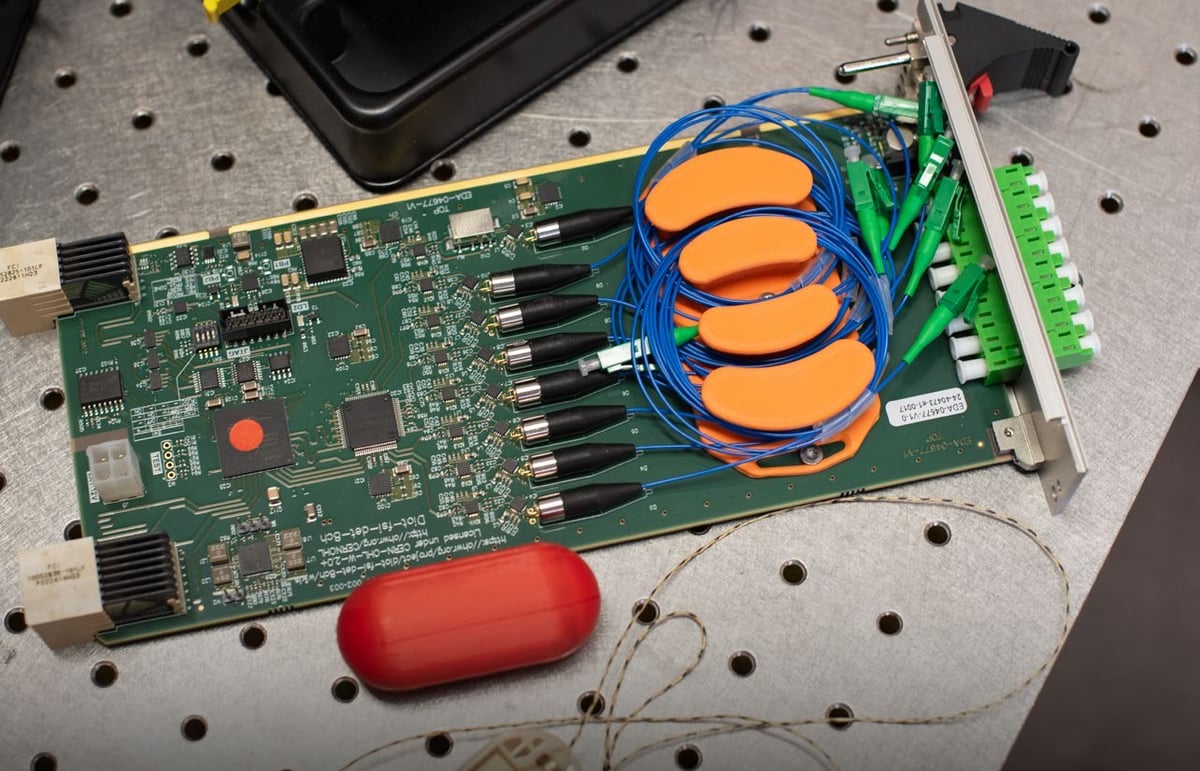
- ProblèmeLes distances dans une partie critique du LHC sont mesurées par un fil fragile s'étendant sur 200 mètres. De nombreux équipements utilisent des fibres optiques fragiles, qui doivent être protégées pour éviter les courbures prononcées qui pourraient casser les fibres et perturber les signaux.
- SolutionUne perle fabriquée sur une imprimante 3D Original Prusa transporte le fil et le protège des dommages. Autour d'elle, des boîtiers et des guides imprimés protègent l'optique : le module de photodétection FSI possède un composant imprimé qui organise les fibres optiques en bobines soignées afin qu'elles ne se plient jamais brusquement.Imprimé surPrusa CORE One
- ValeurCe ne sont pas des modèles de pièces. Ce sont les pièces, dans le tunnel, qui effectuent les mesures, imprimées parce qu'à cette échelle, tout est de toute façon unique.

Test it in plastic before you commit the expensive material
- ProblemLes nouveaux composants pour le LHC doivent être minutieusement testés pour vérifier la fiabilité des outils avant d'utiliser des matériaux plus coûteux.
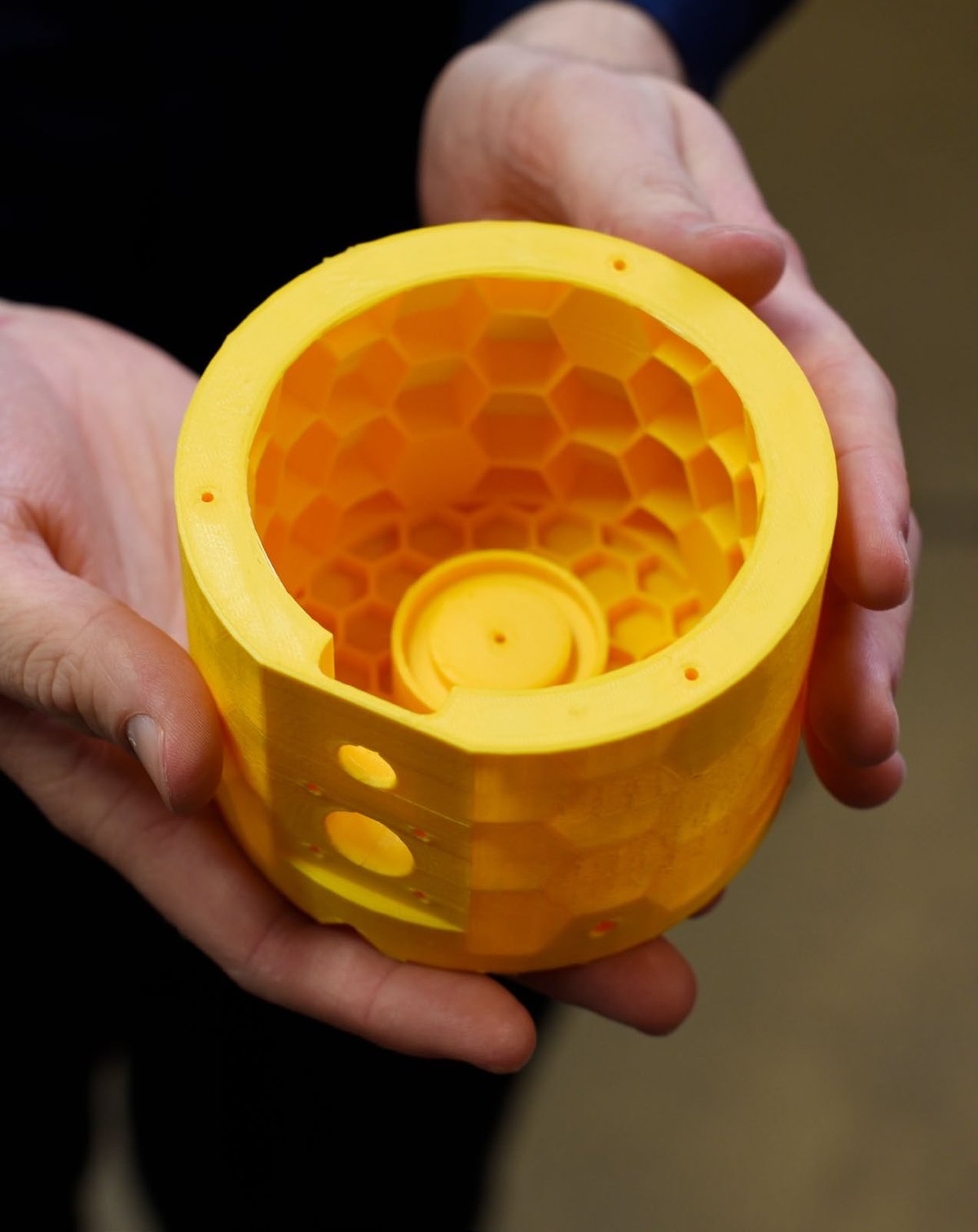
- SolutionL'impression 3D est cruciale pendant la phase de test. Une première impression de test de faisabilité pour un capteur de système de nivellement hydrostatique a été réalisée pour explorer la conception. Un connecteur prototype pour les capteurs du système de positionnement de fil a suivi le même chemin. Les connecteurs de tubes imprimés sont fabriqués sur mesure et restent facilement modifiables, une propriété qu'une pièce usinée perd dès qu'elle existe.Printed withPrusament PETG
- ValueSouvent, ces modèles imprimés sont même utilisés comme produits finaux. Cela réduit l'utilisation de matériaux coûteux lors des tests de prototypes et produit rapidement des prototypes à usage final pour des projets à enjeux élevés.

Changing the sample without turning the beam off
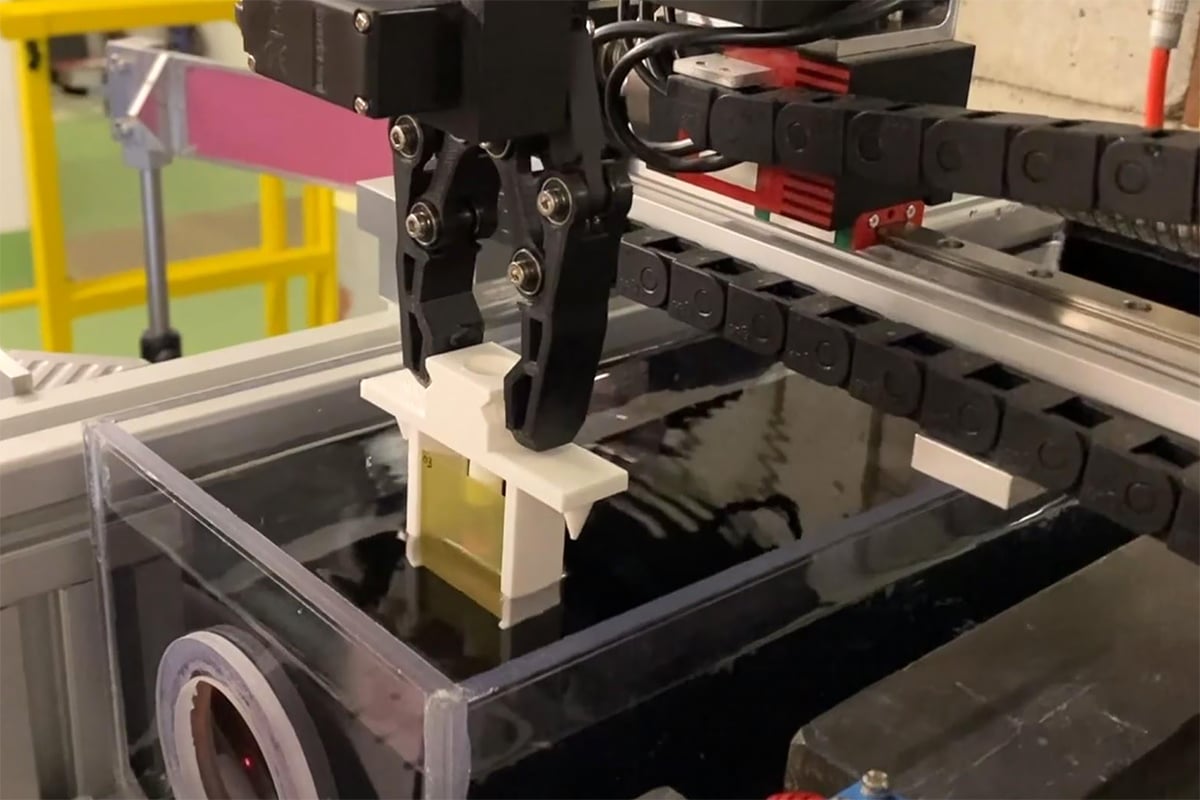
- ProblemL'accélérateur CLEAR du CERN dirige un faisceau de rayonnement sur des cellules cancéreuses pour la recherche sur le traitement du cancer. L'expérience nécessite des changements rapides d'échantillons, et avec le rayonnement dans la pièce, la sécurité humaine passe avant tout. Le projet VITO a le même problème sous une forme différente : des échantillons liquides dans un environnement de vide poussé, où l'ouverture et la fermeture de l'équipement pour en changer un coûtent du temps.
- SolutionÀ IdeaSquare, un atelier qui relie l'innovation scientifique aux besoins sociétaux, une solution robotique imprimée en 3D a été développée pour échanger les échantillons efficacement et en toute sécurité sans interrompre le faisceau. Pour VITO, un support spécial et un capillaire de 8 mm imprimé en 3D permettent de changer les échantillons sans arrêter l'expérience.Printed onOriginal Prusa MK4S
- ValueThe beam keeps running, the people stay out of the room, and the experiment stops waiting for its own housekeeping.
“3D printing allows scientists and engineers to quickly create prototypes and push the boundaries of what is possible.”
Dina Zimmermann, Structural engineer at IdeaSquare, CERN

Could your lab print the part instead of waiting for it?
Tell us what you are building. We will come back with the machines, the materials and the parts other research groups print first.
Still not sure where 3D printing fits your lab?
See what other organizations print, a classroom, a hangar, a car plant, a trauma center.

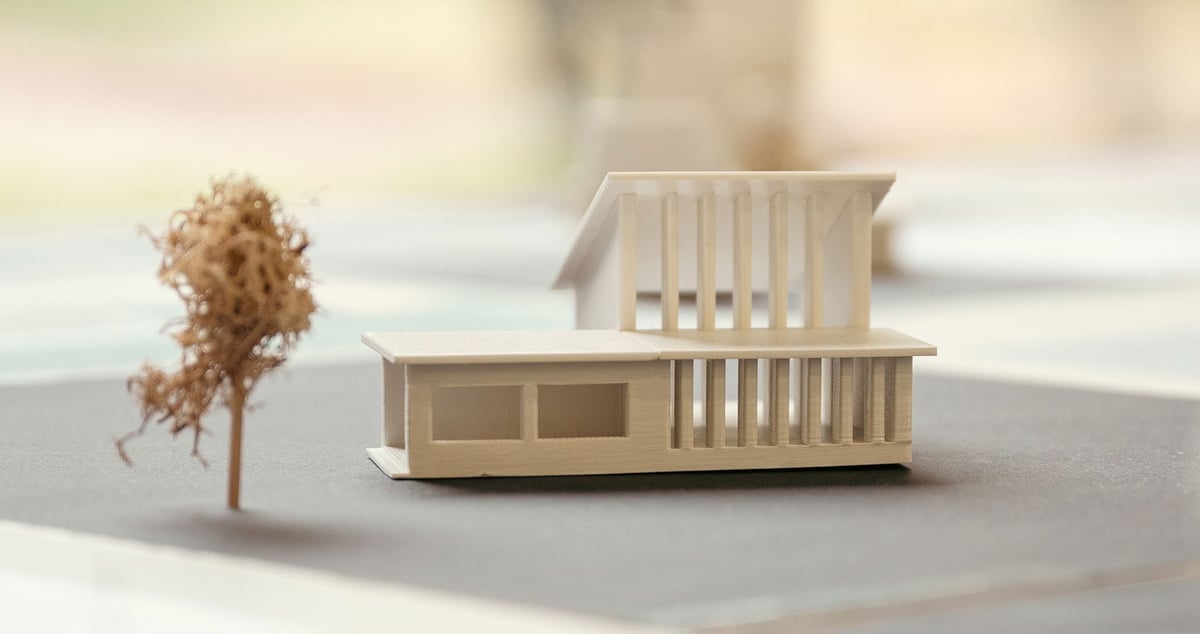

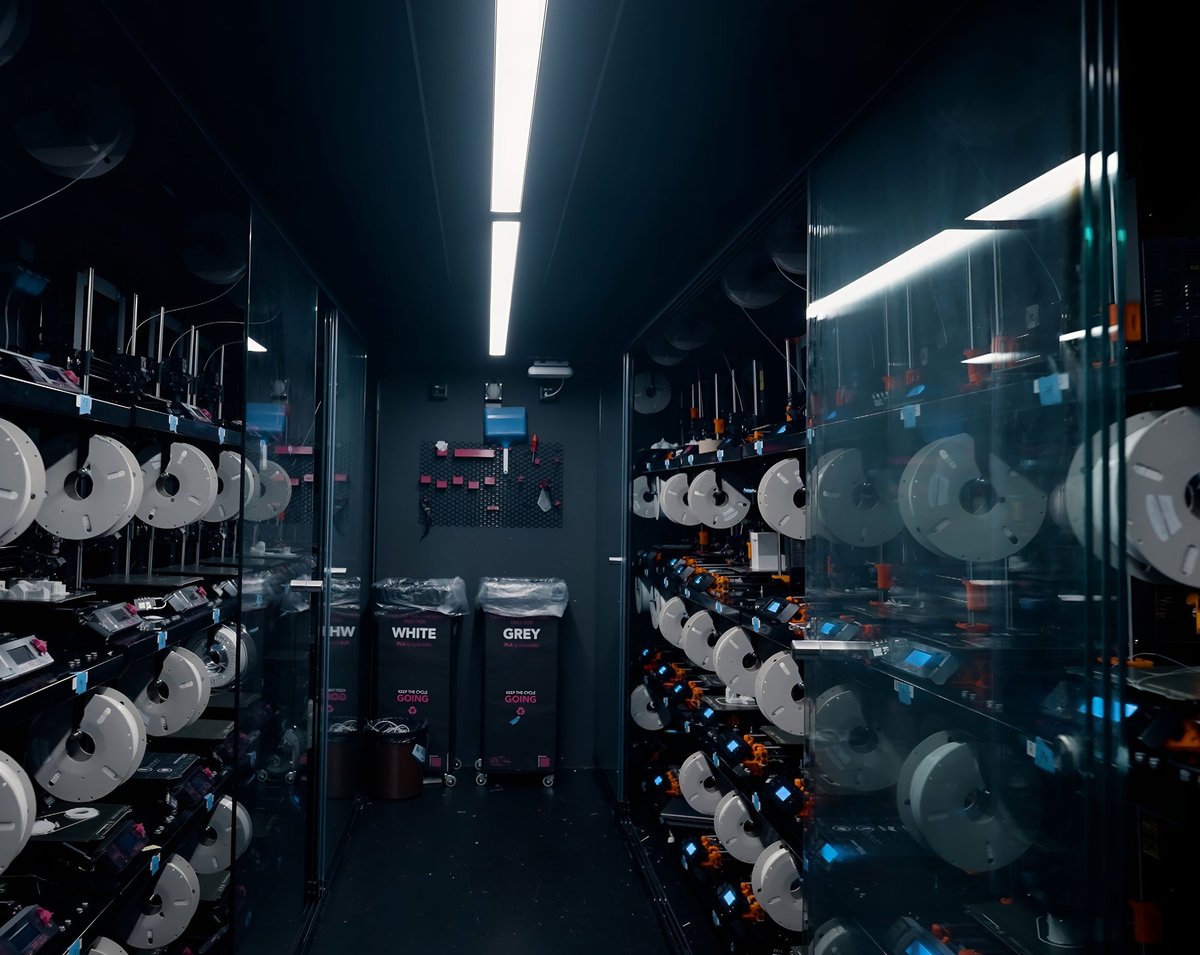



Customer story ETH Zurich
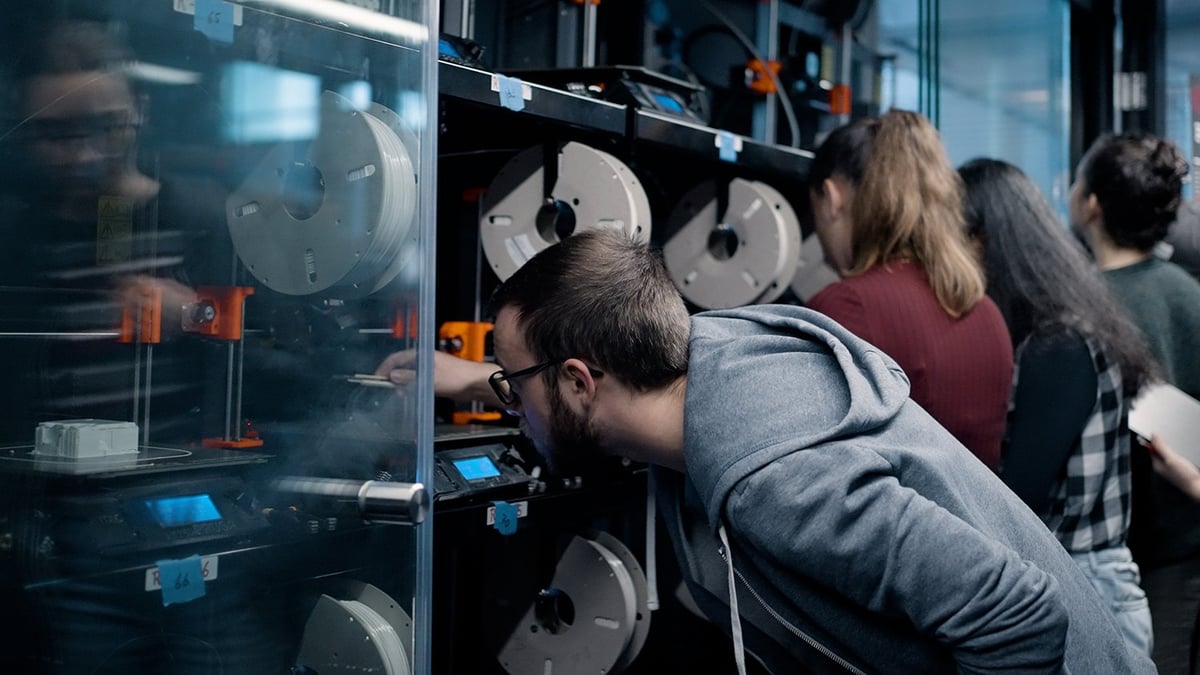
Every one of ETH Zurich’s 100+ printers was built by a student
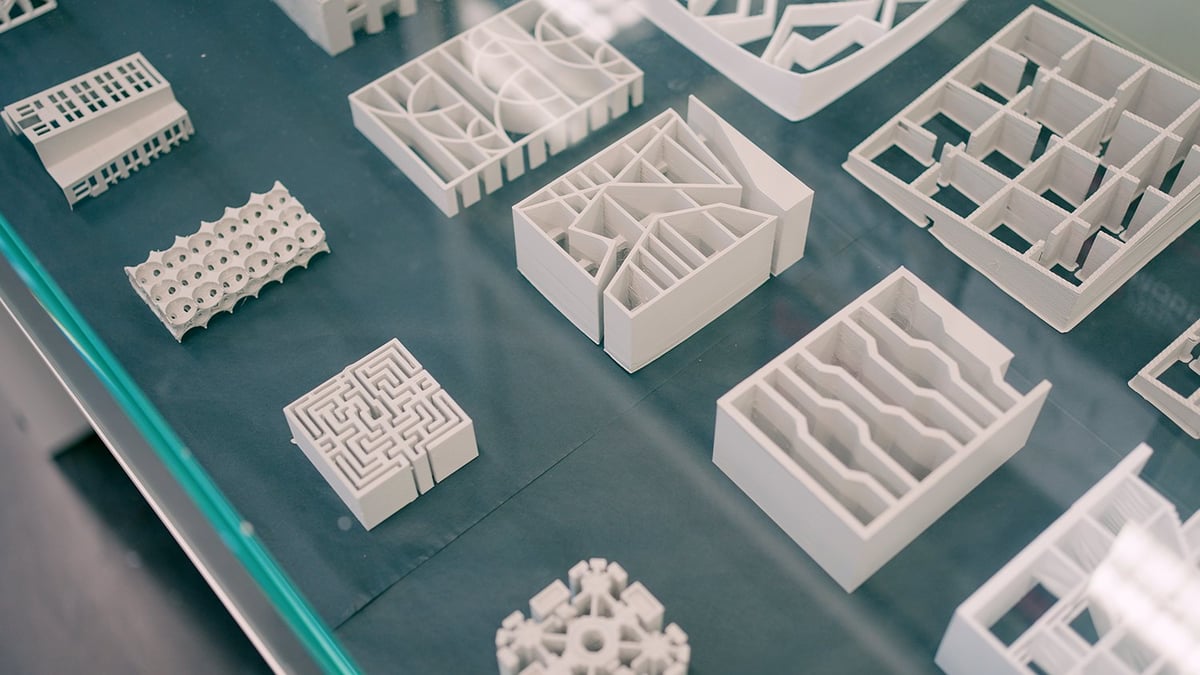
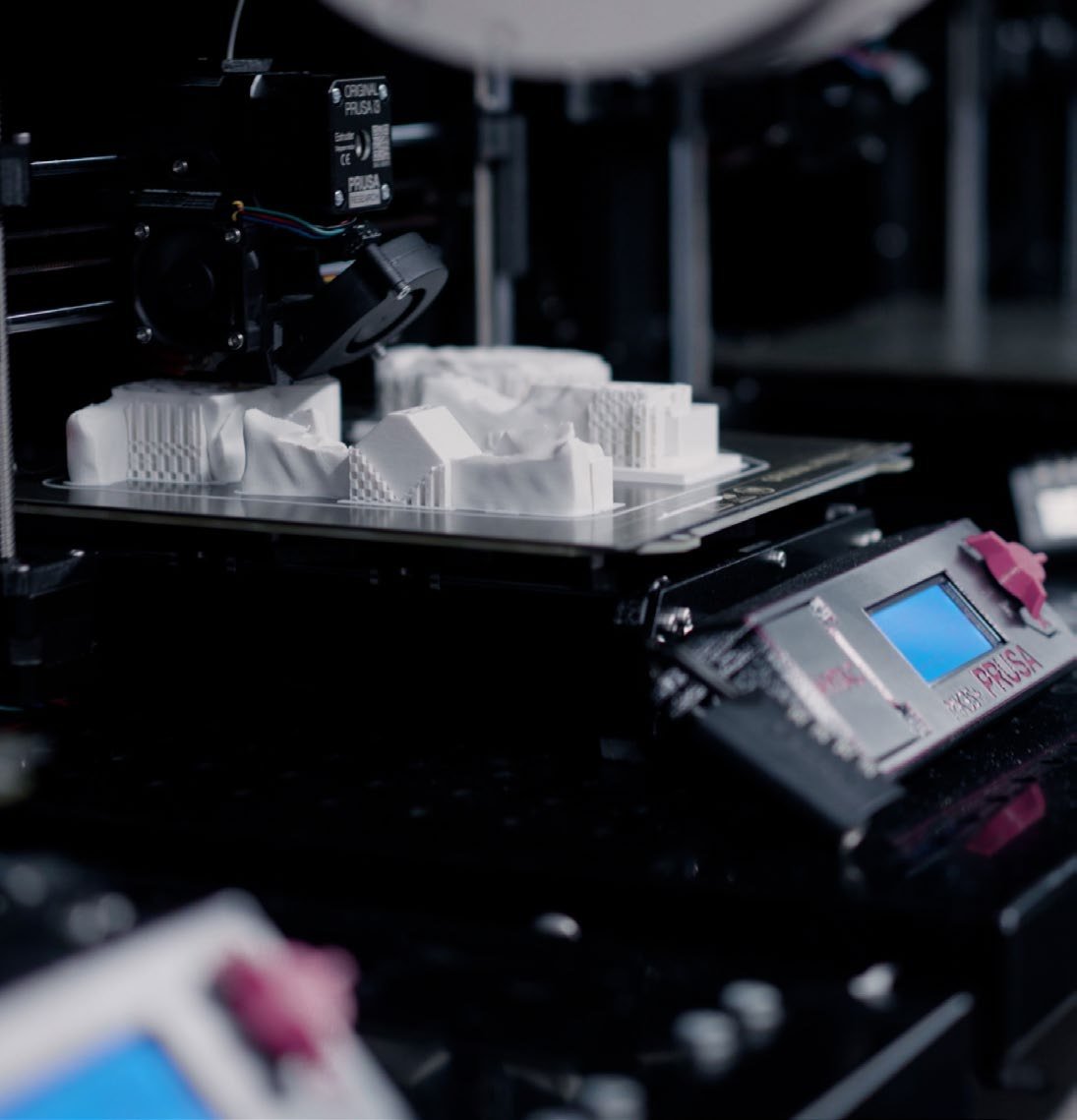
The architecture department’s HYTAC programme trains 300+ students a term, and each of them assembles an Original Prusa kit in two days before printing anything. It started as a maintenance problem: the university could fund the machines, but not the people to keep them running.
- 100+Original Prusa printers
- 300+students trained per term
- 20printers replaced each year
“I cannot imagine a world without 3D printing. It just would not work!”


1 / 4
Your team’s questions, answered
What researchers and engineers usually ask before deploying printed parts.
Research Engineer
Prototyping and final use
Lead Scientist
Extreme environments
Facility Manager
Customization