Edukacja · Badania
“Druk 3D pozwala naukowcom i inżynierom szybko tworzyć prototypy i przesuwać granice tego, co jest możliwe.”
DZDina ZimmermannInżynier konstrukcyjny w IdeaSquare, CERN
CERN
Przeczytaj historięCERN, in three numbers
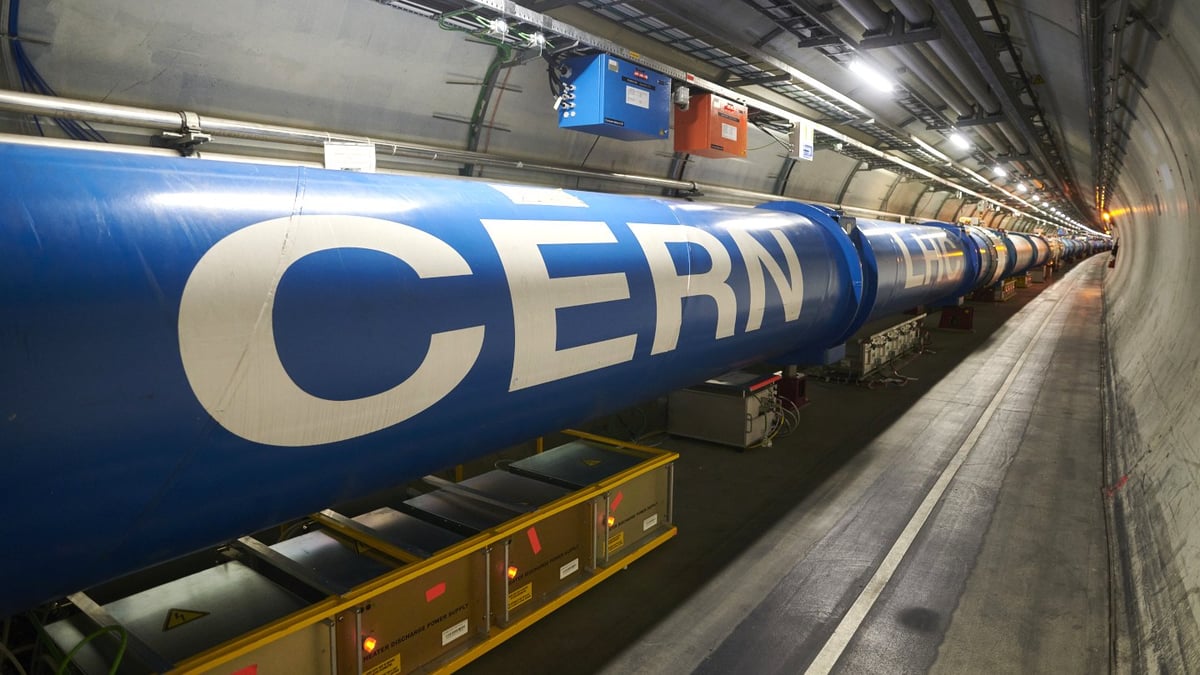
CERN — Europejska Organizacja Badań Jądrowych — od 1954 roku bada cząstki tworzące materię w Genewie, zatrudniając ponad 12 000 osób i obsługując Wielki Zderzacz Hadronów. Drukarki Original Prusa działają we wszystkich jego działach, a niektóre z wydrukowanych przez nie części trafiają do tunelu.
- 12,000+people at CERN
- 27 kmthe LHC ring
- 100 munderground
27 kmthe LHC ring · 100 m underground
Keeping it aligned is challenging because of the Earth’s own movements — and at this scale, everything on it must be custom-made.
A 27‑kilometre machine that the Earth keeps moving
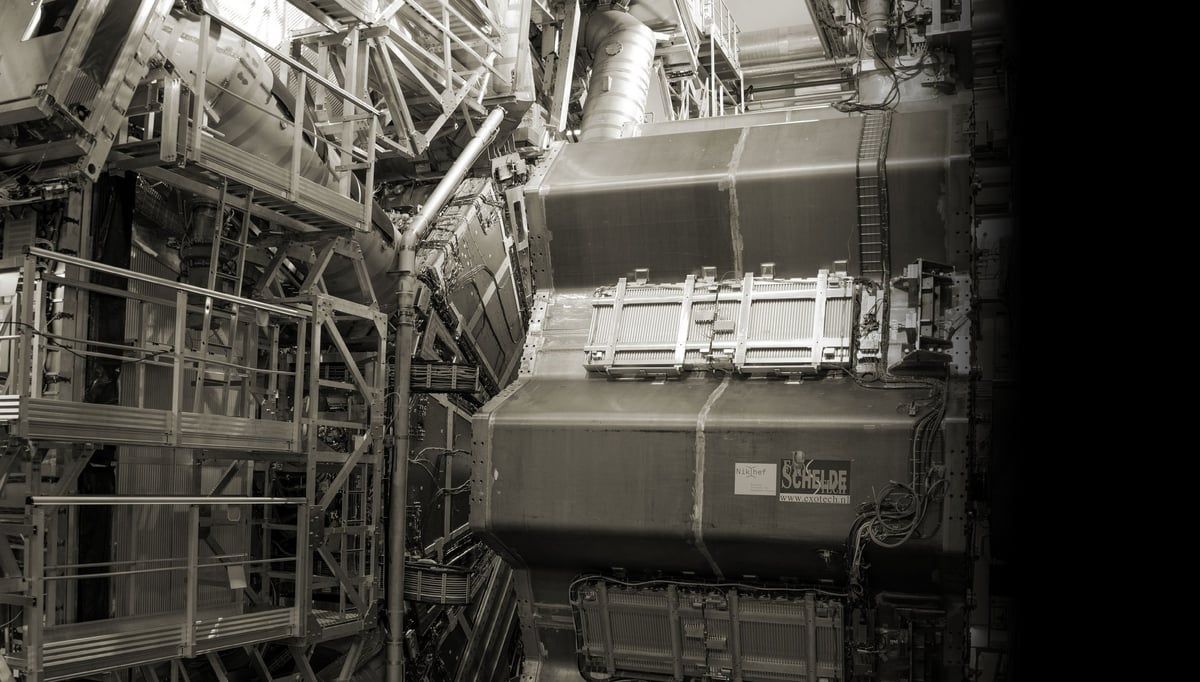
- ProblemWielki Zderzacz Hadronów jest zakopany 100 metrów pod ziemią i rozciąga się na 27 kilometrów, i musi pozostać idealnie wyrównany, aby eksperymenty miały sens. Ruchy Ziemi działają przeciwko temu. [3D Printing Now 01/2024, s. 26] „Dzięki skali i złożoności LHC, to naturalne, że wszystko musi być wykonane na zamówienie.” [s. 26]
- SolutionInżynierowie CERN projektują i produkują czujniki, systemy sterowania i akceleratory, które mierzą i regulują położenie dużych magnesów. Druk 3D jest używany nie tylko do testowania, ale także do części, które są instalowane bezpośrednio w tunelach LHC. [s. 26] Drukarki nie są przechowywane w jednym laboratorium: podczas wizyty Prusa znaleziono je we wszystkich działach, od konserwacji i IT po placówki badawcze. [blog]
- ValueW polu korzyści jest to ujęte jako „obniża koszty dzięki modelom drukowanym 3D używanym bezpośrednio w LHC” i „przyspiesza tworzenie części do ekstremalnych środowisk”. [s. 27]
“We use 3D printing a lot. It’s not just for testing, we also use it to create parts that go directly into the tunnels of the Large Hadron Collider.”
Jonas Kampp, Mechatronics engineer at CERN (Prusa blog)

A bead that carries a wire for 200 metres
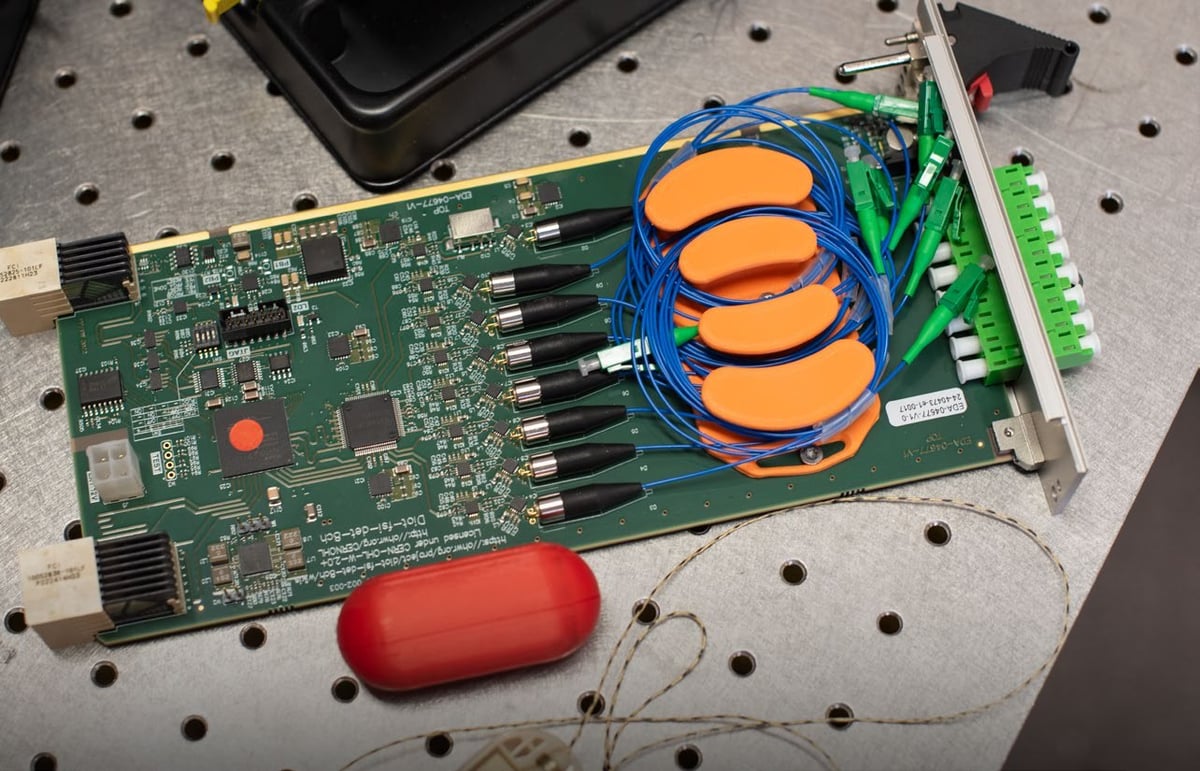
- ProblemOdległości w krytycznej części LHC są mierzone przez delikatny drut o długości 200 metrów — po każdej stronie czterech eksperymentów. Większość pozostałego sprzętu działa na delikatnych światłowodach, gdzie zbyt ostre zgięcie powoduje pęknięcie szkła wewnątrz i zniszczenie sygnału. [s. 26–27; blog]
- SolutionKoralik wykonany na drukarce 3D Original Prusa przenosi drut i chroni go przed uszkodzeniem [s. 26] — jego wykonanie zajęło dużo czasu i wiele prób [blog]. Wokół niego, wydrukowane obudowy i prowadnice zabezpieczają optykę: moduł fotodetekcji FSI ma wydrukowany komponent, który organizuje światłowody w schludne zwoje, tak aby nigdy nie zginały się ostro. [s. 27]
- ValueTo nie są modele części. To są części, w tunelu, dokonujące pomiarów — wydrukowane, ponieważ w tej skali i tak wszystko jest jednorazowe. [s. 26]

Test it in plastic before you commit the expensive material
- ProblemNarzędzie dla LHC musi być sprawdzone pod kątem niezawodności zanim drogi materiał zostanie na nie przeznaczony — a w CERN drogi materiał może być całym celem eksperymentu. [str. 27]
- SolutionWydrukuj test. Wydruk wykonalności dla czujnika hydrostatycznego systemu poziomowania został wykonany w celu zbadania, czy część może być wydrukowana z metalu, a koszt produkcji obniżony [str. 27; blog]. Prototyp złącza między dwoma czujnikami systemu pozycjonowania drutu poszedł tą samą drogą — i był kilkakrotnie przeprojektowywany, zanim artykuł został nawet opublikowany. [str. 27; blog] Drukowane złącza rur są wykonywane na zamówienie i pozostają łatwo modyfikowalne — właściwość, którą obrabiana część traci w momencie powstania. [str. 27, podpis pod zdjęciem]
- Value„Często te drukowane modele są nawet używane jako produkty końcowe.” Pole korzyści dodaje drugą połowę: zmniejsza zużycie drogiego materiału w testach prototypów i szybko produkuje prototypy do użytku końcowego dla projektów o wysokiej stawce. [str. 27]

Changing the sample without turning the beam off
- ProblemAkcelerator CLEAR w CERN kieruje wiązkę promieniowania na komórki rakowe, aby oszczędzić zdrowe tkanki wokół nich. Eksperyment wymaga szybkiej wymiany napromieniowanych próbek — a przy promieniowaniu w pomieszczeniu bezpieczeństwo ludzi jest najważniejsze, więc nikt nie może po prostu wejść i tego zrobić. [str. 27; blog] Projekt VITO ma ten sam problem w innej formie: próbki płynne w środowisku wysokiej próżni, gdzie otwieranie i zamykanie sprzętu w celu zmiany jednej kosztuje czas. [str. 27; blog]
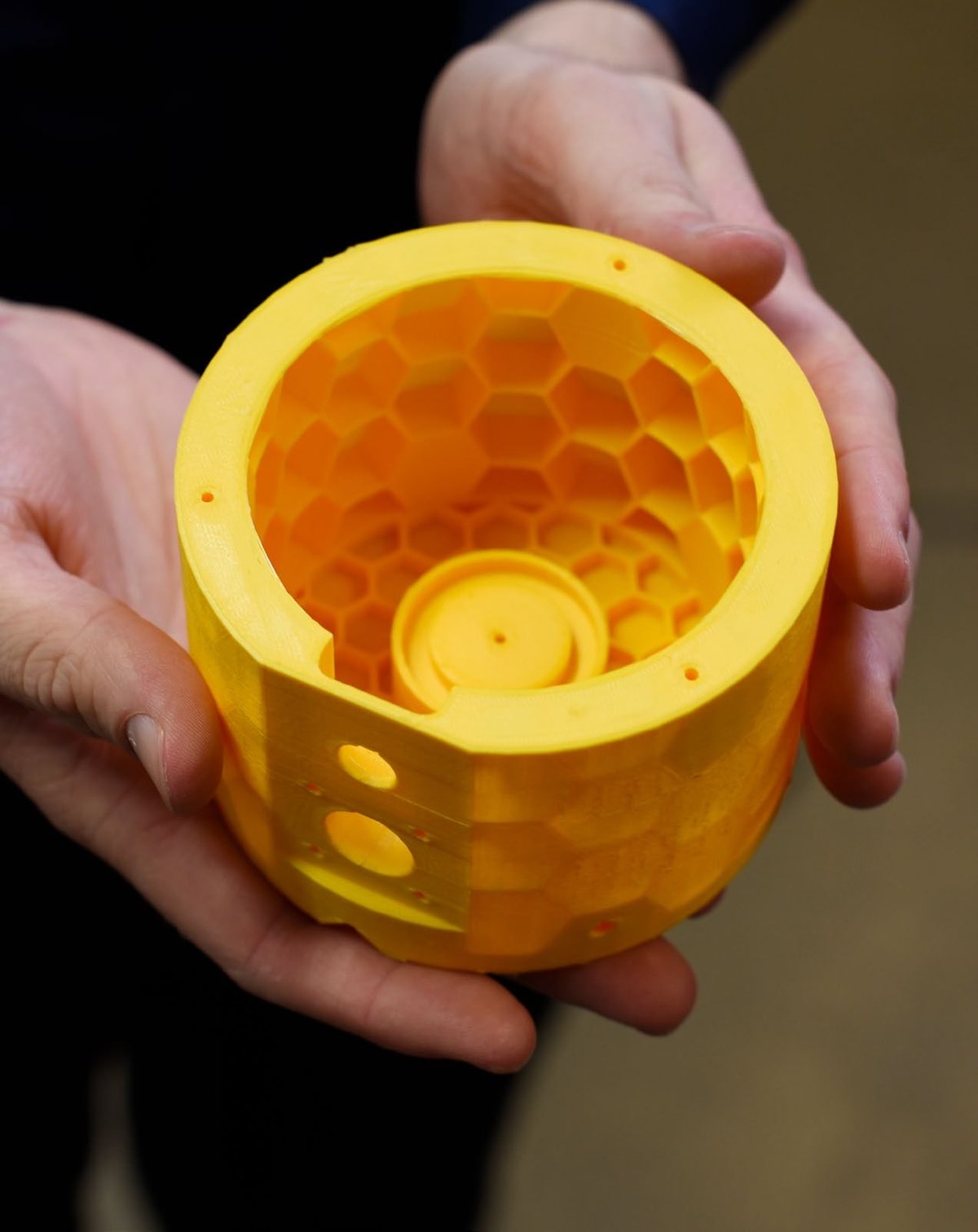
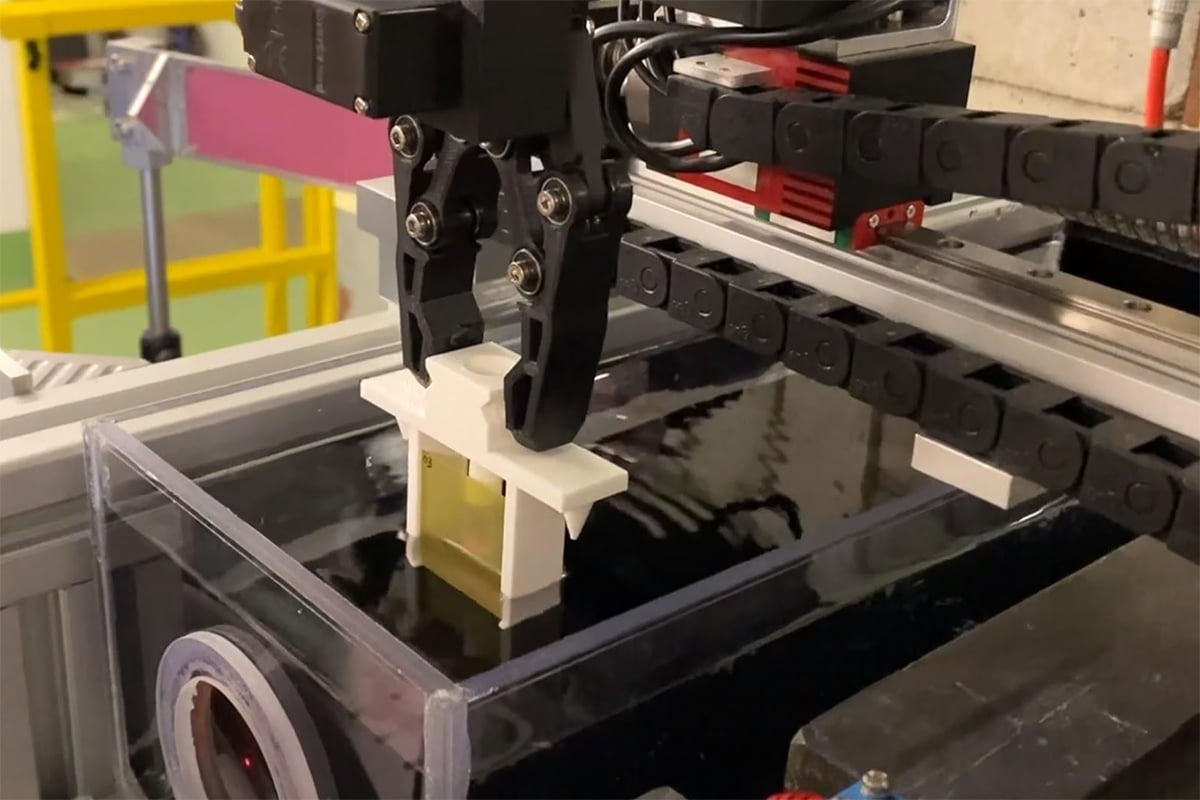
- SolutionW IdeaSquare — warsztacie, gdzie młode umysły pracują obok doświadczonych naukowców — rozwiązanie robotyczne drukowane w 3D wymienia próbki bez przerywania wiązki, a same pudełka na próbki są tam drukowane. [str. 27; blog] Dla VITO specjalny uchwyt i kapilara 8 mm drukowana w 3D pozwalają na zmianę próbek bez zatrzymywania eksperymentu. Kapilara jest drukowana z żywicy na Original Prusa SL1. [str. 27; blog]
- ValueThe beam keeps running, the people stay out of the room, and the experiment stops waiting for its own housekeeping. [p27]
“3D printing allows scientists and engineers to quickly create prototypes and push the boundaries of what’s possible,”
Dina Zimmermann, Structural engineer at IdeaSquare, CERN

Could your lab print the part instead of waiting for it?
Tell us what you are building. We will come back with the machines, the materials and the parts other research groups print first.
Still not sure where 3D printing fits your classroom?
See what other companies print — a classroom, a hangar, a car plant, a transplant clinic.




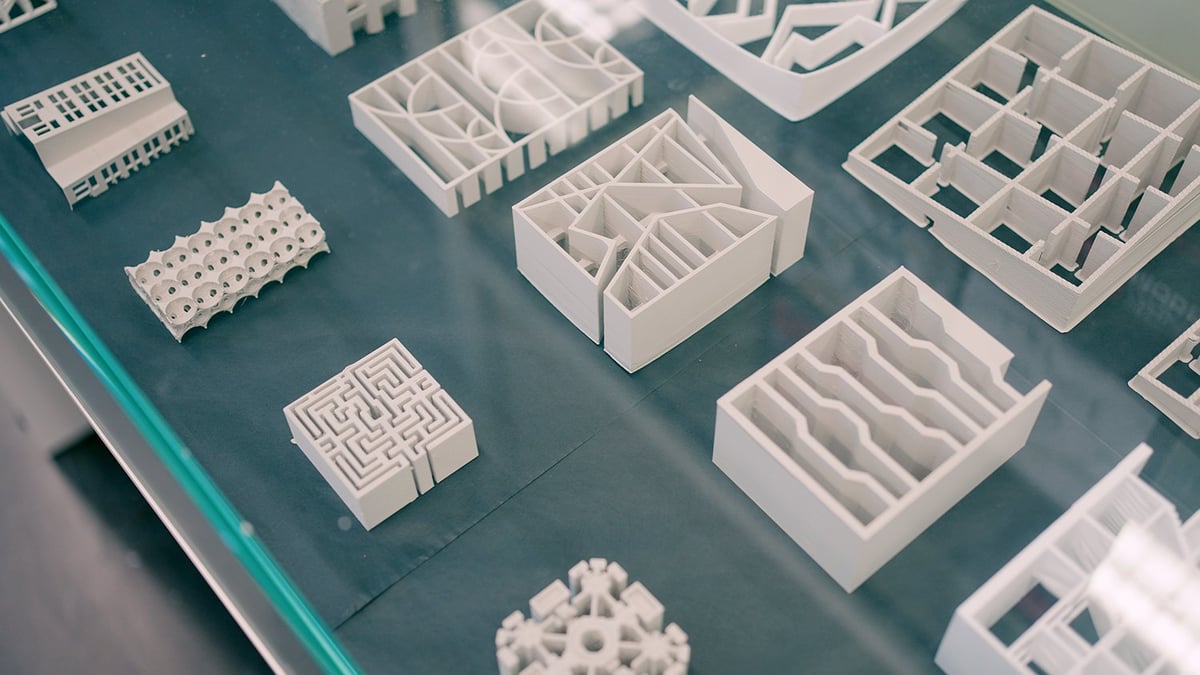

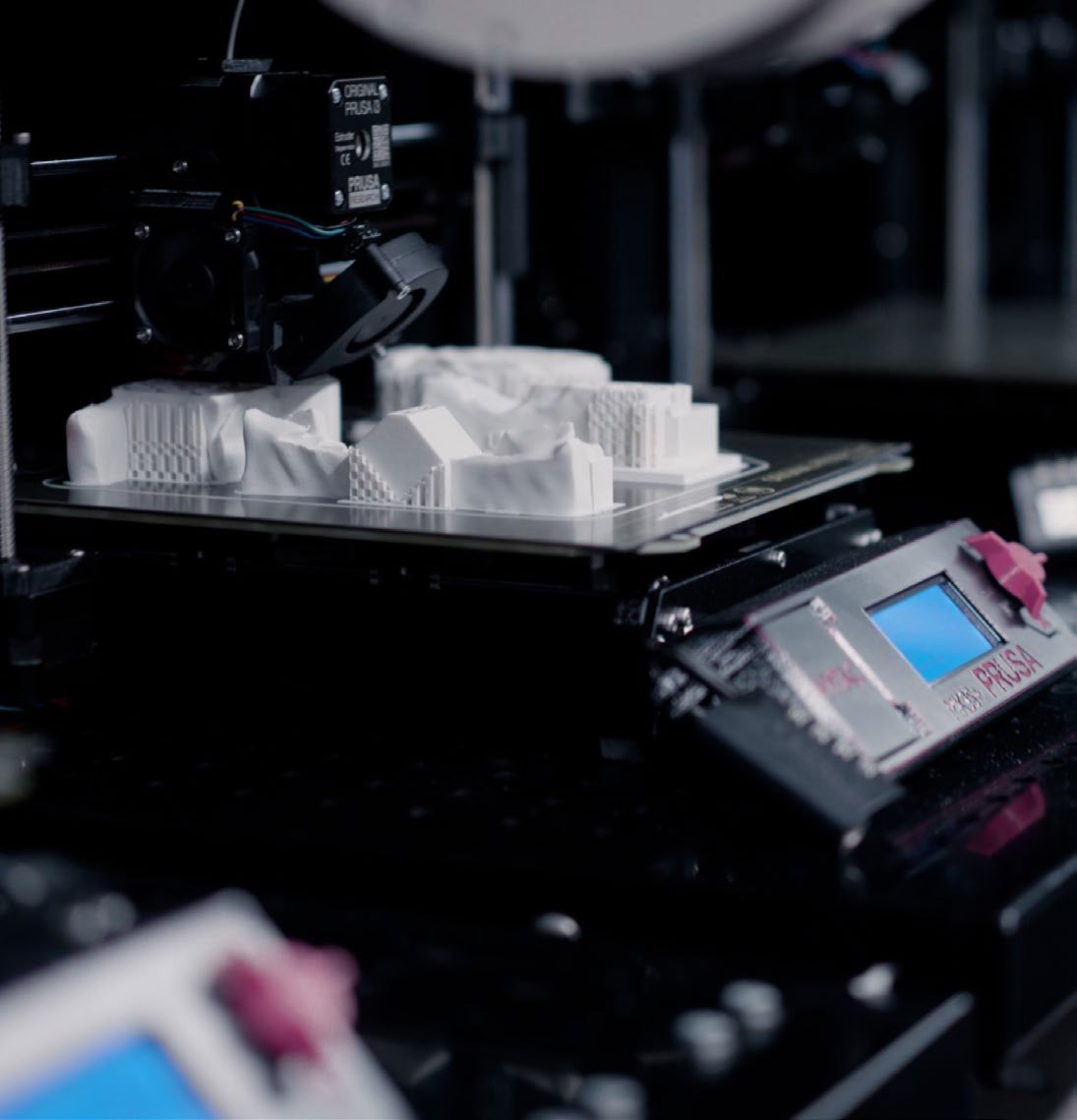
Customer story — ETH Zurich
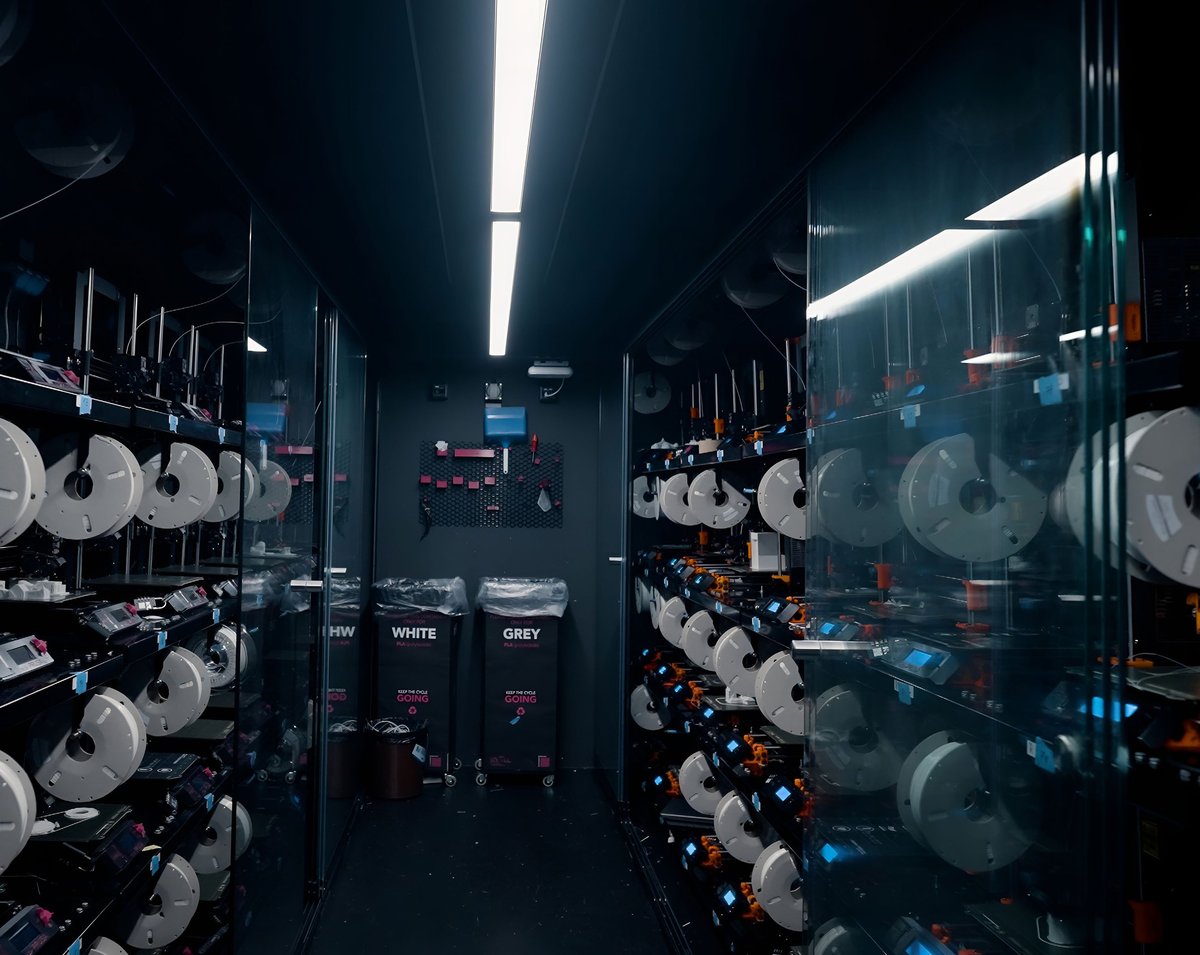
Every one of ETH Zurich’s 100+ printers was built by a student
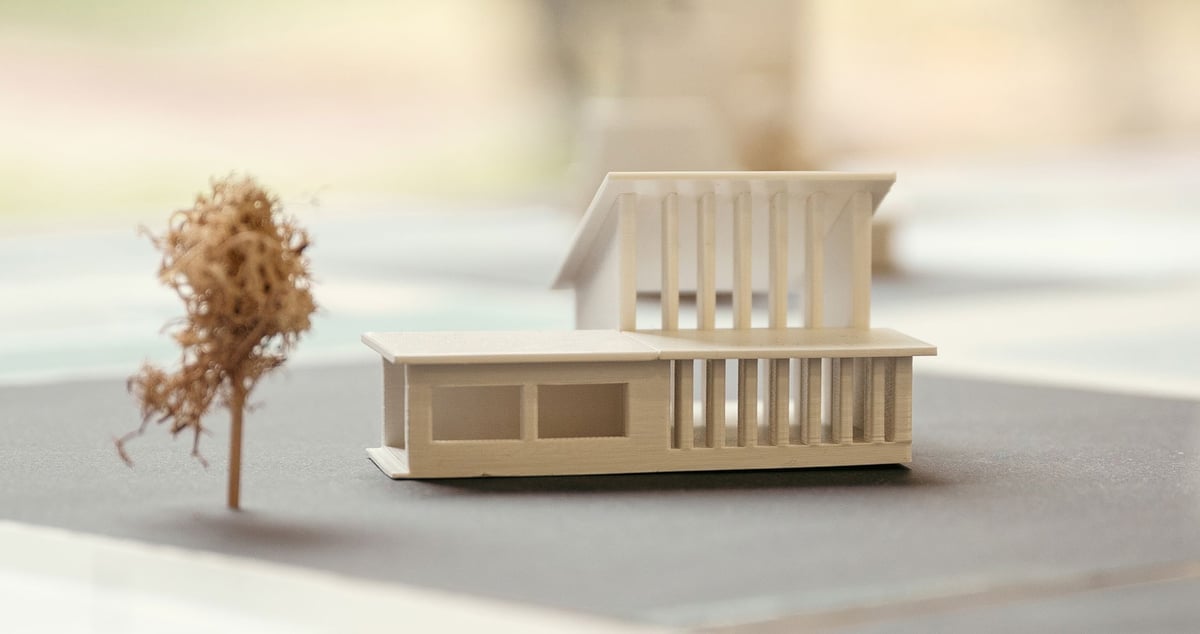
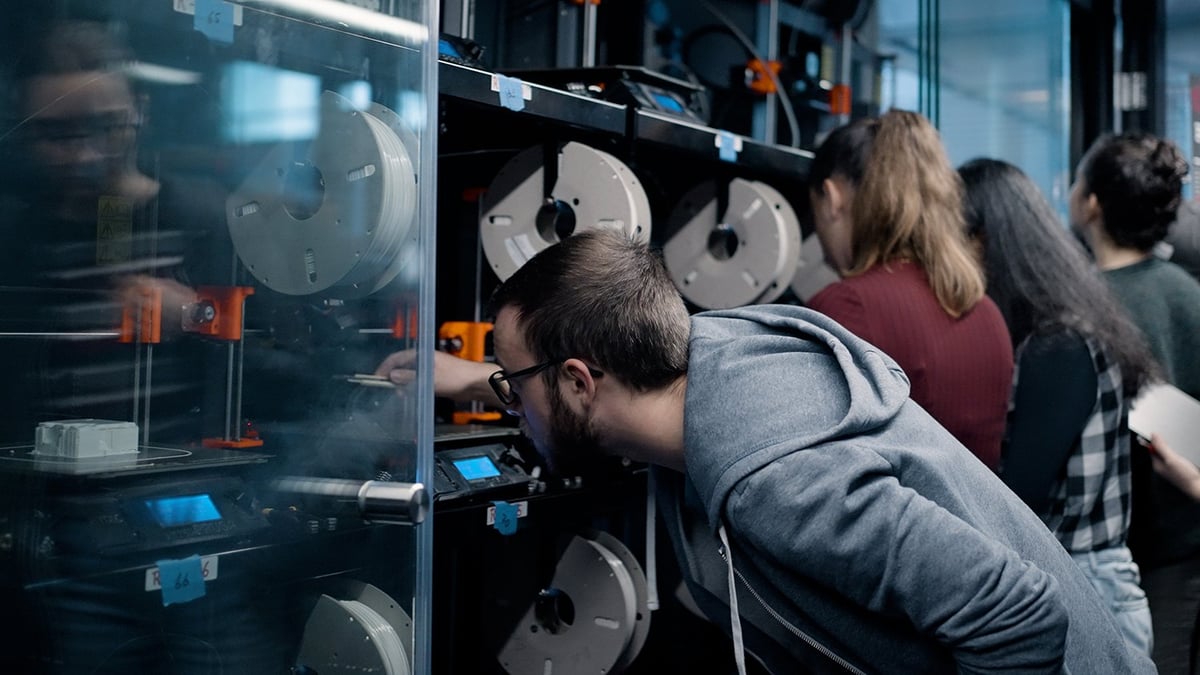
The architecture department’s HYTAC programme trains 300+ students a term, and each of them assembles an Original Prusa kit in two days before printing anything. It started as a maintenance problem: the university could fund the machines, but not the people to keep them running.
- 100+Original Prusa printers
- 300+students trained per term
- 20printers replaced each year
“I can’t imagine a world without 3D printing. It just wouldn’t work!”
1 / 4
Your team’s questions, answered
What engineering, quality and procurement usually ask before the first print.
Manufacturing Engineer
Tooling / production
R&D Engineer
Materials / durability
Quality / Traceability Engineer
Quality assurance
Maintenance Technician
Spares / repairs
Procurement Lead
Purchasing