Enterprise Defense
“Si nous utilisions le moulage par injection, les coûts initiaux seraient astronomiques.”

Compelson case study in numbers
Compelson développe des outils de criminalistique numérique à Prague, avec des logiciels utilisés par les forces de l'ordre dans plus de 160 pays. Lorsque les montres connectées arrivent sans ports de données standard, l'extraction de preuves nécessite un matériel personnalisé. Comme de nouveaux modèles de montres sont lancés chaque année, la fabrication traditionnelle était trop lente et coûteuse. Compelson s'appuie plutôt sur l'impression 3D pour suivre le rythme.
- 59people building tools in Prague
- 160+countries using MOBILedit
- 1.5years of development
9 major versions of the Samsung reader casing were prototyped over a year and a half, each with numerous sub-versions.
Creating interfaces for portless smartwatches
- ProblèmeForensic investigators require physical access to extract data from devices. Unlike mobile phones with standard data ports, smartwatches often lack cables entirely. Manufacturers frequently alter design details with new models, requiring the forensic adapters to be updated annually for every new smartwatch edition.
- SolutionInjection molding is not a viable business model for this application. Creating a mold for each adapter involves high initial costs for components that become obsolete within a year. Instead, Compelson relies on 3D printing to manufacture the specialized readers, adapters, and casings directly in-house.Imprimé surPrusa CORE OnePETG
- ValeurLe catalogue de montres a cessé d'être un catalogue de moules. Un nouveau modèle signifie un nouveau fichier, pas un nouvel outil, et les adaptateurs sont livrés dans le kit MOBILedit Forensic que les enquêteurs emportent sur le terrain.
“With new watch models released every year, we would need a new mold each time, which would be like throwing money out the window. 3D printing is a much better solution for us.”
Michal Malinský, Product Manager at Compelson

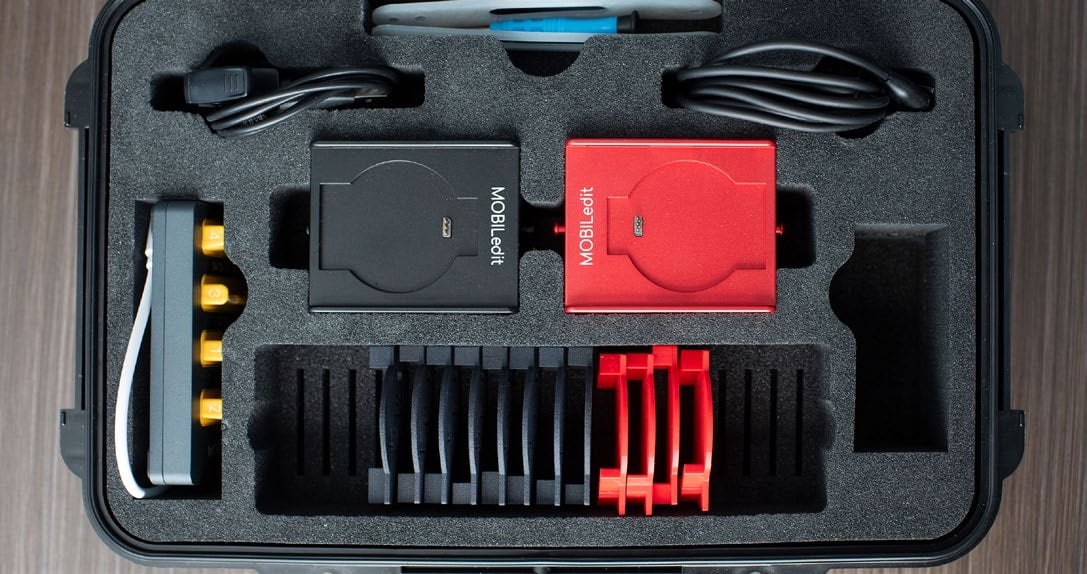
Iterative prototyping for reader casings
- ProblemDesigning a reliable physical interface for a smartwatch requires overcoming complex technical challenges and undocumented manufacturer design decisions. Developing an accurate fit requires extensive physical testing and validation.
- SolutionThe Samsung watch reader underwent a year and a half of development, resulting in nine major versions of the casing and numerous sub-versions to test different features. The team uses PLA for initial prototypes before transitioning to more robust materials like PETG and Polycarbonate Carbon Fiber for the final, field-ready production parts shipped to customers.Printed onPrusa CORE OnePrusament PC-CF
- ValueIteration stopped being the expensive part of the project. The team could solve the hard problems, including the ones created by other manufacturers’ design decisions, by trying, not by budgeting for a mold.

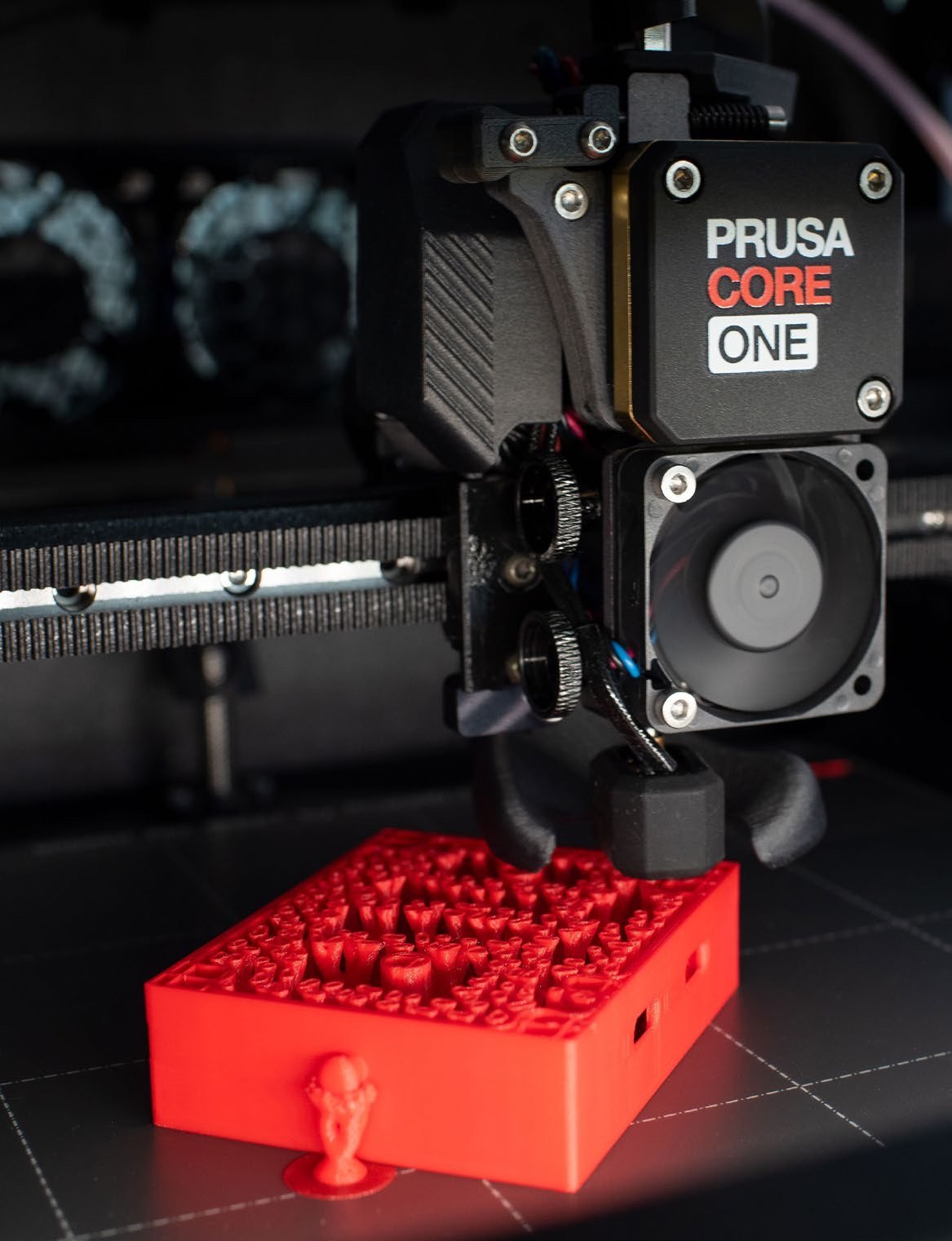
Rapid manufacturing for urgent forensic operations
- ProblemThe Czech Military Police urgently needed to extract data from a rare first-generation Galaxy Watch. The required connector was not available in standard kits. Traditional manufacturing for a single custom part involves weeks of lead time and prohibitive costs.
- SolutionCompelson designed a fully functional custom connector, printed it in under 20 minutes, and delivered it for use the next day. The company also distributes 3D files directly to customers, allowing them to print replacement or newly developed adapters on their own machines to ensure they always have the right tools.Printed onPrusa CORE One
- ValueUne pièce unique a cessé d'être un projet. Pour une agence, c'est la différence entre des preuves récupérées cette semaine et un appareil qui reste fermé.
Still not sure where 3D printing fits your production?
See what other enterprise companies print, an architecture studio, a collider, a hangar, a car plant.

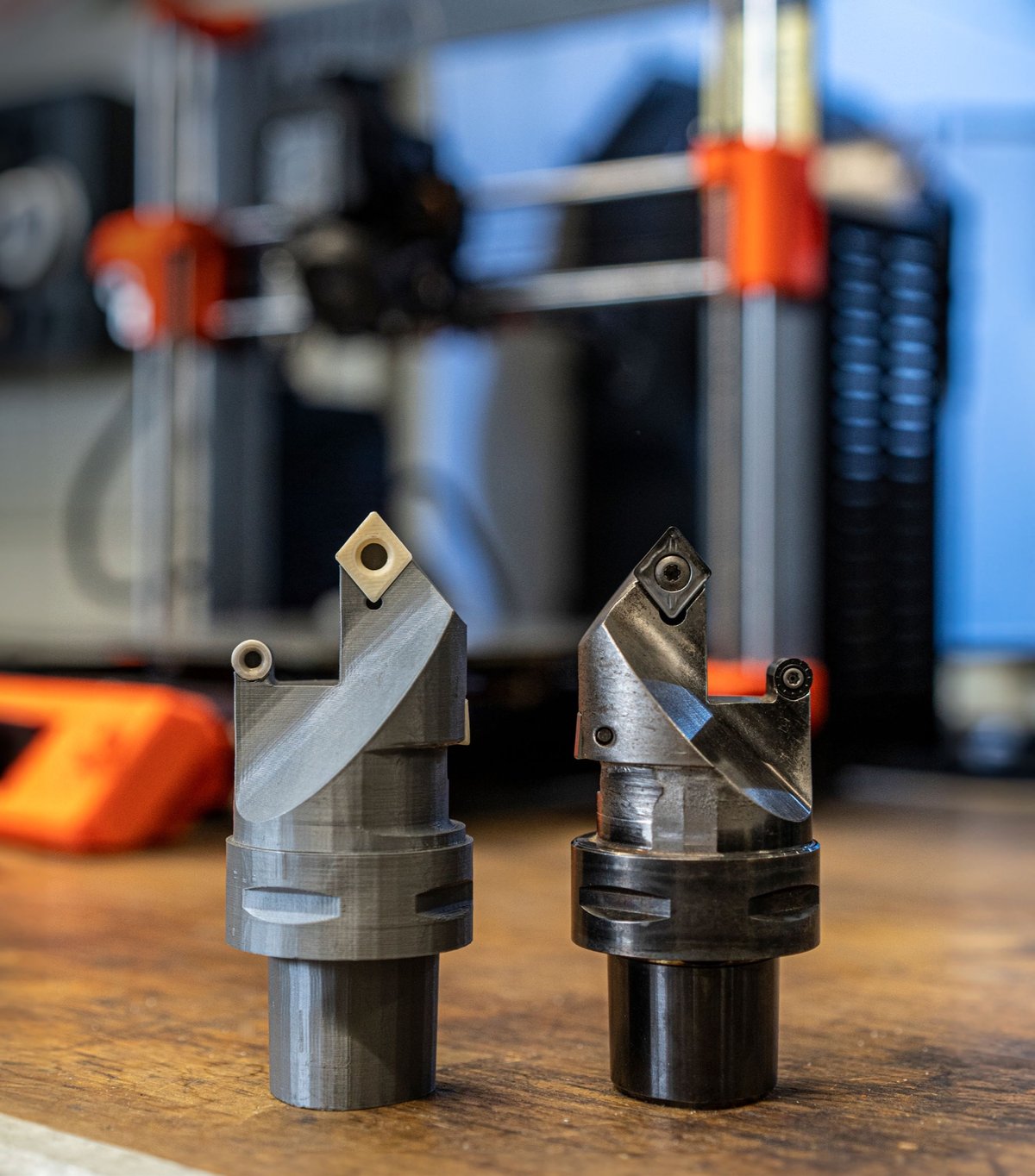

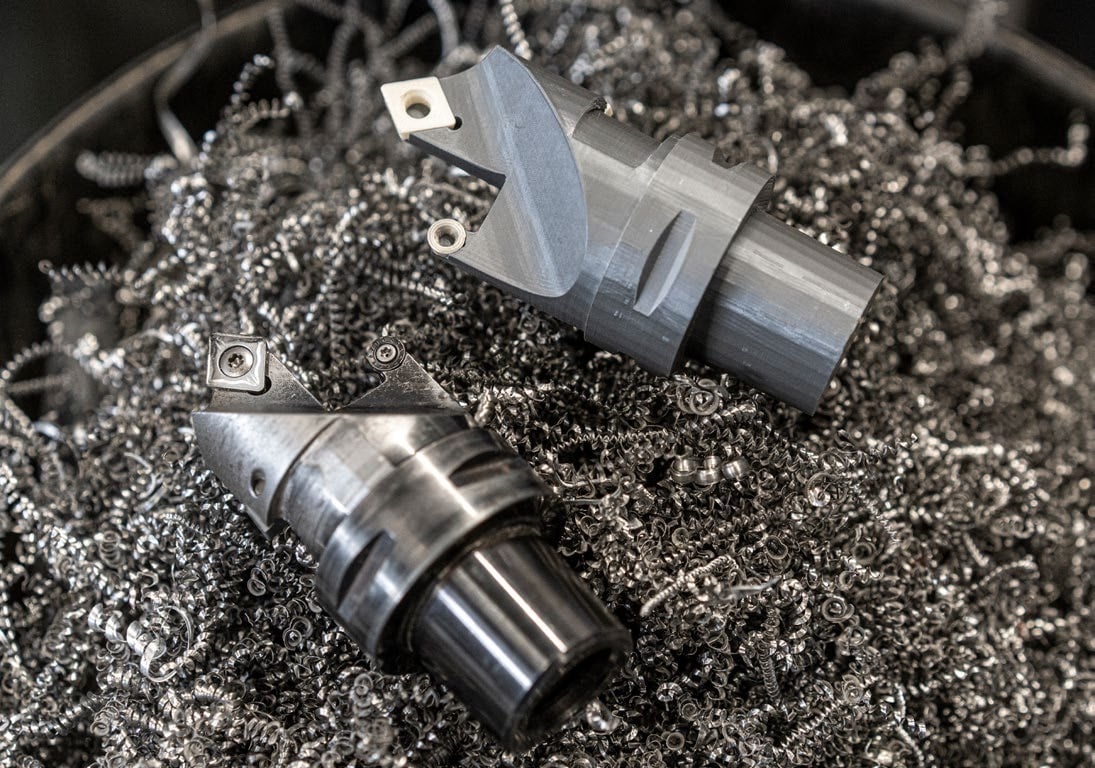
Customer story Seco Tools
Seco Tools put a 1:1 cutting tool on Škoda’s table in four days
The Swedish tool maker’s Czech branch was asked to unblock a gearbox line where one part needed three ISO tools and almost 51 seconds. A single combined tool, printed 1:1 before it was ever cut, brought the operation to 40.2 seconds, Škoda Auto’s figure, on Škoda Auto’s line.
- 4 daysassignment to 1:1 printed model
- 10.7 scut from Škoda’s cycle time
- €10,650saved at Škoda in a year
“Thanks to 3D printing, I rediscovered my passion for innovation and industrial tool design.”


Your team’s questions, answered
What creators, engineers, and workshop leads usually ask before the first print.
Forensics Investigator
Equipment availability
Hardware Engineer
Coûts d'outillage
Procurement Officer
Urgent requests