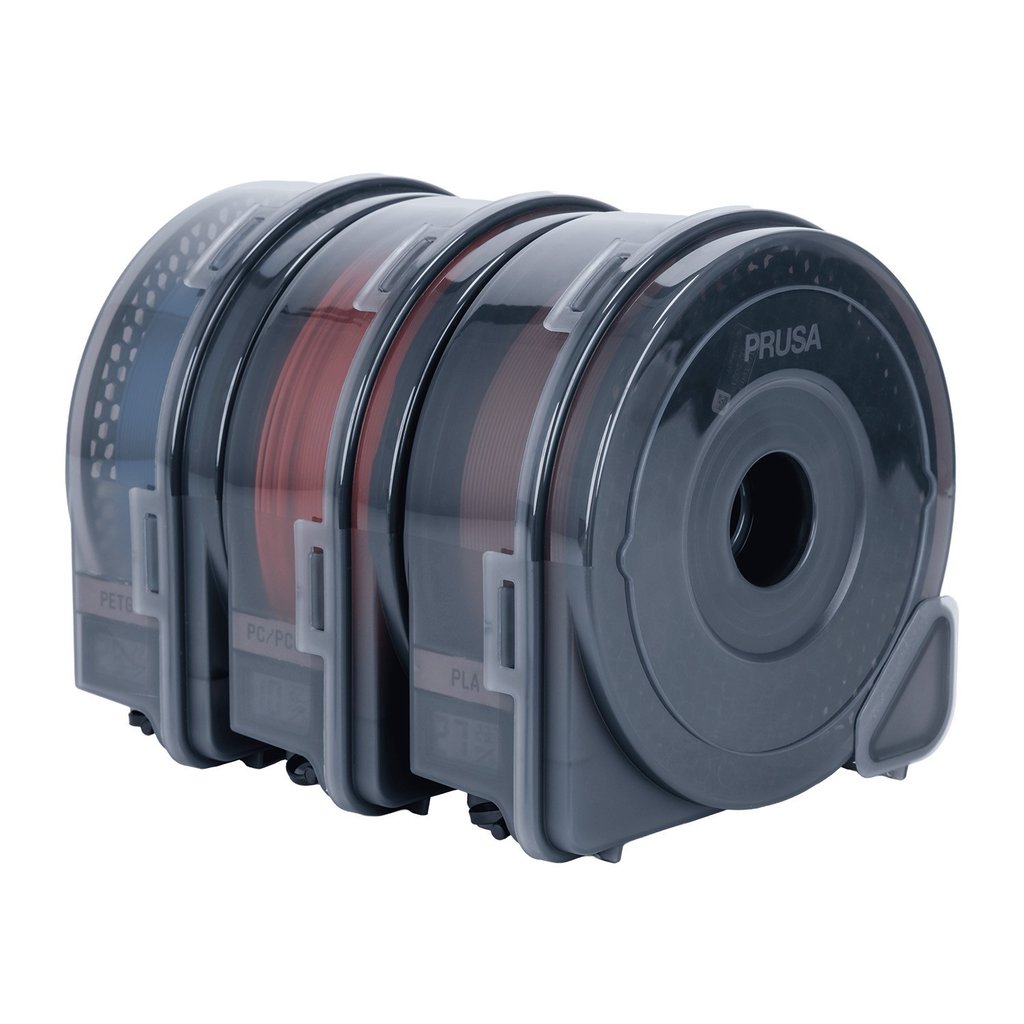
Prusa USS Drybox
Spring Deal: Free Worldwide Shipping on All In-Stock Items! See details
 United States


When wet filament hits the hot nozzle, the water inside instantly boils, expanding in volume. This creates steam bubbles that pop out of the nozzle, leading to stringing, oozing, and rough finish instead of smooth walls.
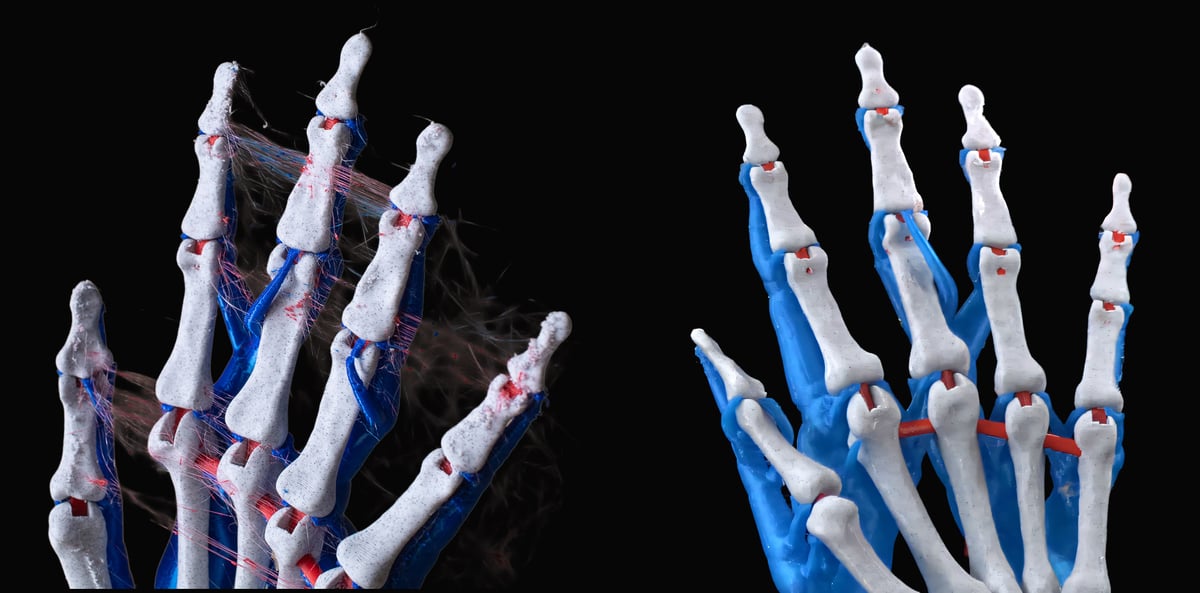
Left: wet filament after being stored in the open, Right: Filament stored and being printed directly from a drybox.
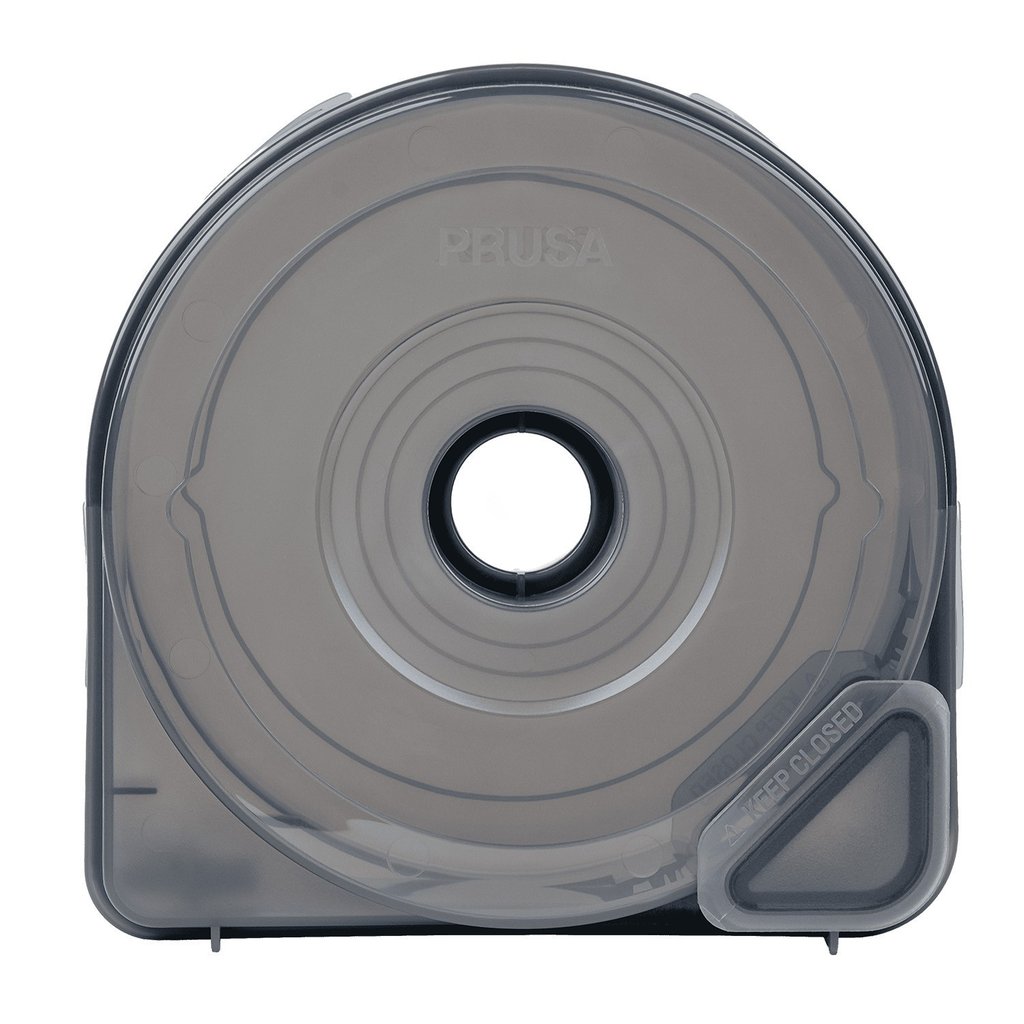
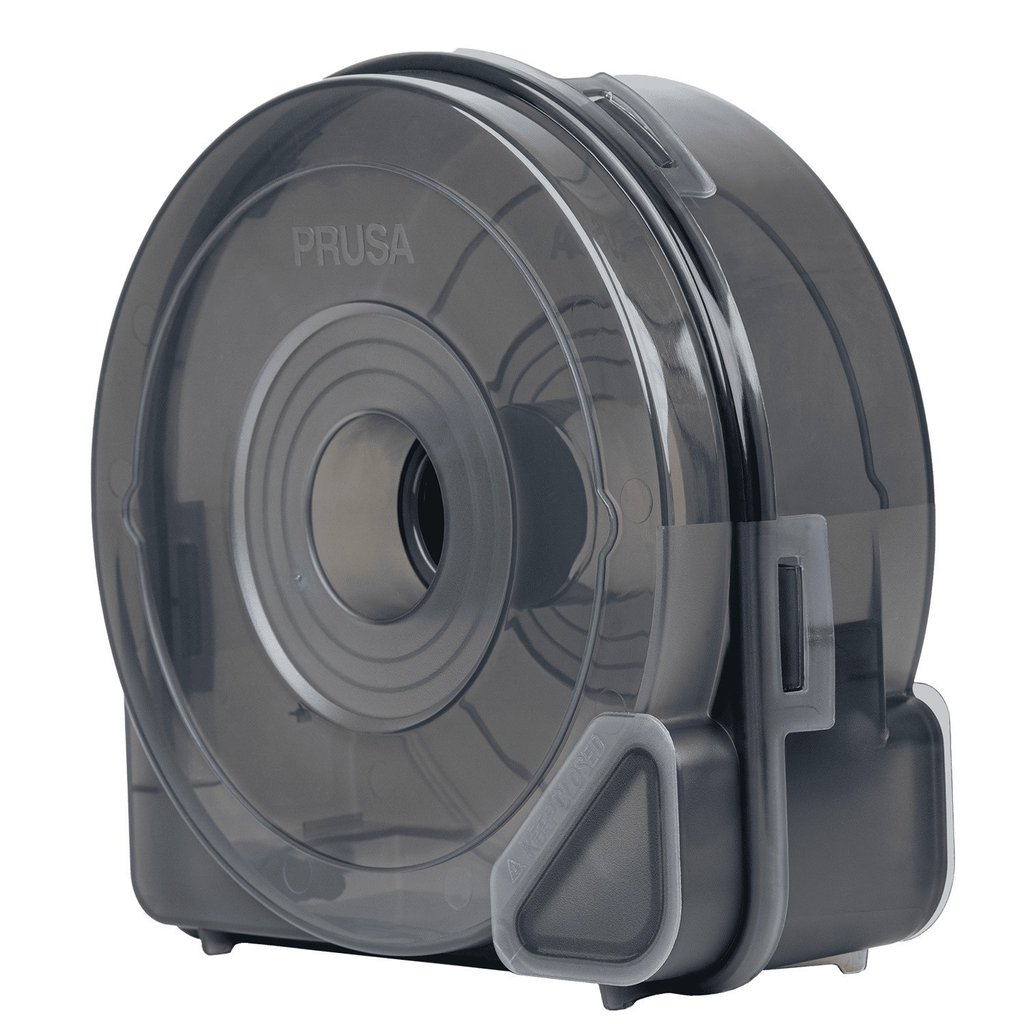
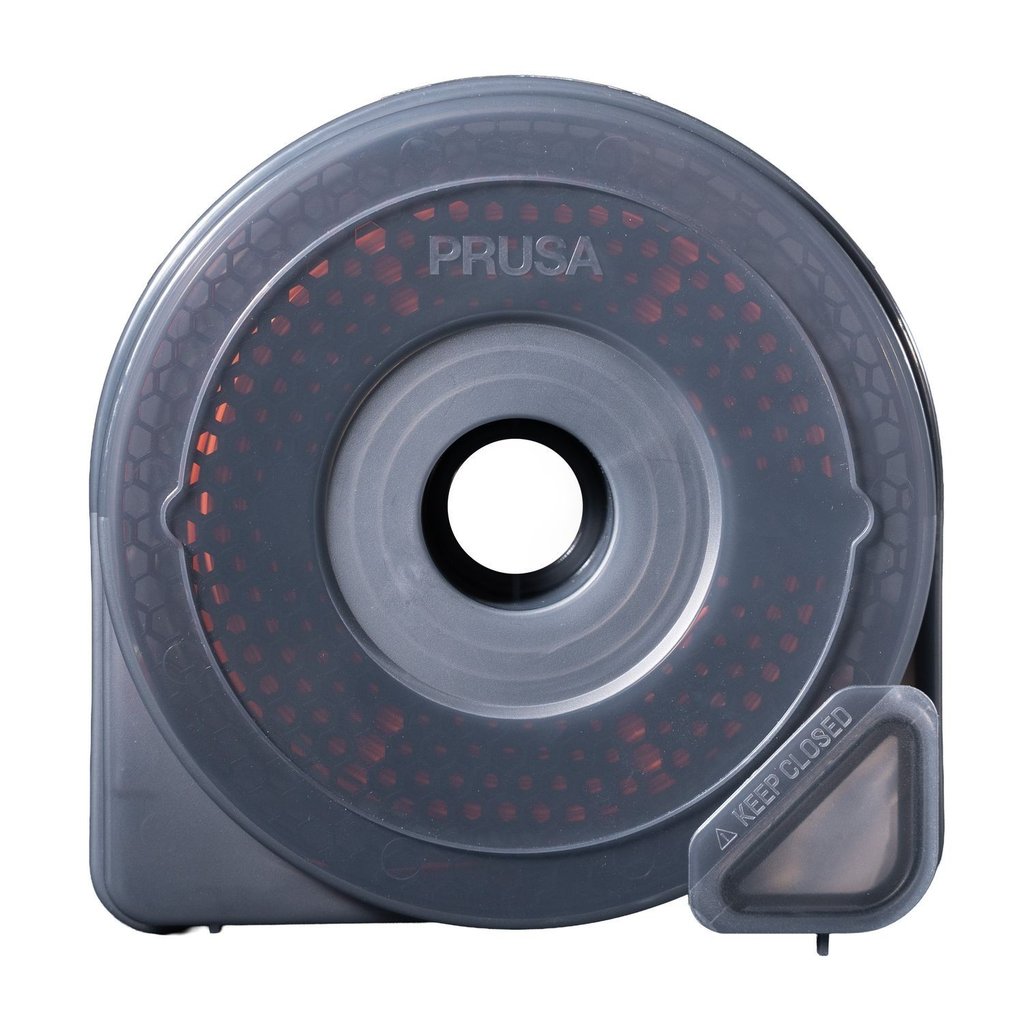
Most filament storage boxes are just repurposed food containers. We built the Prusa USS Drybox from the ground up for 3D printing, made from special hydrophobic materials. It's a sealed storage container built around a simple idea: place your spool inside, print directly from the box, and leave it there until it’s empty.
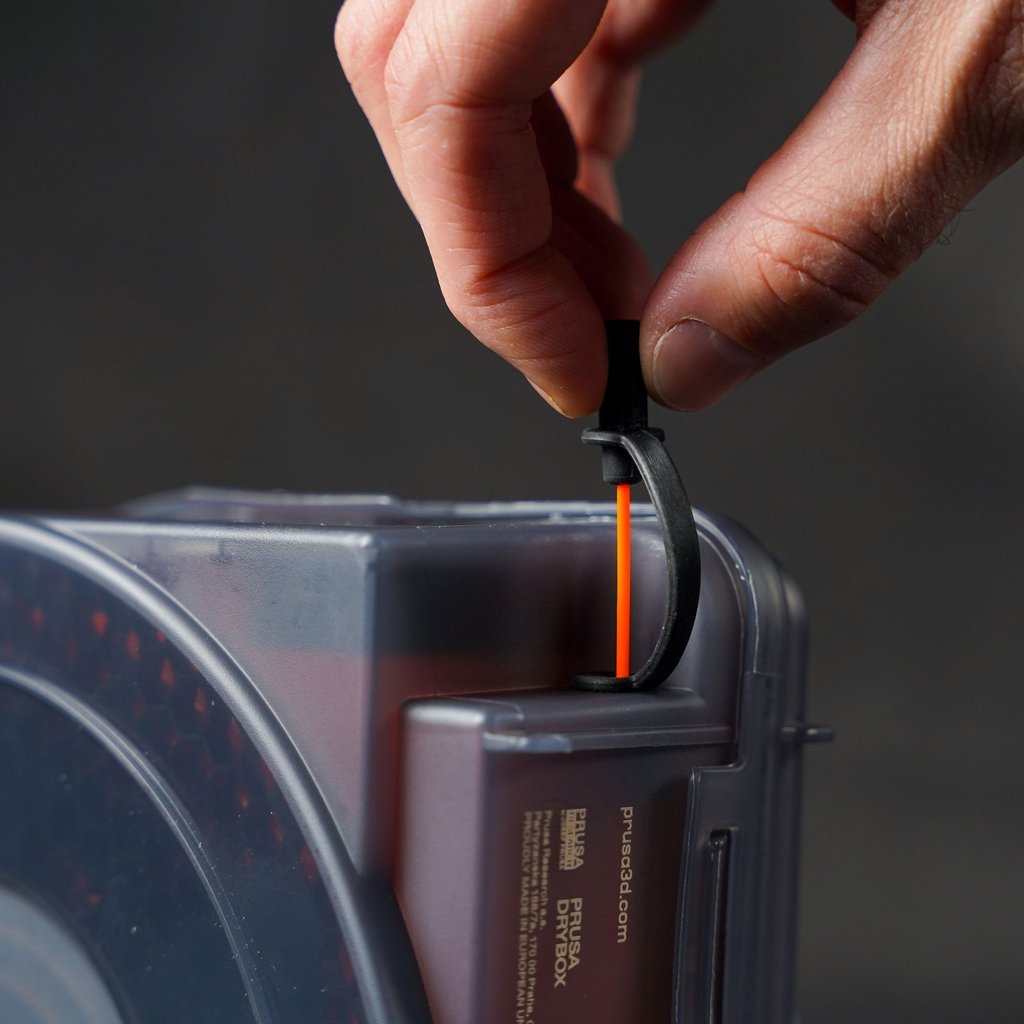
Access and load your filament without opening the lid. The sealed port keeps moisture out while you print, and it fits a PTFE tube perfectly for direct connection.
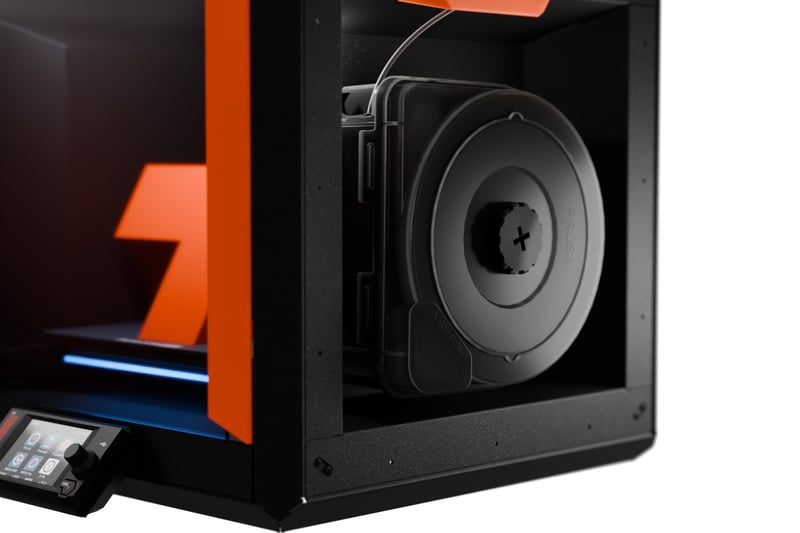
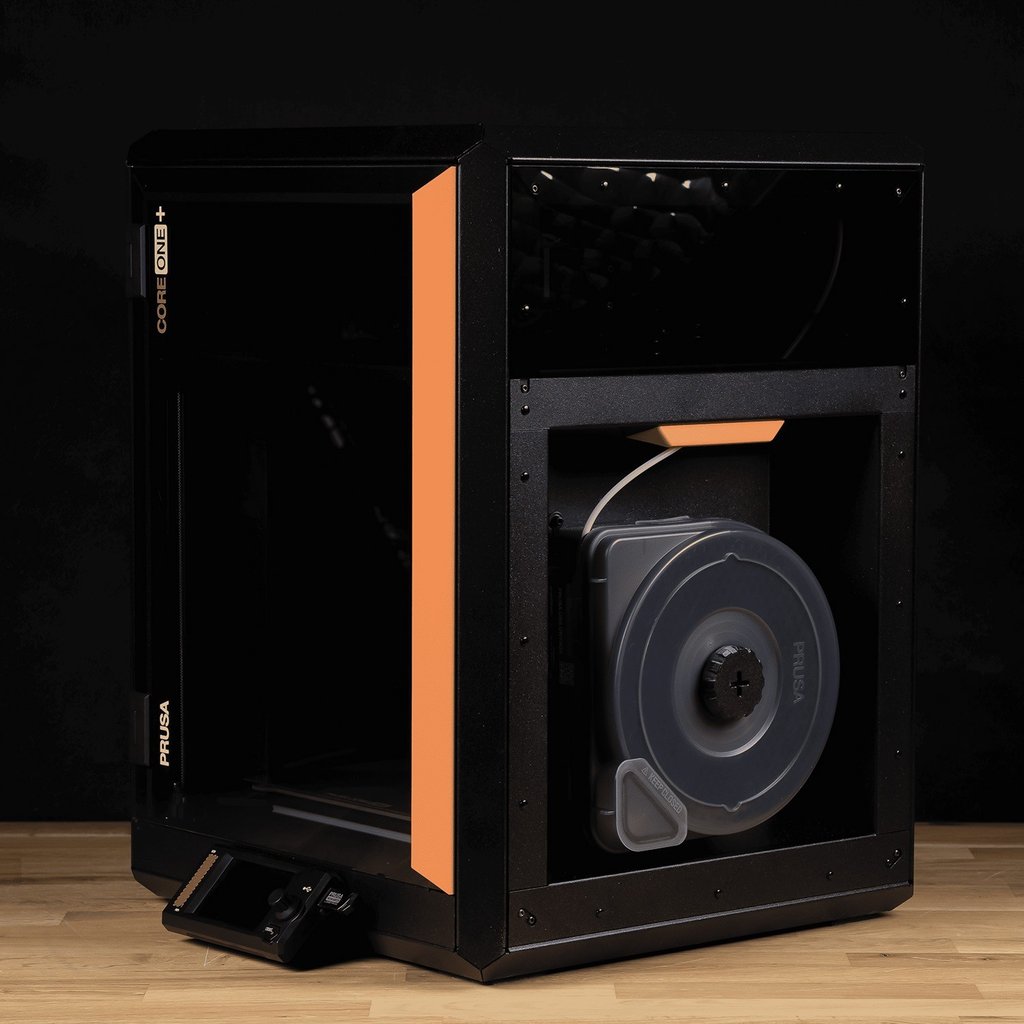
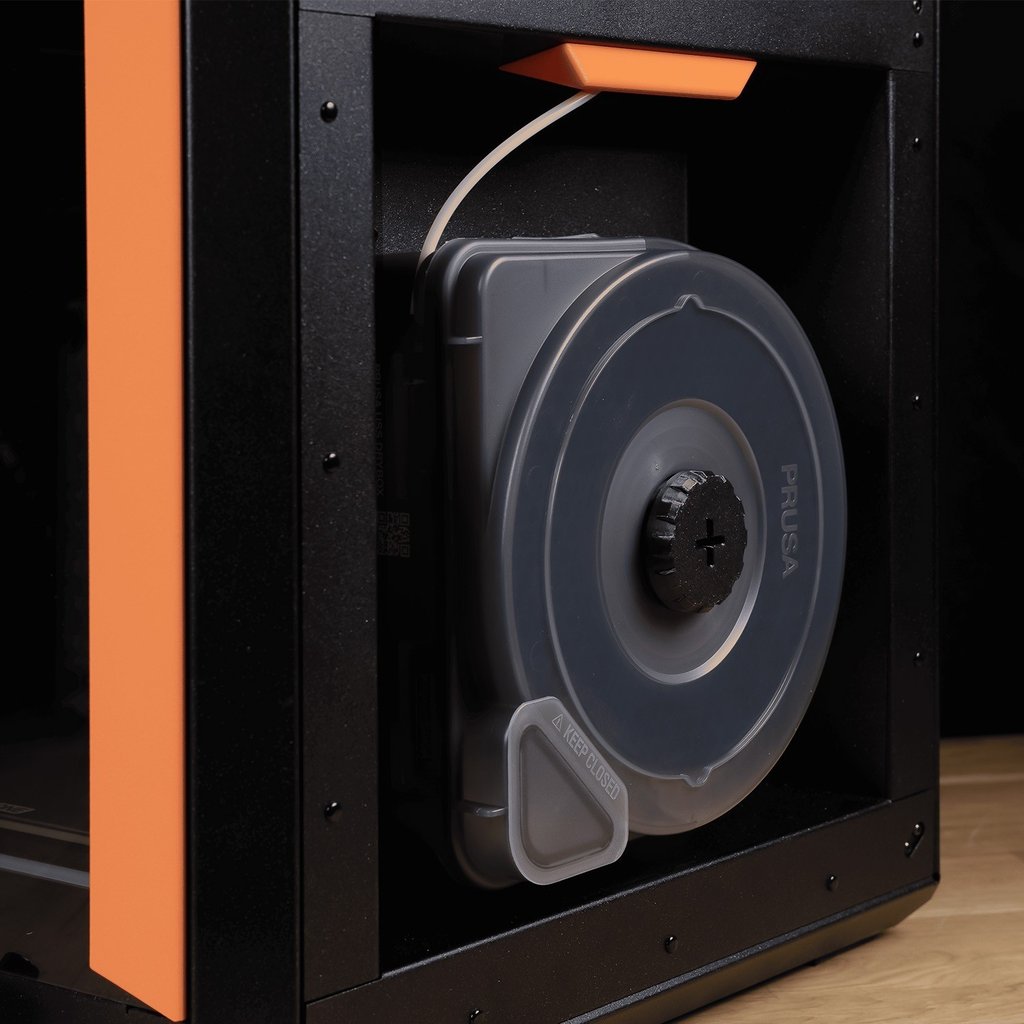
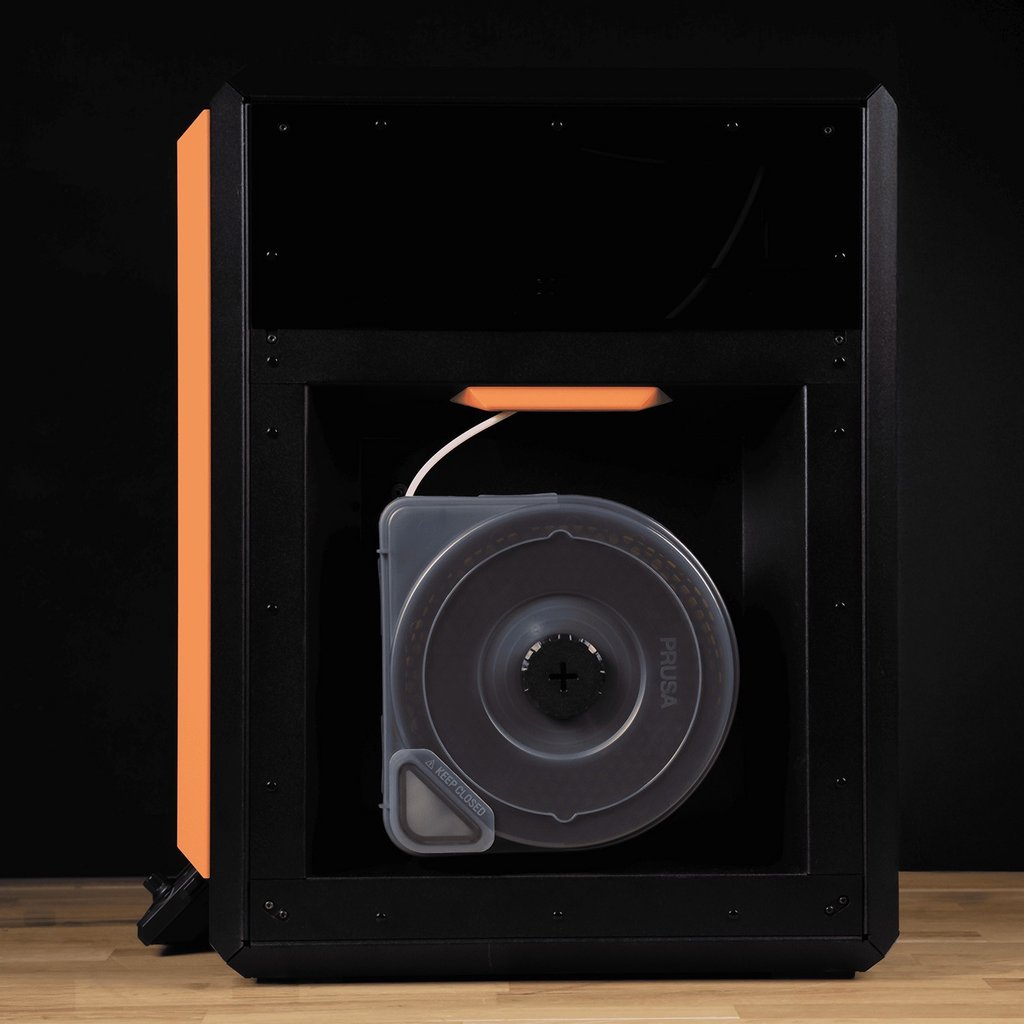
A clever central opening allows the box to mount directly onto your existing spool holder (the Prusa bayonet spoolholder). This way, we also minimized the free internal space where humid air could accumulate.
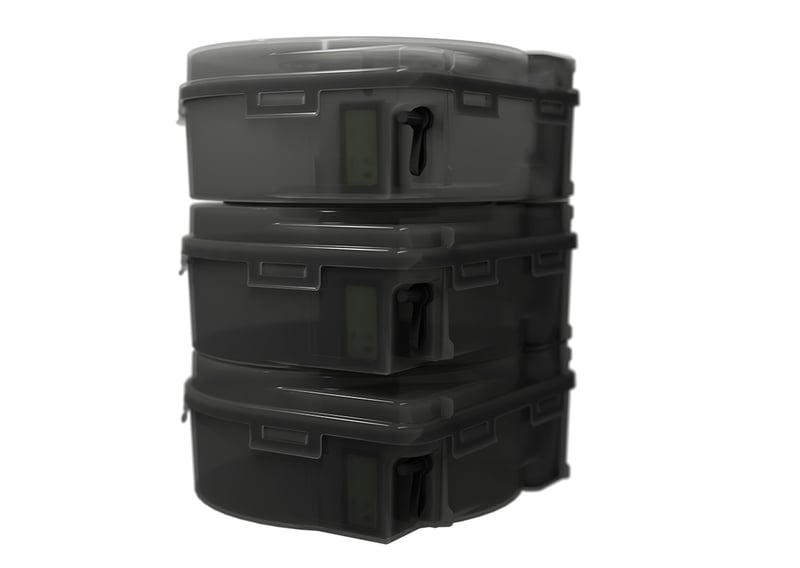
The flat sides make the boxes fully stackable for neat organization. One box per spool: place it inside once, and leave it there until the roll is empty.
We made the box big enough to fit standard spools from just about any brand (up to 1kg), along with smaller specialty rolls.
Why you should choose the Prusa USS Drybox
Meassured with Prusament PCCF filament, without any silica gel in the box.
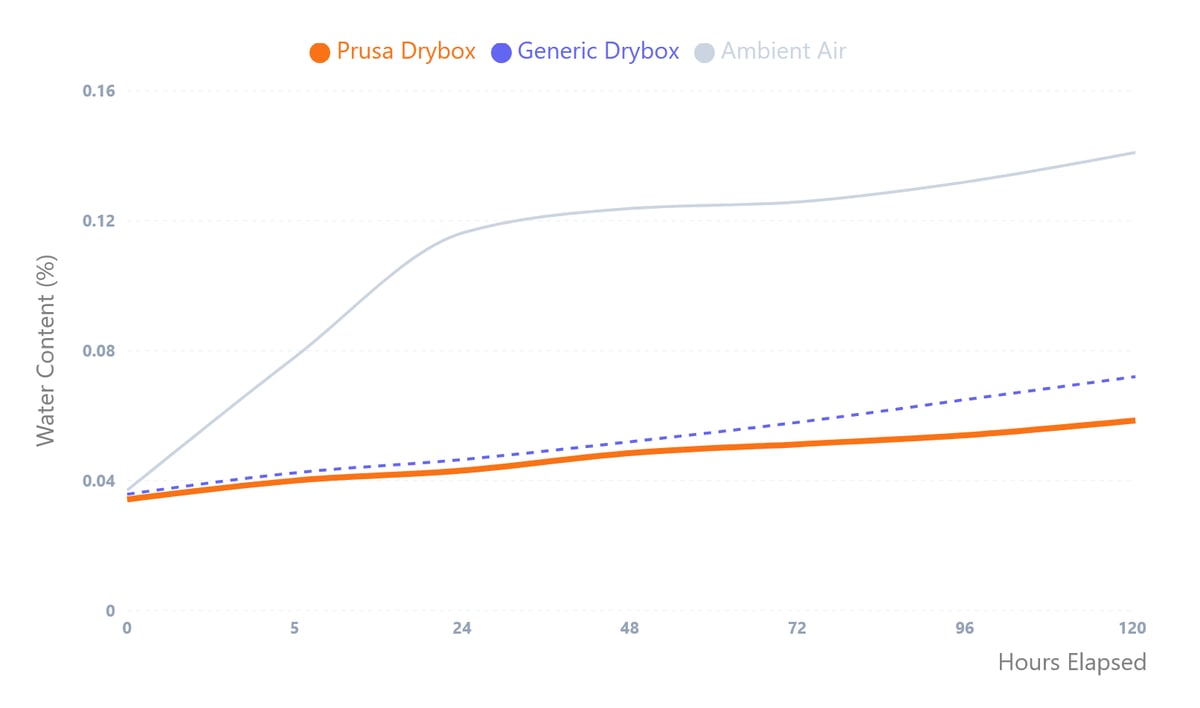
Why it matters? PCCF filament absorbs moisture rapidly. At 0.12% water content, printing quality degrades.
Beyond measuring just the moisture absorption over time, we put our seal to the ultimate test using the CO2 Decay method. By measuring how slowly a tracer gas escapes the container, we can determine exactly how often the air inside is replaced by humid air from your room. While a basic zip-lock bag leaks air rapidly and even dedicated generic dryboxes struggle to maintain a total seal, the Prusa USS Drybox stays significantly tighter. Its performance reaches a level of airtightness typically only required for museum display cases used to preserve fragile historical artifacts. This means your filament stays in a controlled environment, shielded from the outside world, for much longer than standard storage solutions.
of the Prusa USS Drybox
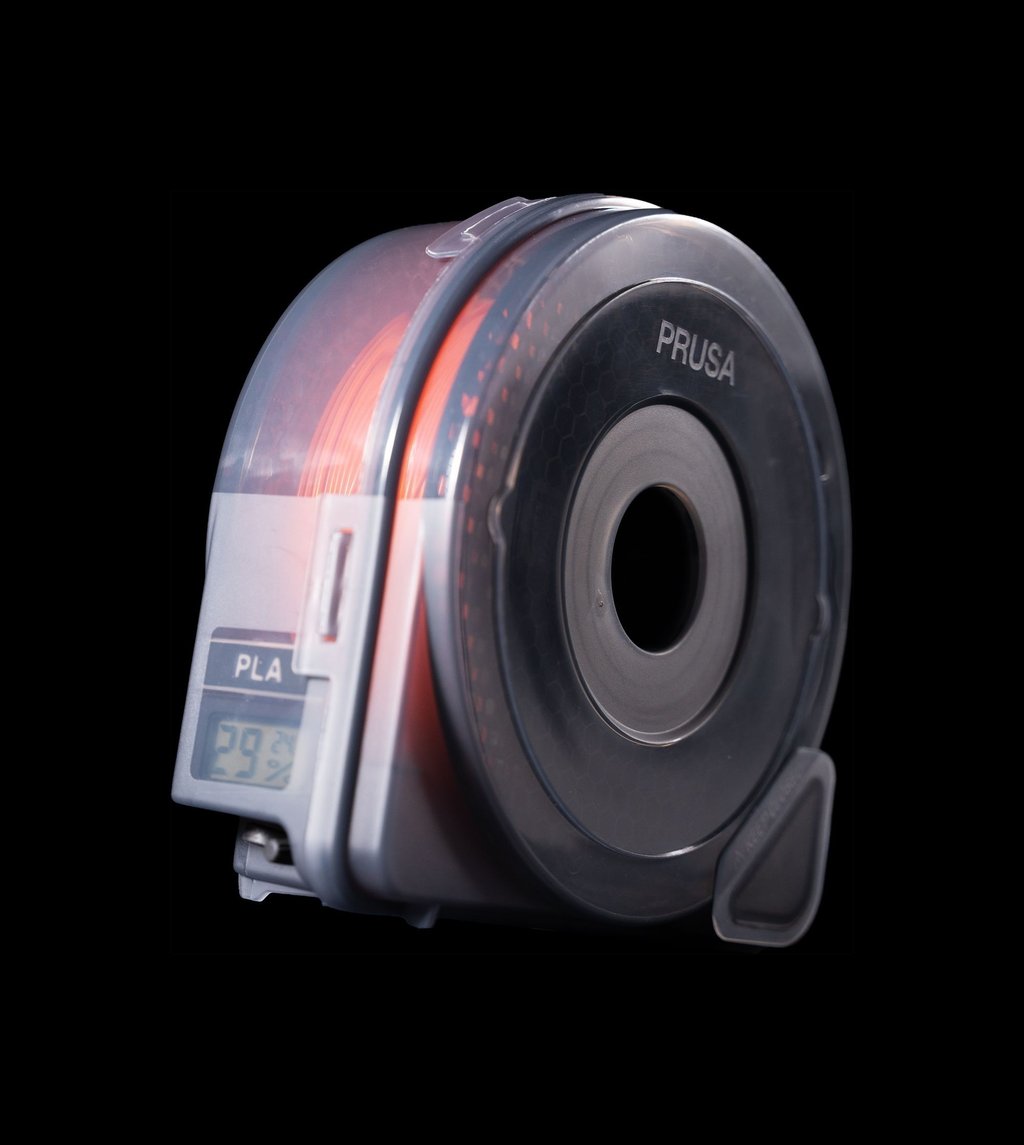
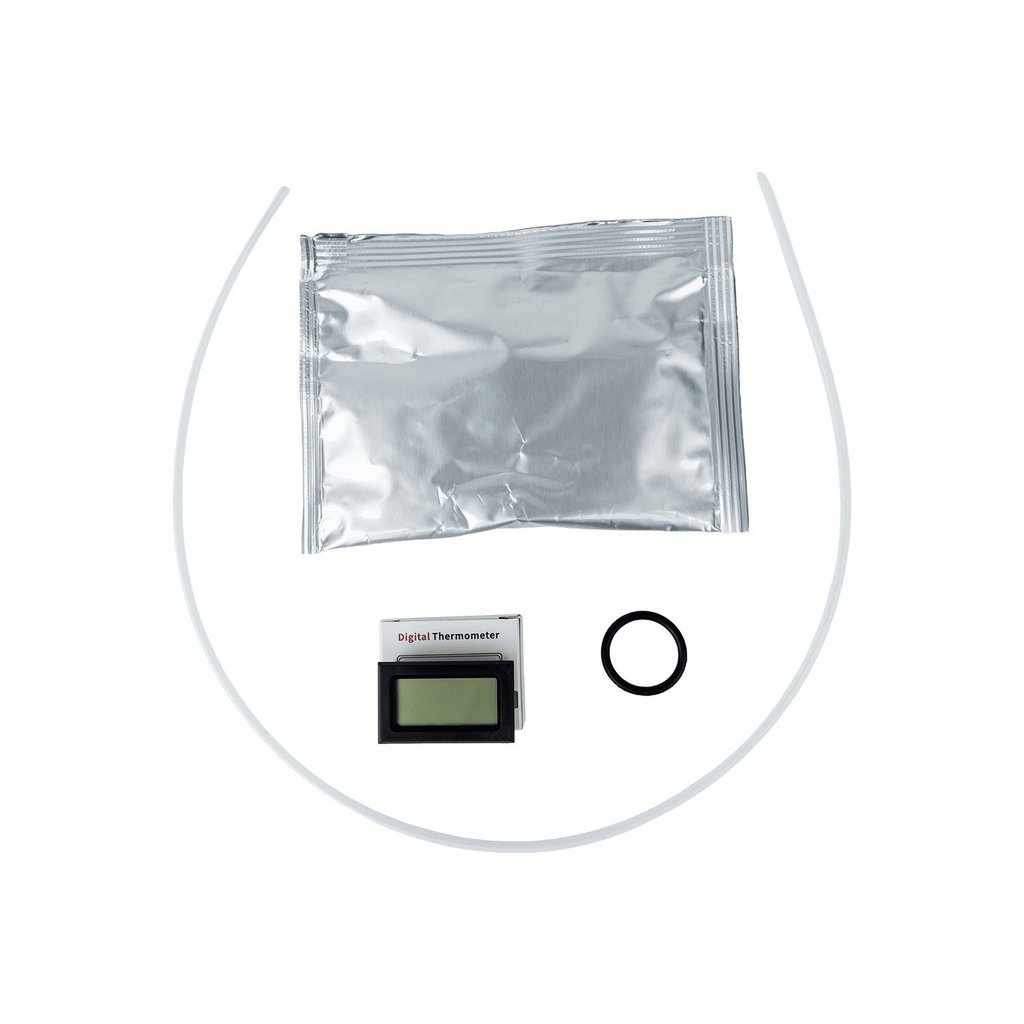
Always know the exact conditions inside. Built-in hygrometer and thermometer for easy monitoring (°C/°F).
Identify your materials easily with included tear-off labels or 3D print your own custom tags, using a template from Printables.com.
Small side covers let you manually rotate the spool or replace silica gel without opening the whole box.
Frequently asked questions about material storage.
The Seller does not verify whether the published reviews come from consumers who have actually used or purchased the products or digital content or service. Reviews are provided by registered PRUSA ACCOUNT users.